How Often Should You Service Your Furnace in Tacoma?

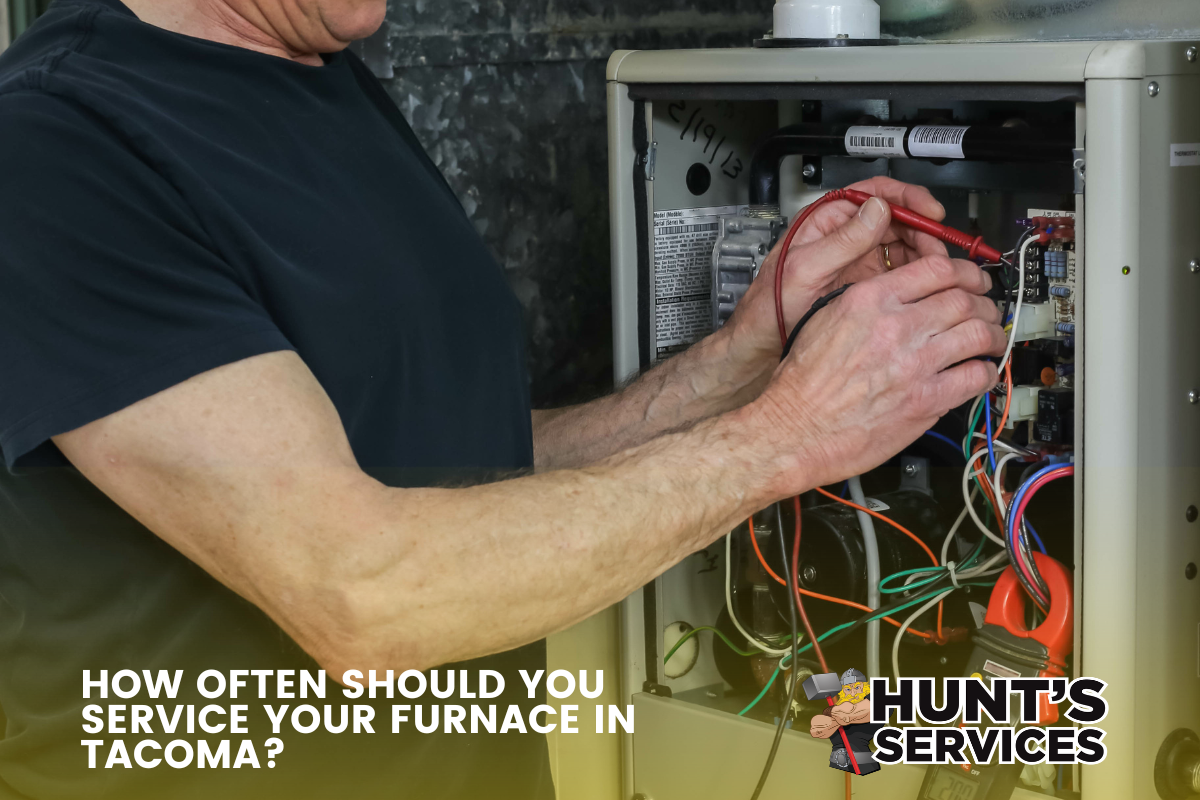
Technician performing furnace maintenance in Tacoma, checking electrical connections and components, with Hunt's Services branding visible.

Why Furnace Maintenance Matters for Tacoma Homeowners

Living in the Pacific Northwest means relying heavily on your furnace through the damp, chilly fall and winter seasons. Tacoma homeowners face unique climate challenges that can strain heating systems if not properly maintained. Furnace breakdowns aren’t just inconvenient—they can be costly and even dangerous.

Studies show that a significant majority of HVAC repair calls are linked to inadequate maintenance. According to the Indoor Air Quality Association, neglecting routine service is a leading cause of system failures. Skipping annual tune-ups means your furnace works harder, wears down faster, and consumes more energy. In fact, an unmaintained system can use up to 25% more energy, according to the U.S. Department of Energy (Energy.gov).

Call Hunt’s Servicesto schedule your furnace inspection before cold weather hits.

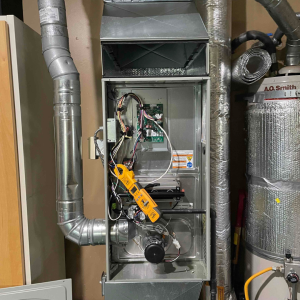
Furnace interior with electrical components and a yellow multimeter, illustrating HVAC maintenance for Tacoma homeowners.
How Often Should You Service Your Furnace?

Industry experts, including the U.S. Department of Energy, recommend servicing your furnace at least once per year. The best time? Early fall, just before your furnace kicks into high gear.

An annual inspection ensures your system is safe, clean, and ready to handle the heating demands of winter. It also helps identify small issues before they escalate into expensive repairs.

Learn more about optimal timing:When to Schedule Your Furnace Tune-Up

Get ahead of winter—book your fall furnace tune-up with Hunt’s Services.

What Happens During a Professional Furnace Service?

A comprehensive furnace tune-up by Hunt’s Services includes:

  • Cleaning and inspecting burners and components
  • Checking for gas leaks or carbon monoxide
  • Testing safety controls and airflow
  • Replacing or cleaning filters
  • Ensuring optimal thermostat function

These checks improve efficiency, extend lifespan, and ensure your family’s safety. According to industry data, regular maintenance may extend a furnace’s lifespan by as much as 50% compared to systems that are neglected (Energy Star).

Explore our detailed inspection process:Furnace Safety Checklist

Ensure your home’s safety—book a Hunt’s Services furnace inspection today.

Signs Your Furnace Needs Immediate Service

Be proactive if you notice:

  • Strange noises (rattling, banging)
  • Uneven heating or weak airflow
  • Frequent cycling on and off
  • Unusually high energy bills
  • A yellow burner flame (should be blue)

These signs can indicate more serious issues that require urgent attention.

For emergency assistance:Fast Furnace Repairs in Tacoma

Notice any of these issues?Contact Hunt’s Services for fast furnace repairs.

The Cost of Skipping Furnace Maintenance

Neglecting routine service can:

  • Void your manufacturer warranty
  • Lead to sudden breakdowns
  • Increase your heating costs

According to the U.S. Department of Energy, neglected systems can use 15–25% more energy. Routine maintenance can save you hundreds in annual utility bills and avoid costly emergencies.

For example, while a seasonal tune-up may cost around $250, replacing a failed furnace could cost upwards of $5,000—depending on system type and installation needs.

More details:Is It Time to Replace Your Furnace?

Avoid costly surprises—keep your furnace running efficiently with Hunt’s Services.

Is It Time to Replace Your Furnace Instead?

If your system is:

  • Over 15 years old
  • Requiring frequent repairs
  • Struggling to heat your home evenly

…it might be time to consider a replacement. Hunt’s Services provides honest assessments and professional replacements backed by years of experience and trusted service.

Learn more:Furnace Replacement Options

Think it’s time for a new furnace?Schedule a consultation with Hunt’s Services.

Why Tacoma Trusts Hunt’s Services for Furnace Maintenance

With a stellar reputation and deep local roots, Hunt’s Services is Tacoma’s go-to HVAC expert. Our licensed professionals deliver trusted service, transparent pricing, and a satisfaction guarantee covering workmanship and service quality.

See our customer reviews:Contact Hunt’s Services

Join thousands of Tacoma homeownerswho trust Hunt’s Services for their furnace needs.

Furnace Blowing Cold Air? Here’s What to Do

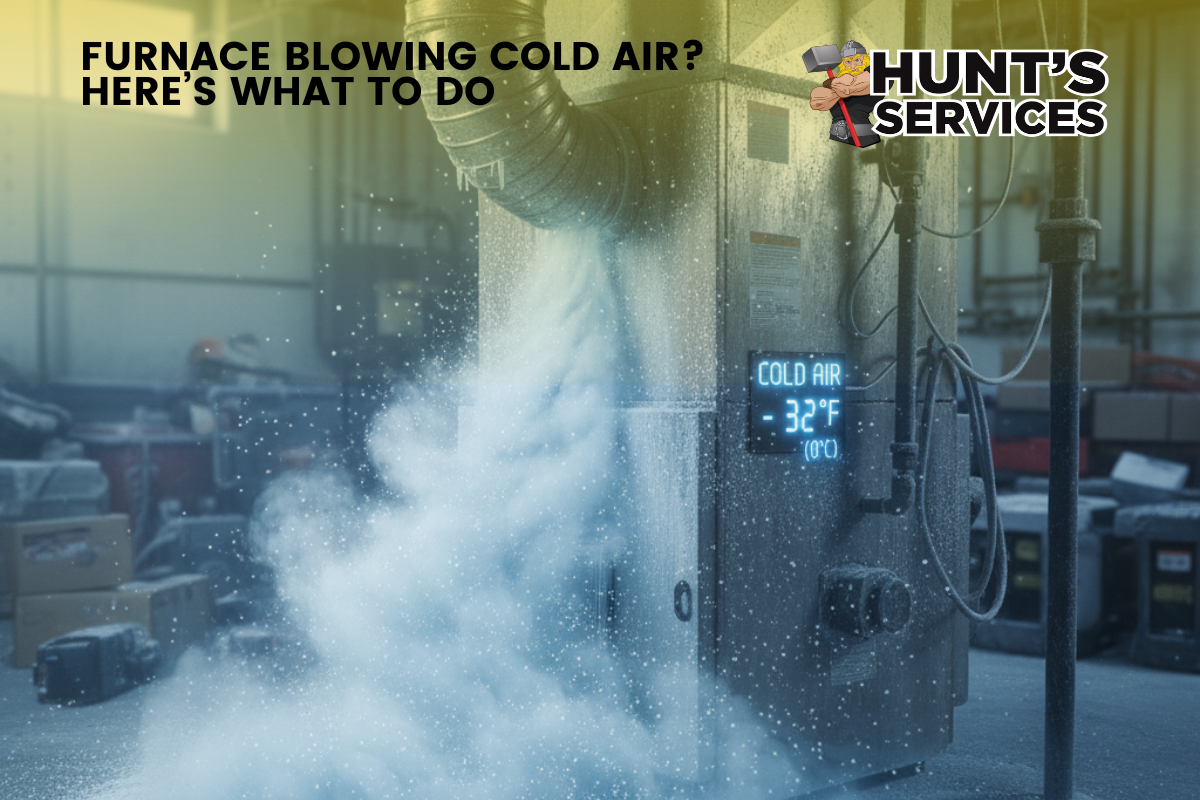
Furnace blowing cold air with digital display showing 32°F, highlighting urgent heating issues; Hunt's Services branding visible.

When your furnace blows cold air in the middle of winter, it’s more than just uncomfortable—it can be dangerous. Heat loss puts your home at risk for frozen pipes, health concerns, and significant inconvenience. But not every heating problem requires an emergency call.

This guide will help you troubleshoot common furnace issues and recognize when it’s time to call Hunt’s Services for urgent furnace repair in Tacoma and the surrounding areas.

Check These 3 Things First

Before assuming the worst, take a few minutes to check these often-overlooked but straightforward furnace fixes:

1. Thermostat Settings & Battery

  • Set to “Heat”:It may sound obvious, but check that your thermostat is set to “Heat” and not just “Fan” or “Cool.”

  • Temperature Setting:Make sure it’s set at least 5 degrees aboveyour current room temperature.

  • Battery Check:If your thermostat is battery-operated, replace the batteries. Low battery power can interfere with furnace communication.

If the thermostat is programmable, review the schedule settings—it might be set to an energy-saving mode that lowers the temperature during certain hours. Also, some smart thermostats have safety lockouts that prevent the furnace from running if there’s a suspected system error.

2. Furnace Filter

A clogged air filtercan restrict airflow so severely that your system overheats and shuts off its burners as a safety measure. If your furnace runs but no warm air comes through, turn it off and inspect the filter. Replace it if it’s dirty—you should do this monthly during the heating season.

Also, consider the filter size and MERV rating. Filters that are too restrictive (high MERV ratings) can reduce airflow. If your system wasn’t designed for those, it can cause operational issues and damage over time.

3. Circuit Breaker

Check your furnace breaker switchin your electrical panel. If it’s tripped, reset it once. If it trips again, this could signal an electrical issue that requires a professional inspection.

A tripped air handlerbreaker may also be the culprit in homes with electric furnaces or heat pumps. Additionally, ensure the power switch near the furnace unithasn’t been accidentally flipped off—it’s often mistaken for a light switch in basements or closets.

Learn more about electrical issues in cold weather

When to Call Hunt’s Services

If basic troubleshooting doesn’t restore your heat, the problem could involve internal components that only a certified technician can diagnose and fix.

1. Blower or Ignitor Failure

  • Blower motor issuesmay prevent heated air from circulating, even if your furnace produces heat.

  • Faulty ignitors or flame sensorscan prevent the burners from staying lit, which results in cold air blowing from your vents.

These are not DIY fixes and often require diagnostic tools to confirm. Attempting to repair these components without proper training can be unsafe.

2. Fast, Professional Repair When You Need It

Hunt’s Services offers fast, same-day furnace repairappointments in Tacoma and surrounding communities. Our licensed HVAC technicians are trained to diagnose and resolve issues efficiently so you’re not left in the cold for long.

Schedule a Service Call
See Hunt’s Customer Reviews
Explore Furnace Repair Services

Additional Troubleshooting Tips

1. Check for Error Codes

Many modern furnaces have a small window showing blinking lights. These error codeshelp technicians diagnose problems. Refer to your furnace manual or take a video to show a technician.

Each manufacturer uses a unique code system—some show one long blink followed by short blinks to signal different errors. Don’t ignore these lights; they offer crucial clues about sensor issues, control board problems, or airflow faults.

2. Examine the Pilot Light (Gas Furnaces)

If you have an older gas furnace with a pilot light, it should burn a steady blue flame. A yellow or flickering flame could indicate a ventilation or combustion problem, a safety concern that should be addressed immediately.

Newer systems have electronic ignition systemsinstead of a standing pilot. If you don’t see a flame, don’t attempt to light it manually unless your owner’s manual specifically allows it and you’re familiar with the process. Otherwise, call a technician.

3. Inspect Vents and Ducts

Make sure vents are open and unblocked. Closed or obstructed vents reduce efficiency and can trigger furnace safety shut-offs. Also check for visible duct leaksin accessible areas like basements or crawl spaces.

Leaky ducts can cause up to 30% of heat loss, especially in older homes. Signs include rooms that never get warm, high energy bills, or dust buildup. A professional duct inspection and sealing can dramatically improve comfort and efficiency.

Learn about duct sealing and cleaning

What Customers Are Saying

“We had no heat during a freezing night and called Hunt’s. They arrived quickly, explained everything clearly, and got our furnace running in no time. So grateful!” – Tiffany L.

“The team at Hunt’s was efficient, respectful, and professional. They fixed a blown ignitor and even helped us join their maintenance plan for long-term peace of mind.” – Carlos B.

“This company really came through when our furnace failed. Prompt response, reasonable pricing, and excellent service.” – Debra S.

Read morecustomer reviewsand see why Hunt’s Services is the trusted choice for furnace repairs across the South Sound region.

Don’t Freeze – Fix It Fast

Cold air from your furnace can have simple fixes or indicate a more serious mechanical failure. Always check your thermostat, air filter, and circuit breaker first. But if your system still isn’t heating, don’t wait.

The experts at Hunt’s Services are here to help Tacoma-area homeowners stay warm and safe all winter long with fast, professional repairs.

Call for Furnace Repair
Join the Hunt’s Care Club for Maintenance Savings

FAQs

1. Why is my furnace blowing cold air but the thermostat is set correctly?

This often indicates a dirty filter, ignitor problem, or faulty flame sensor. Check basic settings, then call a technician for inspection.

2. Can a dirty air filter cause cold air from the furnace?

Yes. A clogged filter can lead to overheating and safety shutdowns that result in cold air blowing through your vents.

3. When should I call for emergency furnace repair?

Call if you’re without heat during a freeze, hear unusual noises, or suspect an electrical or gas issue. While Hunt’s doesn’t offer 24/7 service, we provide prompt scheduling and same-day repairs when possible.

4. How can I prevent furnace failures in the future?

Regular maintenance, such as filter changes, seasonal tune-ups, and membership in a care plan like Hunt’s Care Club, significantly reduces breakdown risks.

Heat Pump vs. Furnace – Which is Best for Your Home?

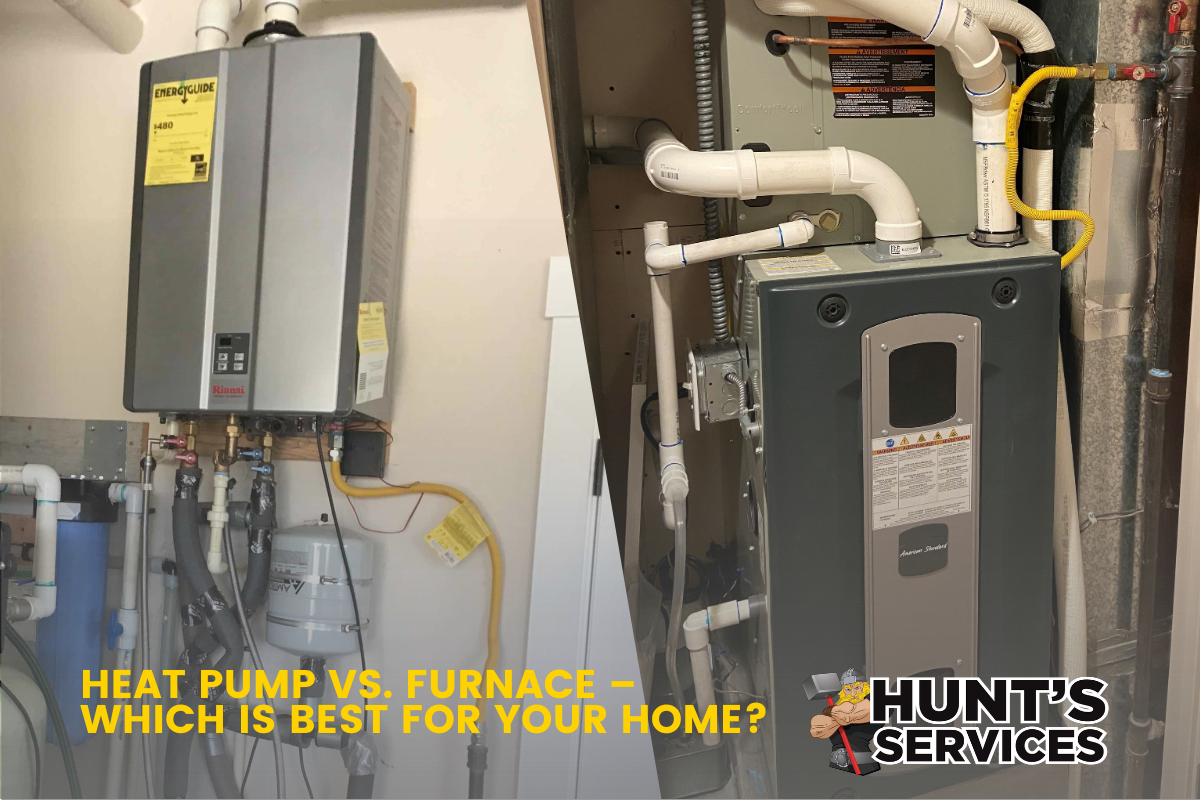
Heat pump and furnace side-by-side comparison in a home HVAC system, featuring visible plumbing and installation details, with "HEAT PUMP VS. FURNACE – WHICH IS BEST FOR YOUR HOME?" text overlay and Hunt's Services logo.

If you’re building a new home or replacing an aging HVAC system, one of your most significant decisions is using a heat pump or a furnace. The right choice depends on your local climate, energy efficiency goals, and overall budget.

This guide compares each system’s cost, efficiency, and pros and cons to help Tacoma-area homeowners make an informed decision.

Comparing Cost & Efficiency

Upfront & Operating Costs

Furnacestypically have a lower upfront cost. Depending on the fuel source (natural gas, electric, or propane), the installation cost for a basic furnace system in Tacoma can range from $3,000 to $6,000. Furnaces are also simple to maintain, keeping long-term servicing costs relatively low.

On the other hand, heat pumps have a higher upfront installation cost—usually $4,000 to $10,000, depending on the system type (ducted vs. ductless) and home size. However, heat pumps provide heating and cooling, eliminating the need for a separate air conditioner, potentially offsetting some of the installation expense.

Heat pumps are significantly more energy efficient in terms of operating cost, especially in milder temperatures. According to the U.S. Department of Energy, homeowners switching to heat pumps from older gas or electric furnaces can save up to 50%on their heating bills.

Explore local furnace efficiency standards

Energy Usage by Climate

Your geographic locationmatters most here. Heat pumps perform well year-round in moderate climates like Tacoma, where winters are cold but not extreme. They’re exceptionally efficient when temperatures hover above freezing during spring and fall.

However, furnaces maintain an edge in regions that experience long, deep freezes. Gas furnaces can consistently produce high heat output, even in subzero temperatures, while standard heat pumps become less efficient.

That said, modern cold-climate heat pumpscan now operate effectively in temperatures as low as -5°F, making them viable even in colder areas—especially when paired with a backup heating source.

Pros and Cons of Each System

Pros of Heat Pumps

  • Dual function: Offers both heating and air conditioning
  • High energy efficiency: Uses electricity to transfer heat rather than generate it
  • Lower carbon emissions: Especially when paired with clean electricity
  • Incentives: May qualify for federal tax credits and local rebates
  • Even heat distribution: Avoids hot and cold spots common with forced air

Learn about ductless mini-split systems

Cons of Heat Pumps

  • Higher upfront cost
  • May struggle in extreme cold (unless it’s a cold-climate model)
  • Can require electrical upgrades if switching from gas

Pros of Furnaces

  • Lower initial cost
  • Quick, powerful heat output– ideal for cold snaps
  • Familiar technology: Widely available parts and service providers
  • Works well with existing ductwork

Schedule furnace repairs in Tacoma

Cons of Furnaces

  • Requires a separate AC system for cooling
  • Less energy efficient (especially older gas models)
  • More greenhouse gas emissions (in gas-powered units)
  • Can dry out indoor air

Key Decision Factors: Which Should You Choose?

Here’s a side-by-side comparison to make the choice easier:

FeatureHeat PumpFurnace
Initial Installation CostHigherLower
Heating EfficiencyHigh (especially in mild climates)High in cold climates
Cooling CapabilityYes (built-in)No (requires separate AC unit)
Environmental ImpactLower (especially electric models)Higher (especially gas models)
Maintenance NeedsSeasonal service recommendedSeasonal service recommended
Incentives AvailableYes (federal/state rebates)Fewer incentives available

Tacoma-Specific Rebates and Incentives

Washington residents may qualify for several rebates when installing high-efficiency HVAC systems:

  • Federal Inflation Reduction Actincentives for ENERGY STAR-certified heat pumps

  • Puget Sound Energy (PSE)rebates for heat pump conversions and ductless mini-split installations

  • Tacoma Powerrebates for ductless and central heat pumps

Checklocal incentivesor ask a Hunt’s Services technician for details.

Let Hunt’s Help You Choose

Whether you’re drawn to a heat pump’s year-round efficiency or the reliability of a traditional furnace, Hunt’s Services is here to help.

Our licensed HVAC professionals evaluate:

  • Your home’s insulation and ductwork
  • Local Tacoma climate factors
  • Your energy goals and available rebates

We’ll recommend the best-fit system to maximize your comfort and energy savings. We also offer financing optionsand Care Club maintenance plansfor long-term protection.

Contact Hunt’s Services Today
See Our Customer Reviews
Learn About HVAC Installations

FAQs

1. What’s cheaper to run, a furnace or a heat pump?

Heat pumps are cheaper to run in moderate climates like Tacoma due to their higher energy efficiency. They transfer heat rather than generate it, which uses less electricity.

2. Will a heat pump work during freezing weather?

Yes, especially cold-climate-rated heat pumpsoperate efficiently down to -5°F. In icy areas, a backup heat source (like electric resistance coils or a gas furnace) may still be recommended.

3. Can I replace my furnace with a heat pump?

Yes. Many homeowners are switching from gas or electric furnaces to heat pumps. Hunt’s Services can inspect your electrical panel, ductwork, and insulation to determine what upgrades may be needed for a successful transition.

How to Choose the Right Furnace for Your Home in WA

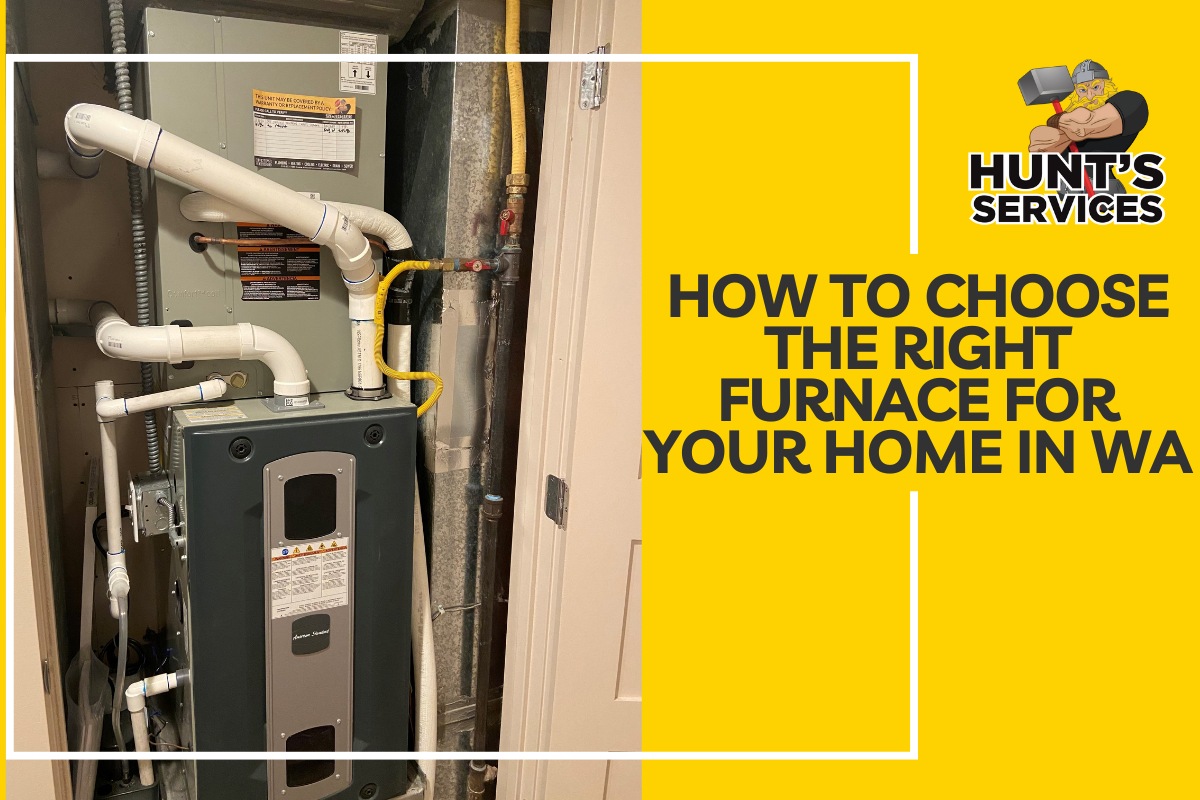
Furnace installation with visible pipes and components, featuring text overlay "How to Choose the Right Furnace for Your Home in WA," relevant to HVAC systems and home heating solutions in Washington.

Why Your Furnace Choice Matters

Choosing the right furnace is one of the most important decisions a homeowner in Washington can make. Winters in the Puget Sound area bring damp, cold conditions, and your heating system is responsible for keeping your home safe, warm, and energy-efficient. The wrong furnace can leave you with higher bills, uneven comfort, and costly repairs. The right one can save you 15–25% on energy costs, provide reliable heat for decades, and improve indoor air quality.

At Hunt’s Services, we’ve helped thousands of homeowners in Tacoma, Seattle, and surrounding areas upgrade to furnaces that perfectly fit their homes. In this guide, we’ll walk you through everything you need to know about choosing a stove, so you can feel confident before winter arrives.

Furnace safety inspection checklist highlighting key factors for selecting the best furnace type, including fuel type, home size, insulation, and climate considerations, with Hunt's Services branding.

Key Factors to Consider

When it comes to selecting the best furnace type for your home, four main factors should guide your decision:

1. Fuel Type

  • Natural Gas:Most common in Washington. Reliable, efficient, and typically the most cost-effective to operate. 
  • Electric Furnaces:Easier to install, lower upfront cost, but higher energy bills.
  • Oil or Propane:In rural areas without gas lines, the cost of fuel delivery can be higher. 

2. Home Size and Layout

A furnace should be sized to match your square footage and floor plan. Undersized units struggle to keep up, while oversized ones cycle on and off too often, wasting energy.

3. Insulation and Ductwork

Even the best furnace cannot overcome poor insulation. Seal drafts, upgrade attic insulation, and ensure ducts are sealed and clean before installing a new unit.

4. Climate Considerations

Here in the Pacific Northwest, we require heating systems that can withstand the region’s long, wet winters. Gas furnaces with high efficiency ratings are often the best fit.

Efficiency Ratings Explained

Furnace efficiency is measured by AFUE (Annual Fuel Utilization Efficiency). This number indicates the percentage of your fuel that is converted into usable heat.

  • 80% AFUE:Standard efficiency. Wastes about 20% of fuel through exhaust.
  • 90–98% AFUE:High efficiency. Virtually all the fuel is converted into heat. 

Cost vs. Value

While high-efficiency furnaces cost more upfront, they often pay for themselves through lower utility billswithin a few years. According to the Department of Energy, homeowners can reduce their heating costs by 15–25% with energy efficiency upgrades.

If you plan to stay in your home for more than five years, investing in a high-efficiency model almost always makes financial sense.

Learn more about ourfurnace replacement services.

Sizing: Bigger is Not Better

One of the most common mistakes homeowners make is assuming a larger furnace will heat their home more effectively. In reality, an oversized furnace:

  • Cycles on and off too often
  • Creates uneven temperatures
  • Shortens equipment lifespan
  • Wastes energy 

The right approach is to have a professional perform a Manual J Load Calculation, which takes into account factors such as square footage, insulation levels, window types, and other relevant details. At Hunt’s Services, we complete this calculation for every furnace installation to guarantee your system is sized correctly.

Smart Features and Add-Ons

Modern furnaces are not just about heat; they are also about comfort and convenience. Consider these features:

  • Variable-speed blowers:Provide consistent, quiet airflow.
  • Zoned heating systems:Control temperatures in different areas of the home.
  • Smart thermostats:Learn your patterns and maximize energy savings.

Air purification systems:Improve indoor air quality and reduce allergens.

Professional Recommendations Matter

Choosing a furnace is not a DIY decision, even with the proper research. Local codes, safety requirements, and ductwork conditions all play a role.

When you work with Hunt’s Services, you get:

  • Licensed, trained, and background-checked technicians
  • Flat-rate pricing with no hidden fees
  • Recommendations tailored to your home’s unique needs

Ourfurnace repair expertsare also available to maintain your new system so it runs at peak performance year after year.

Conclusion: Warmth, Savings, and Peace of Mind

Choosing the right furnace is about more than just heat. It’s about energy savings, long-term value, and protecting your family’s comfort during Washington’s coldest months.

If you’re ready to upgrade your furnace, schedule your free in-home consultation with Hunt’s Servicestoday. We’ll help you find the best furnace type, ensure it’s appropriately sized, and install it to the highest standards.

Ask about joining theHunt’s Care Clubfor year-round maintenance, priority service, and exclusive discounts.

Frequently Asked Questions

1. What is the most energy-efficient furnace for Washington homes?

High-efficiency natural gas furnaces with AFUE ratings of 90–98% are usually the best fit for our damp Pacific Northwest winters.

2. How long should a furnace last?

A well-maintained furnace lasts 15–20 years. Regular maintenance can extend its lifespan by several years.

3. How do I know if my current furnace is too small or too big?

Signs of improper sizing include rooms that are too hot or cold, frequent cycling on and off, and unusually high utility bills. A load calculation by a licensed HVAC contractor will confirm the right size for your home.

Furnace Safety Inspection Checklist for Seattle & Tacoma Homeowners

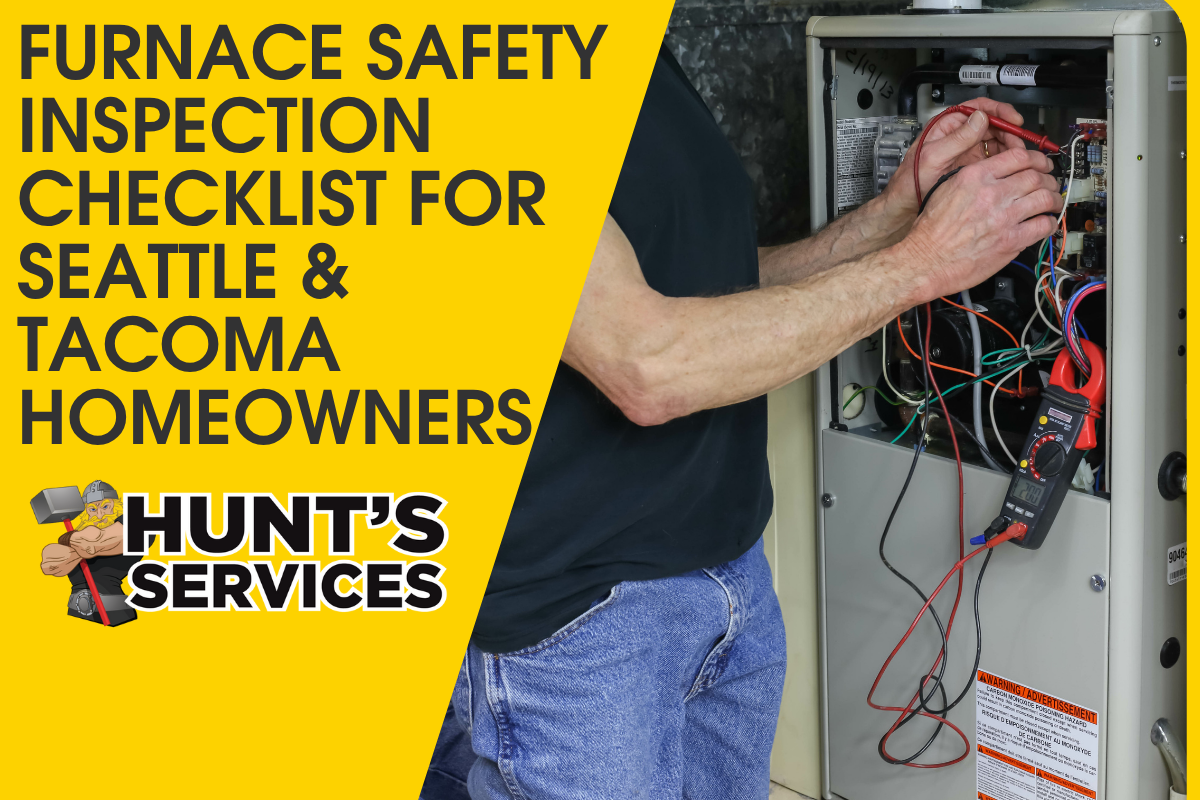
Furnace safety inspection checklist for Seattle and Tacoma homeowners, featuring a technician working on a furnace with multimeter and colorful wires, Hunt's Services branding.

Winter in the Pacific Northwest means chilly nights, cozy gatherings—and the need for a reliable heating system. But before you turn up the thermostat, ensuring your furnace is running safely and efficiently is critical. At Hunt’s Services, we’ve created this expert furnace safety inspection checklistto help you avoid costly breakdowns, hazardous conditions, and wintertime discomfort.

Why Furnace Safety Is Non-Negotiable

A faulty furnace isn’t just an inconvenience—it can be dangerous. Carbon monoxide (CO) poisoning is a silent killer, often from cracked heat exchangers or poor ventilation. Each year, over 400 Americans die from accidental CO poisoning, and nearly 50,000 end up in emergency rooms, often due to malfunctioning furnaces.

Other risks include:

  • Fire hazardsfrom dirty burners or flammable buildup
  • Sudden breakdownsduring cold snaps
  • Escalating utility billsfrom inefficient operation

This checklist ensures your home remains safe, warm, and energy-efficient all winter.

Why Furnace Inspections Matter

Routine furnace maintenance is essential—not optional.

  • Approximately 85% of HVAC repair calls are attributed toa lack of regular maintenance.
  • An unmaintained furnace may use up to 25% more energy.
  • Regular inspections can reduce the risk of emergency repairs by up to 95%.
  • Neglecting your HVAC system can shorten its lifespan by up to 50%.

Proactive inspections protect your budget, extend the life of your furnace, and—most importantly—safeguard your family.

Furnace safety inspection checklist by Hunt's Services, detailing key maintenance steps: thermostat functionality, heat exchanger inspection, carbon monoxide testing, air filter replacement, blower and motor evaluation, burner inspection, gas line and ignition check, and exhaust & ventilation assessment.

Complete Furnace Safety Inspection Checklist

Before you crank up the heat, make sure these steps are checked off:

Thermostat Functionality

Ensure your thermostat communicates correctly with the furnace and cycles on and off at the proper settings.

Heat Exchanger Inspection

A cracked heat exchanger can leak carbon monoxide. A licensed HVAC technician should always perform this inspection.

Carbon Monoxide Testing

Install CO detectors and test for potential leaks around your furnace and ventilation.

Air Filter Replacement

Dirty filters reduce airflow, strain your system, and spread dust throughout your home. Replace filters every 1–3 months.

Blower & Motor Evaluation

The blower distributes heat throughout your home. Clean, lubricate, and check for wear to prevent breakdowns.

Burner Inspection & Cleaning

Dust and debris buildup can affect ignition and flame quality. Cleaning ensures efficient combustion.

Gas Line & Ignition Check

Verify that your gas lines and ignition system are not leaking or malfunctioning. This is a significant safety item.

Exhaust & Ventilation Assessment

Ensure flue pipes and vents are free from blockages to prevent backdrafts or CO buildup.

Warning Signs to Watch For

Don’t ignore these red flags. If you notice any of the following, call Hunt’s Services immediately:

  • Unusual noiseslike banging or rattling
  • Sootor discoloration around the furnace
  • Short cycling(frequent on-off)
  • Burning smellsor metallic odors

These symptoms may indicate a safety issue or an impending breakdown.

DIY vs. Professional Inspection: Know Your Limits

While you can replace filters or check your thermostat, leave critical inspections to the professionals. DIY attempts on gas lines, burners, or electrical systems can put your home—and life—at risk.

Licensed technicians at Hunt’s Services offer:

  • Certified CO testing
  • Detailed burner and motor diagnostics
  • Full-system safety checks
  • Transparent recommendations (never commission-based)

You can trust our team to be thorough, honest, and fast.

How Often Should You Schedule a Furnace Inspection?

At a minimum, schedule an annual inspection each fall, before the onset of the heavy heating season. This ensures your system is ready to handle the colder months ahead.

For best results, join a maintenance program like theHunt’s Care Club. You’ll get:

  • Priority scheduling
  • Biannual checkups
  • Discounts on repairs
  • Peace of mind all year long

Peace of Mind with Hunt’s Services

Serving Seattle, Tacoma, and surrounding communities, Hunt’s Services is a trusted local name for HVAC safety and comfort. We’re a family-owned, community-focused business, and we’re available for emergencies.

Why homeowners choose us:

  • Transparent, flat-rate pricing
  • Fully licensed and background-checked technicians
  • Hundreds of 5-starcustomer reviews

Looking for more than just a tune-up? We also offer:

Limited-Time Offer: $50 Off Your Furnace Inspection!
Please mention this blog post when booking to receive your discount.

Conclusion: Don’t Wait Until It’s Too Late

Your furnace plays a vital role in keeping your home warm, safe, and energy-efficient. An annual inspection isn’t just smart—it’s essential.

Protect your family. Prevent emergencies. Lower your bills.

Call Hunt’s Services today or book your furnace inspection online in under a minute.

FAQs: Furnace Inspection and Maintenance

How long does a furnace inspection take?

A typical inspection takes about 60 to 90 minutes. If repairs are needed, our technician will provide an estimate before proceeding.

What’s the difference between a tune-up and an inspection?

An inspection checks for safety and function, while a tune-up includes performance enhancements, such as cleaning burners and optimizing airflow. Hunt’s Services consists of both in our Care Club visits.

Can I use space heaters as an alternative to my furnace?

You can—but it’s risky. Space heaters are the leading cause of winter house fires and shouldn’t be used as a primary heat source.