Why More Graham Residents Choose Hunt’s for Heating Services

When Graham homeowners need expert heating services, they turn to a trusted name: Hunt’s Services. From sudden heating system failures to proactive seasonal maintenance, Hunt’s has built a local reputation based on trust, professionalism, and reliable performance. With frigid winters and unpredictable temperature drops in Pierce County, dependable heating is more than a luxury—it’s essential. Hunt’s Services rises to the occasion with fast response times, licensed technicians, and tailored heating solutions that address the specific needs of Graham homes.

In this blog, we’ll explore the core reasons why Hunt’s Services remains the go-to choice for expert heating services in Graham, WA, backed by local experience and an unwavering commitment to customer care.

Local Expertise That Understands Graham’s Climate Challenges

Graham, Washington, experiences damp and chilly winters, with average lows reaching the mid-30s between November and February. The region receives approximately 41 inches of rain annually, often accompanied by freezing temperatures. These unique weather patterns create particular challenges for heating systems in local homes.

That’s where Hunt’s Services excels. With years of experience serving Western Washington communities, Hunt’s knows how to design, repair, and maintain heating systems that meet the environmental demands specific to Graham and Pierce County.

Heating Issues Common in Graham Homes:

  • Frequent cycling from heat pumpsdue to fluctuating winter temps
  • Furnace corrosion or component wearfrom elevated humidity
  • Uneven heatingin multi-level homes or open-concept floor plans
  • Outdated equipmentin older ranch or craftsman-style homes

Because Hunt’s Services works exclusively in this region, they bring practical insight to every service call. They know what problems to anticipate, how local codes may affect installations, and what solutions work best for Graham homeowners.

Learn more about furnace installation and repair

Transparent, Upfront Pricing and Honest Recommendations

Home heating repairs or replacements can feel overwhelming—especially when pricing is unclear or upselling tactics are used. Hunt’s Services takes the guesswork out of heating system decisions by emphasizing clear, honest communication from the first call to the final walkthrough.


What to Expect with Hunt’s:

  • Flat-rate pricingprovided before work begins
  • No hidden fees—you approve everything in advance
  • Straightforward assessmentswith photo evidence and clear explanations
  • Repair-vs-replace guidancebased on efficiency, safety, and cost—not sales quotas

This level of transparency makes Hunt’s a standout among heating service providers. Their technicians don’t earn commissions, so every recommendation is centered around what benefits the homeowner most.

The result? Graham residents know they’re getting advice they can trust and pricing they can plan around.

Licensed Heating Experts You Can Count On—Every Time

Every Hunt’s Services technician is licensed, background-checked, and trained to the highest industry standards. Whether you’re calling for an annual tune-up or a late-night emergency repair, you’ll work with professionals who bring confidence and precision to every job.

Services Delivered by Trained Experts:

  • Furnace installations and retrofits
  • Heat pump service and replacement
  • Thermostat upgrades, including smart devices
  • Ductless mini-split repairs
  • Filter changes and airflow diagnostics
  • Seasonal inspections and energy audits

These services are delivered with the same attention to detail whether it’s a routine service call or an urgent repair. Hunt’s heating specialists undergo continuous training on evolving technologies and safety protocols, ensuring they’re always ready to tackle today’s heating systems with tomorrow’s best practices.

Need emergency service? Hunt’s Services offers 24/7 responseto ensure your family stays safe and warm—even on weekends and holidays.

See the full list of expert heating services

Full-Service Heating Solutions for Every System and Budget

Graham homes are diverse in design and age, which means their heating needs vary widely. Some rely on older gas furnaces, while others use energy-efficient ductless heat pumps or electric heating systems. Hunt’s Services offers comprehensive heating solutions tailored to every setup.

Common Services Hunt’s Provides in Graham:

  • Furnace repair and full system replacement
  • Heat pump inspection and refrigerant recharging
  • Ductless system zoning and maintenance
  • Smart thermostat programming and installation
  • Combustion safety testing
  • Air balancing for consistent comfort

Each service call begins with a thorough diagnostic using industry-grade tools to pinpoint the root cause of performance issues. Whether your goal is lower energy bills, faster heating, or quieter operation, Hunt’s offers customized plans that maximize value and performance.

And because they’re deeply familiar with local energy rebates and Washington State efficiency incentives, Hunt’s can often help you save moneyon upgrades or replacements.

Check out our ductless heating and cooling options

Trusted by Graham Homeowners: Reputation Built on Results

Hunt’s Services is more than a heating contractor—they’re a community partner that Graham residents trust year after year. With hundreds of verified reviews across Google, Facebook, and Better Business Bureau, their reputation reflects a consistent commitment to customer satisfaction.

What Customers Say:

“Hunt’s was the only company that explained our options without pressure. They showed up on time, worked cleanly, and made sure we understood how to maintain our new system. Five stars!”
—L. Ramirez, Graham, WA

“After a cold snap froze our system, Hunt’s came out within hours. They were knowledgeable, respectful, and had our heat back by dinner. I won’t call anyone else again.”
—D. Harper, Graham, WA

With each successful visit, Hunt’s reinforces its local leadership in expert heating services near me. Their technicians don’t just restore warmth—they build long-term customer relationships rooted in reliability and respect.

Why Expert Heating Services Matter More in Graham

Many homeowners wait until something breaks before calling for help. But in climates like Graham’s, preventive care and expert installation make all the difference in comfort, cost, and long-term home health.

Benefits of Professional Heating Services:

  • Improved energy efficiency, lowering monthly bills
  • Consistent indoor temperaturesacross rooms and floors
  • Fewer emergency repairsthrough early detection of issues
  • Better air qualityby addressing leaks, filters, and airflow
  • Longer equipment lifespanwith routine service

Whether your home is a 1960s ranch or a brand-new build, expert heating services from Hunt’s ensure you get the performance you’re paying for—and the peace of mind you deserve.

Call to Action: Schedule Your Heating Service with Hunt’s Today

When it comes to staying warm in Graham, don’t take chances with unproven contractors or unclear pricing. Hunt’s Services delivers expert heating services backed by a promise: to treat every customer’s home with the same care and professionalism they would their own.

Whether you’re dealing with cold spots, rising utility bills, or an aging system, Hunt’s is ready to help.

Contact us now to schedule your expert heating inspection or repair in Graham.
Call or click to book: Schedule Heating Service

FAQs: Heating Services in Graham, WA

What’s the average cost of heating repair in Graham?

Repair costs vary depending on the issue and system type, but Hunt’s offers flat-rate pricing and transparent estimates before any work begins.

Is there a difference between a heat pump and a furnace?

Yes. Furnaces generate heat by burning fuel or using electricity, while heat pumps transfer existing heat using refrigerant. Both have pros and cons depending on your home’s layout and energy use goals

How long does it take to replace a furnace?

Most furnace replacements can be completed within a single day. Hunt’s will evaluate your current system and provide a detailed timeline during your consultation.

Conclusion: Experience the Hunt’s Difference

For homeowners in Graham, heating isn’t just about comfort—it’s about safety, energy efficiency, and peace of mind. That’s why more residents choose Hunt’s Services for expert heating services. With local knowledge, transparent pricing, skilled technicians, and full-service solutions, Hunt’s makes it easy to stay warm all winter long.

Ready to feel the difference that comes with real heating expertise?
Learn More About Our Heating Services
Energy Efficient Upgrades and Incentives Available Before Winter

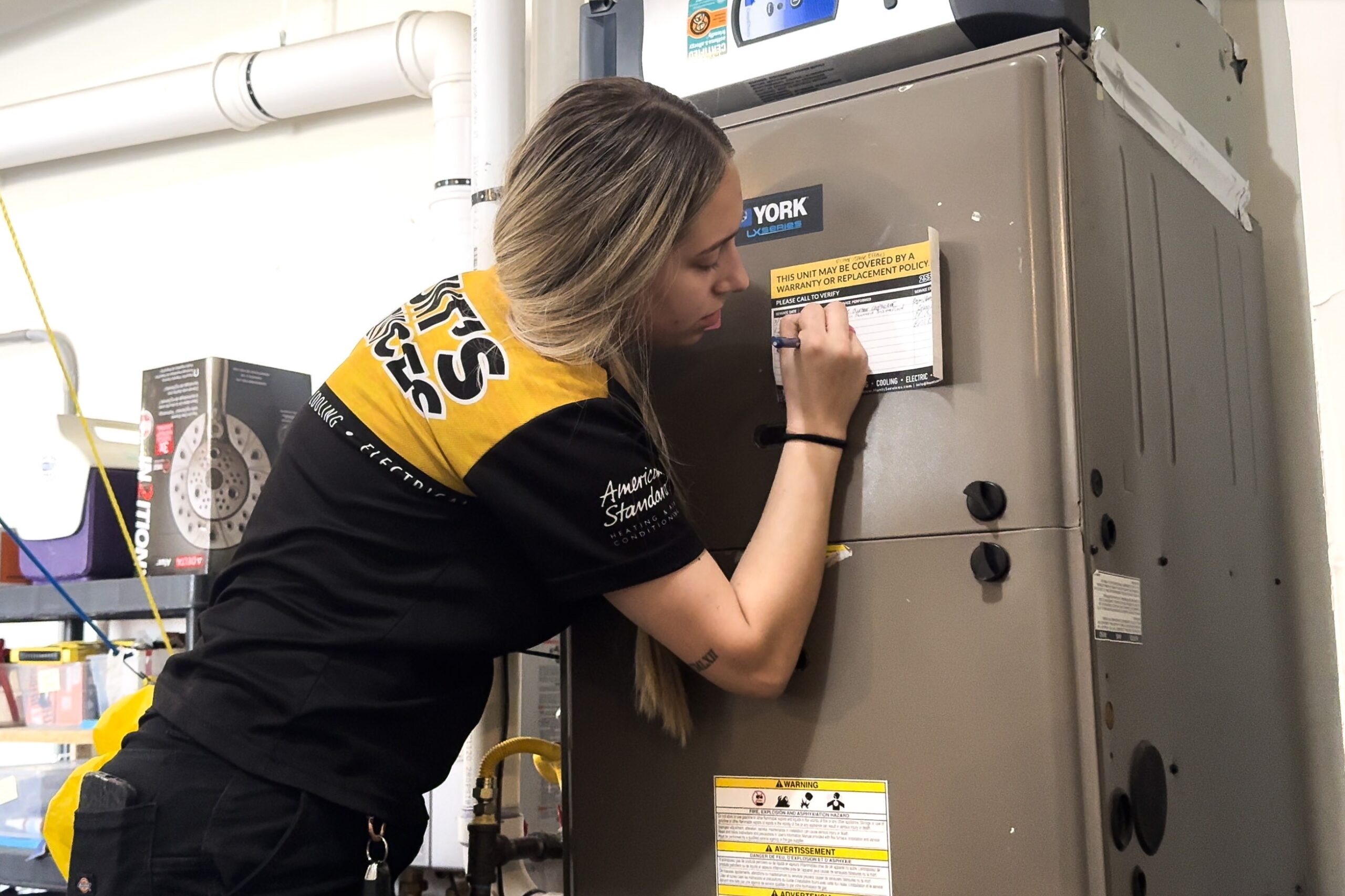
Technician from Hunt's Services writing maintenance details on an AC unit, showcasing professional HVAC repair and inspection services.

As winter gets near, now is the perfect time to prepare your home for the colder months ahead. Making a few energy efficiency upgrades will keep your home or business warm, lower your utility bills, and reduce your carbon footprint.

Energy efficiency is all about making changes to minimize heat loss and energy waste, and simple upgrades can have a considerable impact. Here are some energy-efficient solutions that benefit you and the environment.

Home Energy Assessments

Completing a home energy audit is the first step in creating a more energy-efficient home. This process thoroughly evaluates your home’s energy use, as it identifies areas where you’re wasting energy and provides recommendations for improving efficiency.

During the assessment, a professional will inspect your home to find energy leaks, such as drafts around windows and doors, and evaluate your HVAC system’s overall performance. They’ll also check the quality of your insulation to ensure your home is retaining heat properly.

Getting an energy audit before winter gives you a clear plan on which energy efficiency upgrades will make the most impact. Tacoma Power is currently giving out free home energy assessments to homeowners who qualify for the Home Energy and Appliance Rebate (HEAR) Program, which covers the cost of energy upgrades for low-income households.

Energy Efficient Home Improvement Credit

The IRS is providing a tax credit up to $3,200 if you make qualified energy efficient improvements to your home after Jan. 1, 2023.  The credit equals 30% of certain qualified expenses and you have until 2032 to claim the credit for making your energy efficient home improvements.

Energy efficient home improvements include:

  • Qualified energy efficiency improvements installed during the year
  • Residential energy property expenses
  • Home energy audits

There are limits on the allowable annual credit and on the amount of credit for certain types of qualified expenses. The credit is allowed for qualifying property placed in service on or after Jan. 1, 2023, and before Jan. 1, 2033.

The maximum credit you can claim each year is:

  • $1,200 for energy property costs and certain energy efficient home improvements, with limits on doors ($250 per door and $500 total), windows ($600) and home energy audits ($150)
  • $2,000 per year for qualified heat pumps, biomass stoves or biomass boilers

The credit has no lifetime dollar limit. You can claim the maximum annual credit every year that you make eligible improvements until 2033.

Heat Pump Installations

A heat pump is an energy-efficient system that heats and cools your home through a heat transferring process. In the winter, it pulls heat from the outside air and moves it indoors to warm your space. It reverses the process in the summer, acting like an air conditioner by moving heat out of your home.

Heat pumps use less energy than HVAC systems or boilers because they don’t rely on burning fuel. They’re far more energy-efficient, reducing your utility bills and carbon footprint. While the upfront cost may be higher than conventional systems, the long-term savings in energy costs make it a worthwhile investment.

Hunt’s Services has you covered with professional and affordable heat pump installation services. We offer both ducted and ductless heat pumps, such as mini-split ductless heat pumps, so you can decide what works best for your home or business heating and cooling. But even better yet, you can schedule an appointment with one of our Comfort Specialists for a free assessment of your current HVAC systems to help determine the best options for your needs.

For instance you don’t always need to replace your existing heating and cooling systems, we can repair any deficiencies in your current systems or upgrade only a portion of your systems, such as condenser, thermostat, duct work, or blower in the case of furnace repairs.

Heat pumps are ideal for year-round comfort, heating your home in the winter and cooling it in summer. If your household makes less than 60% of the area median income, you might qualify for the HEAR Program, where Washington’s Climate Commitment Act (CCA) will pay 100% of the costs associated with buying and installing a new electric heat pump or heat pump water heater.

Even if you don’t qualify as a low-income household, Tacoma Power is offering rebates of $1,000 to $2,000 on the purchase and installation of a heat pump. Some families will qualify for a 0% interest deferred loan and a rebate of up to $7,000 on a heat pump installation, as well.

Improve Insulation to Prevent Heat Loss

Insulation improves your home’s energy efficiency because it traps heat inside during the winter, helping maintain a consistent indoor temperature. Without proper insulation, heat escapes through walls, attics, windows, and doors, forcing your heating system to work harder, leading to higher energy bills.

Upgrading insulation in the attic, exterior walls, and around your windows and doors can reduce heat loss. Common insulation materials include fiberglass, spray foam, and cellulose, each offering different levels of effectiveness depending on your needs and budget.

Pierce County’s Weatherization Assistance Program (WAP) is helping residents outside of Tacoma city limits reduce their energy costs by providing weatherization services like improving insulation to minimize heat loss.

Install a Programmable Thermostat

Programmable thermostats make it easy to set specific heating schedules for your home, automatically adjusting the temperature based on your daily routine. This feature means you can program it to heat your home when you’re there and lower the temperature when you’re away or asleep, maximizing energy savings.

For even greater control, you might also consider a smart thermostat, which offers remote access via your smartphone and provides energy monitoring features. This minor upgrade can lead to substantial savings on your energy bills while enhancing your comfort.

Energy-Saving Incentives in Tacoma Seattle Area

It’s a good idea to look into the rebates and incentives Tacoma Power and the Pierce County Weatherization Assistance Program have to offer because they can save you significant money this winter and well into the future.

You’ll also need a participating contractor to handle the job, and Hunt’s Services fit the bill. Call us at 253-533-7500 to learn more and complete your energy efficiency upgrades before winter turns cold. Contact Hunt’s services by phone, email:  info@huntsservices.com or by using our contact form.

12 Questions to Ask to Choose the Right Size Gas Furnace

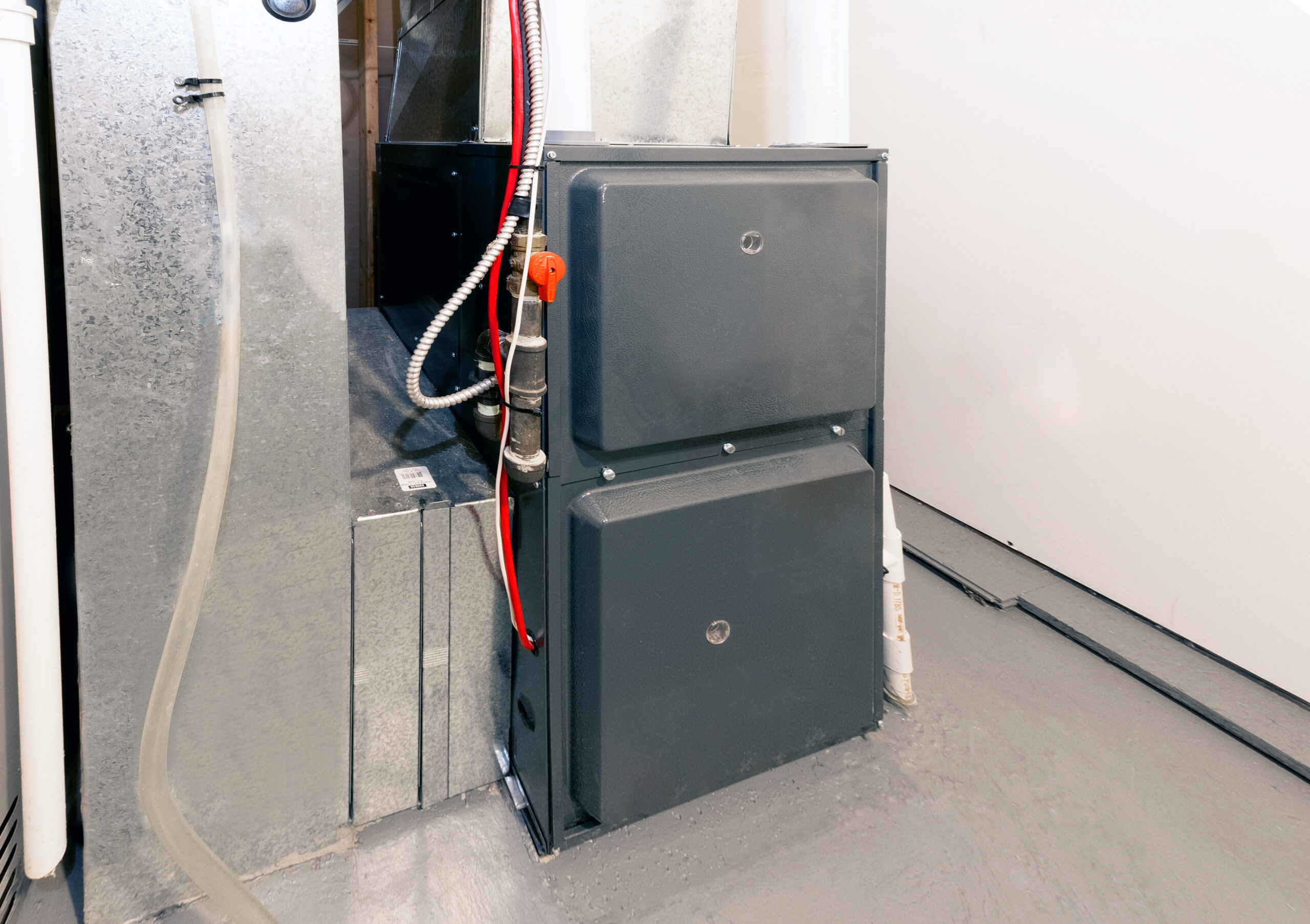
Gas furnace installation in a residential setting, highlighting energy-efficient heating solutions for winter comfort.

Choosing the right size gas furnace for your home matters for several reasons. It not only affects the unit’s ability to heat your home but also your heating bills. The harder it is for the system to heat your home, the higher your energy costs. Fortunately, the easiest way to avoid this problem is to buy the right gas furnace. Let’s explore 12 questions to ask yourself (or a professional) to ensure you choose the right size.

1. How Well Is My Home Insulated?

Your home’s level of insulation greatly matters when selecting the right size gas furnace. Homes with good insulation retain heat more effectively, minimizing stress on the heating system. This is particularly true in homes with well-insulated floors, ceilings and walls. Basing your decision, in part, on your home’s insulation helps ensure you don’t choose a unit that’s too big or too small. Homes with poor insulation will, of course, need a higher-capacity furnace.

2. How Does the Local Climate Affect My Home’s Heating?

Choosing the right size gas furnace for a Washington house requires careful consideration of local climatic trends. This is because temperature is a major factor in heating needs, particularly in colder areas. Furnaces with higher heating capacities work best in regions with extremely cold winters, like Washington. Only homes in the milder coastal parts of the state benefit from furnaces with lower heating capacities.

3. How Many Windows and Doors Does the Home Have?

Choosing the correct size gas furnace also requires careful consideration of the number of windows and doors in the house. One way heat can enter or leave a house is via its doors and windows. The possibility of heat exchange increases as the number of doors and windows in a house increases. To find out how much heat the furnace needs to compensate for any heat losses, it’s important to accurately measure these openings. To maximize energy efficiency and guarantee constant comfort levels, you’ll need to match the furnace with the home’s thermal characteristics.

4. What AFUE Rating Is Best for My Home?

Look at the annual fuel utilization efficiency (AFUE) rating of a gas furnace to choose the appropriate size. An efficient furnace will have a high AFUE because of how well it turns fuel into heat. The higher the rating, the greater the efficiency. Average AFUEs typically vary from 80% to 95% in Washington, a state that places a premium on energy efficiency. Furnaces with higher AFUE ratings improve energy efficiency, save money on utility bills and accommodate the state’s energy-conscious climate.

5. What Is the Local Energy Cost?

Before you buy a gas furnace, it’s important to calculate the cost of energy in your area. Homeowners in areas where energy prices are higher save money on utility bills by upgrading to furnaces that use less energy. Where energy prices are lower, finding the sweet spot between initial investment and return on investment may become more important. In Washington, the average homeowner spends about $80 on natural gas each month.

6. Does the Gas System Need to Provide Cooling?

You can get warmth and cooling from certain gas heating systems, such as gas furnaces with air conditioners. Optimal indoor temperature management is a year-round benefit of these systems. Any homeowner looking to purchase a gas furnace should take their heating and cooling demands into account when making their selection. This heating and cooling system is multipurpose and all-inclusive. However, it’s important to have the right size to get the best performance, energy economy and comfort. A larger gas furnace is not always required to provide cooling; in fact, it is fairly uncommon for smaller gas furnaces to work in tandem with larger HVAC systems. The heating and cooling demands are what ultimately dictate the size of the HVAC system the most.

7. Do I Have Any Remodeling Plans?

Before buying a gas furnace, it’s important to think about any renovations that may be in the works. A home’s heating needs will alter because of changes to the floor plan, square footage or insulation. By planning ahead for these adjustments, you can select a furnace that keeps up with your home’s changing heating demands. This foresight avoids problems like a furnace that isn’t big enough to handle the extra heating needs after renovations. As a result, homeowners save money on furnace replacements and upgrades.

8. How Many Floors Does the Home Have?

Smaller furnaces, usually ranging from 40,000 to 80,000 BTUs, are more suitable for houses with one story. Houses with two stories may need a somewhat bigger furnace—anything from 60,000 to 100,000 BTUs. Furnaces with a capacity of 80,000 to 120,000 BTUs are commonly necessary for three-story residences to distribute heat efficiently throughout all three stories. Properly sizing the furnace to the home’s vertical structure ensures that every level remains consistently heated, leading to maximum performance.

9. How Many People Live in the Home?

Heating a house according to its unique requirements is possible by adjusting the furnace size to the number of residents. Having more people living in the house might mean you need a larger gas furnace to ensure everyone’s comfort.

10. What Condition Is the Ductwork In?

Ducts that are well-kept and airtight increase the heating system’s effectiveness. This guarantees that the furnace efficiently distributes heat. Inefficient or leaking ductwork allows heat to escape, which in turn reduces the efficiency of the furnace. As a result, homes with leaky ductwork need higher-capacity gas furnaces to keep up with heating demands. This is why it’s helpful to invest in ductwork repairs. You can improve your home’s heating efficiency, eliminating the need for a higher-capacity furnace.

11. What Is the Ceiling Height Throughout the Home?

Heating a larger volume of air in a home with higher ceilings uses more energy. This is because greater heat dispersion affects the total heating demand in taller rooms. To get the most out of your gas furnace, it’s crucial to think about this while determining its size. If you have tall ceilings, you may need a higher capacity furnace.

12. What Is the Home’s Square Footage?

Choosing the right size gas furnace requires careful consideration of the home’s square footage. A home’s heating requirements are proportional to its square footage. Inefficiency and discomfort will result from a furnace that is too small for the home’s heating needs. Alternatively, if the home is too small for the furnace, it will waste energy by cycling on and off too often. This causes extreme wear and tear and frequent breakdowns, along with higher energy costs.

Homes with around 1,000 square feet need a gas furnace with a capacity of approximately 40,000 to 60,000 BTUs (British Thermal Units). 2,000-square-foot homes require a capacity of around 60,000 to 80,000 BTUs. Larger homes with 3,500 square feet need even higher capacities, ranging from 80,000 to 100,000 BTUs or more.

Hunt’s Services is here to help you select the right size furnace for your home. We also offer a variety of other services to improve indoor comfort. Some of our most popular services include water filtration installation, bathroom plumbing, sewer and drain cleaning, excavation, electrical panel installations and so many more. Contact us now to learn more about choosing the best gas furnace for your Tacoma, WA, home.

Picking the Most Energy-Efficient Heating Option for Your Home

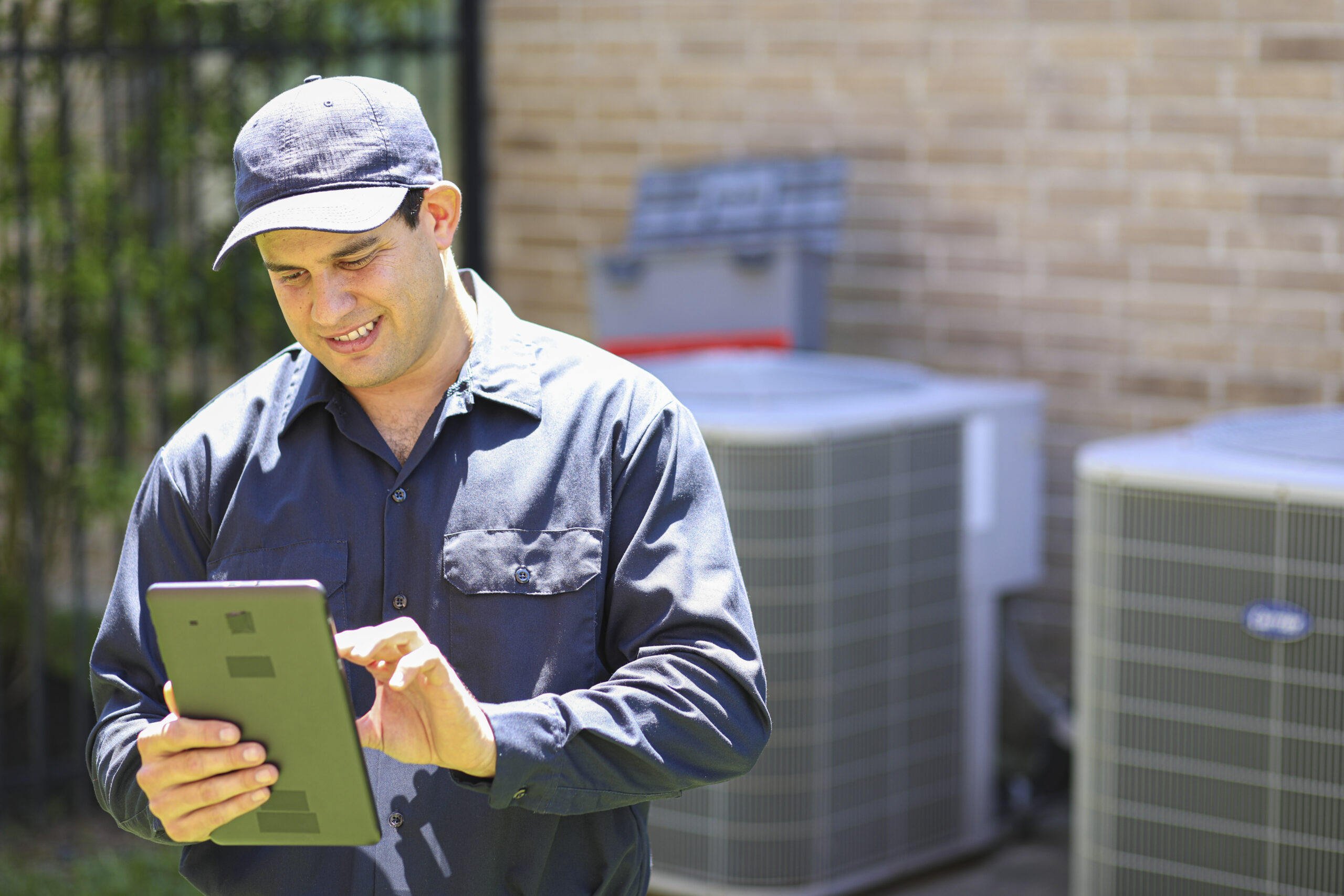
HVAC technician using a tablet outdoors near air conditioning units, emphasizing home maintenance and service efficiency.

Home heating systems use more energy than other systems in your home. These systems make up about 29% of monthly utility bills. You can reduce your home heating costs by picking an energy-efficient heating system combined with proper system maintenance and necessary efficiency home upgrades. Energy-efficient systems coupled with air sealing, necessary insulation, and the right thermostat settings will save money and reduce your carbon footprint. Consider any of these six options if you’re looking for an energy-efficient home heating option.

Active Solar Heating

An active solar heater heats liquid or air using solar energy. The heated fluid transfers the heat into your home, where it heats the space or is stored for later use. Liquid-based solar heaters use water or antifreeze to absorb solar heat. The liquid then moves through a collector with the aid of a circulating pump to heat the home. The liquid goes to a heat exchanger, where it instantly heats the home or to a storage tank for later use.

Air room heaters, on the other hand, use an airtight metal frame with a dark metal plate. The plate absorbs solar energy to heat the air inside the collector. The heat then circulates in the room via a blower or electric fan. You may need an auxiliary system if the active solar heater does not provide sufficient heating in your home.

Furnaces and Boilers

Most homeowners use furnaces and boilers to heat their spaces. Boilers heat water, which flows through pipes as steam or hot water to heat spaces. On the other hand, furniture heat air that flows through ducts to heat a home. Modern furnaces and boilers have a high-efficiency rating, making them cost-effective ways of heating a home.

Furnace and boiler manufacturers use annual fuel utilization efficiency (AFUE) ratings to show how efficient their systems are. The AFUE rating shows how effectively an appliance converts fuel to heat. If an appliance has an AFUE rating of 90%, it means that 90% of the energy from the fuel converts to heat while 10% escapes. Aim for systems with a high AFUE rating, such as all-electric furnaces that convert 100% of their energy to heat.

You can find gas and electric furnaces. Which type to choose may depend on your home and your region. Many modern electric furnaces have advanced technology that enhances their energy efficiency. Gas furnaces can be quite energy efficient, but they come with risks as they rely on burning fossil fuels. Natural gas or carbon monoxide buildup can happen with systems that are not properly installed or maintained. Plus, not all areas have municipal gas lines readily available, so gas furnaces are not always an option.

For boilers, opt for radiant heating. Radiant heating is more efficient than baseboard and forced-air heating as it eliminates duct losses. The radiant heating system is ideal for people with allergies as it does not distribute allergens like systems that use air fans. A homeowner can use radiant air floors, electric radiant floors, hot water radiant floors, or radiant panels placed on walls. Air radiant heating is less energy efficient as air holds less heat. Hydronic radiant heating, where hot water from the boiler passes through pipes to heat a floor, is more effective.

Modern Wood and Pellet Heating

Modern wood and pellet-burning appliances offer cleaner, more efficient, and powerful home heating systems. These are ideal for heating average-sized homes. Pellet heating systems burn pellets that are about an inch long or smaller.

To ensure the efficiency of wood and pellet heating systems, you need to pick the right size. An oversized system will lead to heat loss as homeowners tend to let the fire slowly smolder to reduce overheating. If the system is undersized, it will not adequately heat your space. Pick a stove rate of 42,000 British Thermal Units (BTU) to heat a 1,300-square-foot home and a 60,000 BTU stove for a 2,000-square-foot home.

Pick a wood-burning appliance certified by the United States Environmental Protection Agency (EPA). The downside with wood and pellet heating systems is that they produce smoke. As such, some municipalities might restrict their use.

Heat Pumps

Instead of burning fossil fuels, heat pumps draw heat from outdoor air, the ground, or water to heat a home. The key to their efficiency is heat transfer vs heat generation. Heat pumps often use the same air ducts as central AC and heaters. During the summer, the heat pump reverses the refrigerant and acts as an air conditioner to make the home comfortable. The air-to-air heat pumps are not ideal for hot water generation.

Air-to-water heat pumps contain several units connected by pipes with refrigerant. The outdoor unit absorbs heat from the outside air. It transfers the heat to the indoor unit, which transmits the heat to a radiator or floor radiant heating system. You can also use the air-to-water heat pumps as a hot water heater.

Further, you can pick ground-source or solar-assisted heat pumps. Ground-source heat pumps draw heat from the ground using sensors. The sensors sit deep in the ground, where the temperatures are relatively higher. However, ground heat pumps require extensive installation work. With a solar-assisted heat pump, you can combine solar panels with heat pumps to heat a home adequately and produce hot water.

Mini-Split Systems

Sometimes, a central, ducted heating system is not practical. This may be true in older homes that don’t have an existing central climate control system. It can also be true for home additions and converted basements, garages, or attics.

A mini-split typically consists of one outdoor unit and one or more indoor air handlers. These are connected through small tubes or pipes that carry wires or refrigerant. The small air handlers are often mounted on a wall and have their own thermostat and sensors. With these systems, you can precisely control the temperature of each room or area of the house. You can enjoy significant energy savings because you can choose to keep areas you don’t use cooler.

Electric Resistance Baseboard or Wall Heating

Electric resistance heaters convert 100% of the incoming energy to heat. If you live in an area with few heating days or need a system to supplement the central heating system, these heaters will be cost-effective. You can also use electric resistance for a home addition where extending the existing central heating system is not practical.

Talk to Heating Experts

Sometimes, a combination of heating sources will ensure adequate heating in your home while ensuring energy efficiency and cost-effectiveness. Hunt’s Services in Tacoma, WA, offers installation, repair, and maintenance of heat pumps, furnaces, and air conditioning systems. We can also help with duct cleaning and indoor air quality solutions. You can turn to us for your plumbing and sewer needs, too.

Installing a new energy-efficient heating system can be an overwhelming experience. Our experts at Hunt’s Services will guide you through Tacoma, WA’s heat pump and furnace types and installation processes. If you need a system that circulates healthy air in your home while reducing utility bills and your carbon footprint, contact Hunt’s Services today.

Benefits of Installing Mini Splits vs. Central HVAC Systems in Homes

Family enjoying comfort of ductless mini split HVAC system in cozy living room, showcasing energy-efficient cooling solution.

Ductless mini split systems have several advantages over traditional central HVAC systems. Both ductless mini split and central, ducted HVAC systems can use a heat pump. Most mini splits use a heat pump, while many central systems use a separate air conditioner and furnace. Either way, mini split equipment typically costs more than replacing conventional HVAC appliances. Keep reading to learn why you might prefer to spend the extra money on a mini split system.

Compact Size

Mini split systems have an elegant, simple design. There is one small outdoor unit and an air handler in each room you want to cool.

The individual air handlers of a mini split system are much smaller than an HVAC air handler that manages the airflow for an entire house. So, there’s no need for a separate utility closet. In addition, the outdoor unit of a mini split is often smaller than for a traditional central system. This gives you greater flexibility in placement.

Easy Installation

The most straightforward installation process requires a technician to install an air handler in each room you want to cool. Typically, the handler is placed high on an interior wall of a room, away from direct sunlight or other heat sources.

After that, the installer drills a hole in an external wall and connects the outdoor compressor/condenser unit to an air handler via electrical and refrigerant lines. If you’re only conditioning the air in one room, that’s all you need to do. Occupants receive a remote-control device to turn the system on and off and set the desired temperature.

A ductless mini split does not require ductwork but can take advantage of previously installed ducts. Your installer can configure the system to use ducts where they exist and individual air handlers in areas without ducts.

Flexible Zoning Options

Homeowners can purchase a system with one air handler, two air handlers, or one that accommodates up to eight air handlers. You can buy additional equipment to heat or cool a home with more than eight rooms. Each room has an air handler with a thermostat and remote control. If you enjoy a cold room at night while other residents like things a bit warmer, that’s not a problem with a mini split. Every room can have a different temperature setting if that’s what you want.

This zoning is also a great benefit if you have a room with a fireplace. When the fire’s warming one room, it won’t affect the temperature settings in the other rooms. Many central HVAC systems have only one thermostat; if that’s close to a heat source, the rest of the home remains cold.

Easy Maintenance

Because of its simplistic design, only a few moving parts need lubricating. Keep the leaves and twigs away from the outside unit, erect a shelter over the top, or place it in a protected area to keep the rare Birmingham snowfall off the top. If that’s not possible, come outside and brush it off during the snowstorm before there is too much accumulation. Replace or clean the air handler filters in each room every one to three months, as needed.

Lower Repair and Maintenance Costs

Even though the mini split is a relatively uncomplicated system, you should have it serviced at least once a year. You want to ensure all the connections are tight and the refrigerant line is intact. The technician will change the outside filter and clean and lubricate the internal components. One expense you don’t have to worry about is duct cleaning and repair.

Energy Efficiency

A mini-split system most often uses a heat pump. Heat pumps do not have separate elements to heat and cool the air. But they don’t actually create heat like a furnace or boiler. Instead, they draw existing heat from the air and transfer it. These closed-loop systems recirculate existing air in the home after conditioning.

In the summer, the cold refrigerant absorbs the heat in the room air, and the cooled air re-enters the room. Meanwhile, the refrigerant flows to the outside unit, transforms into a hot vapor, and releases the stored heat. After that, the refrigerant travels back to the air handler, and the cycle begins again. In the winter, the process reverses at the flip of a switch, and the system extracts radiant heat from the outside air and transfers it to a room’s cooler air.

Further, many mini split configurations allow you to choose the temperature of individual rooms or areas. Rooms you don’t use often can be set to less comfortable temperatures to save energy. As mentioned before, you don’t waste energy heating a room with a fireplace. You may also have areas of the home with more shade than others. You don’t have to use as much energy to heat these areas as you do for areas exposed to full sun.

Flexible Options

If you currently have ducts installed in your home, it’s not likely that you’ll choose to convert to a ductless system. However, as previously mentioned, heat pumps can use the existing ductwork for wires and tubes. Ductless systems have an advantage because no heat escapes while transported through the ductwork, improving the system’s efficiency.

So, what type of environment is best suited for a heat pump? A mini split is a great choice to regulate the temperature in a room added to a home. All you’ll need to do is to purchase a single-zone mini split with one air handler. Maybe you converted a patio into an indoor sunroom or an unheated garage into a bedroom or den. In situations like these, a ductless mini split is a reasonable choice.

Older homes may not have ducts. Perhaps the previous owners had window air conditioners and used electric floor-board heating when the days were cold enough to warrant it. Now, as a new owner, you want to upgrade your HVAC system without spending the time and money to install ductwork. A mini split system might be the perfect choice for you.

Of course, if you are building a new home, you can choose a mini split or a central HVAC system. Do you want the simplicity and multiple zoning opportunities that a mini spit provides, or do you want to install ductwork and a central HVAC system that provides the same cooling and heating throughout the home? There is no right or wrong answer. Choose what’s best for you and the other occupants of the house.

Your Premier Heating and Cooling Choice in Tacoma

At Hunt’s Services, we provide HVAC, plumbing, and electrical services in Tacoma, WA and surrounding areas. We sell a variety of HVAC and indoor air quality products, and we provide duct cleaning and sealing services. We also sell and install generators, dehumidifiers, and water heaters. Contact Hunt’s Services today for all your heating and cooling installation, repair, and maintenance needs in Tacoma and the surrounding areas!