
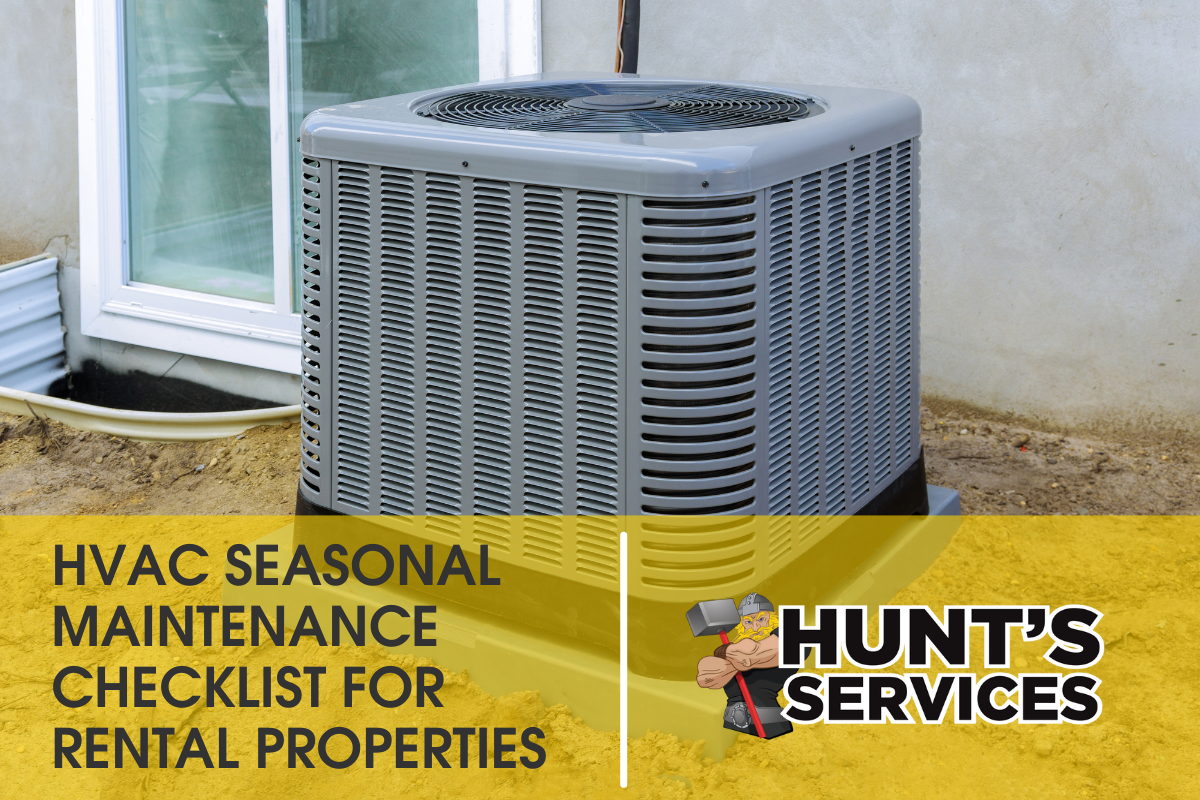
Why HVAC Maintenance is Crucial for Landlords
If you own rental properties in the Tacoma or Seattle area, your HVAC systems are one of the most important assets to protect. Heating and cooling account for nearly half of a household’s energy use, so when equipment breaks down, it impacts both your tenants’ comfort and your bottom line.
Studies show that 85% of HVAC repair calls are due to a lack of maintenance, and neglected systems consume up to 25% more energy. Even worse, ignoring seasonal upkeep can cut equipment life in half. That means a furnace that could last 15 years may only last 7–8 years if it is not serviced.
This translates to higher utility costs, more frequent breakdowns, and expensive replacement bills for landlords. Tenants who experience repeated HVAC failures are more likely to leave, resulting in increased turnover costs. Proactive maintenance protects your investment, improves tenant satisfaction, and enhances tenant retention.
Fall HVAC Checklist for Rental Properties
Fall is the perfect time to prepare heating equipment before the Pacific Northwest’s cold, damp winters set in. Landlords and property managers should ensure the following tasks are completed:
- Replace Filters:Dirty filters strain the system and reduce indoor air quality. Change filters in all rental units every 1–3 months.
- Furnace Inspection:Schedule a professional furnace tune-up to check burners, ignition, and airflow. Minor adjustments now prevent costly mid-winter failures.
- Carbon Monoxide Test:Heating equipment can develop cracks that allow carbon monoxide to leak. A professional safety test ensures protection against this silent, deadly hazard.
Learn more aboutfurnace repairs and maintenance.
Winter Prep for Rental Units
When temperatures drop in Tacoma and Seattle, rental HVAC systems work hardest. Winter prep focuses on efficiency, safety, and emergency readiness:
- Insulate Ductwork and Piping:Insulation helps reduce heat loss and prevents pipes from freezing during severe cold spells.
- Check Thermostats:Verify settings to ensure tenant comfort while minimizing unnecessary energy waste.
- Emergency Contact List:Provide tenants with Hunt’s Services’ emergency line for fast response to breakdowns.
Without proper winterization, heating systems are at higher risk of failure when tenants need them most. Preventive action reduces emergency repair calls and keeps your rental portfolio running smoothly.
Spring HVAC Maintenance for Rental Properties
As the rainy Washington winter comes to an end, landlords should prepare their cooling systems for warmer weather. A spring HVAC checklist includes:
- Air Conditioner Readiness:Have a technician test refrigerant levels, clean condenser coils, and ensure unobstructed airflow.
- Drain Line Checks:Clogged condensate lines can cause water damage—something every landlord wants to avoid.
- Inspect Seals and Ducts:Small air leaks can raise tenant energy bills and strain systems.
Addressing issues early prevents midsummer cooling emergencies and expensive water damage claims.
Summer HVAC Checklist for Rentals
Summer heat in Western Washington may not rival Arizona’s, but an underperforming AC system can still make tenants miserable. Landlords should focus on:
- Thermostat Calibration:Ensure accurate readings to avoid unnecessary energy waste. Smart thermostats are an excellent upgrade for rental efficiency.
- Cooling Efficiency Checks:Inspect refrigerant, fan motors, and ductwork to guarantee reliable cooling.
- Tenant Communication:Remind tenants to use thermostats not to exceed and adequately block vents.
Preventive summer care reduces complaints and ensures your property portfolio maintains a reputation for comfort and reliability.
Benefits of Seasonal HVAC Scheduling
Seasonal HVAC scheduling offers long-term benefits for landlords:
- Cost Savings:Regular service prevents breakdowns that can result in thousands of dollars in costs. A seasonal tune-up often pays for itself in efficiency gains.
- Extended Equipment Life:Well-maintained HVAC systems last up to 50% longer.
- Tenant Retention:Comfortable tenants are happy tenants. Consistent heating and cooling reduce turnover.
- Emergency Avoidance:Routine maintenance cuts the risk of sudden breakdowns by up to 95%.
Landlords with multiple properties, especially those who manage them, benefit significantly from proactive scheduling. Hunt’s Services offers property maintenance packagesthrough ourHunt’s Care Club, which are designed to keep entire rental portfolios on track with seasonal check-ups.
Schedule Your HVAC Maintenance Today!
Avoid the stress of unexpected breakdowns and costly repairs. Hunt’s Services is your trusted partner for property management and HVAC in Tacoma, Seattle, and the surrounding areas.
Ask us today about our Property Maintenance Packages for Rentalsthrough Hunt’s Care Club. We offer priority service, seasonal tune-ups, and emergency support.
- Schedule a service call through ourContact Us page.
- Learn aboutfurnace replacement optionsfor outdated units.
- See why landlords and property managers trust us by checking ourcustomer reviews.
With Hunt’s Services, you can keep your tenants happy, protect your investment, and extend the life of your HVAC systems.
Frequently Asked Questions
- How often should landlords schedule HVAC maintenance for rental units?
At a minimum, landlords should schedule HVAC maintenance twice a year—once in the spring for cooling systems and once in the fall for heating systems. Seasonal tune-ups catch minor issues before they become costly repairs. - Can tenants change HVAC filters themselves?
Yes, tenants can change filters, but landlords should provide clear instructions and reminders. Many property managers include filter replacement in maintenance agreements to ensure consistency. - What happens if I skip seasonal HVAC maintenance?
Skipping maintenance increases the risk of breakdowns, shortens the system’s lifespan, raises tenant complaints, and can result in significantly higher costs for emergency repairs. Studies show that neglected HVAC units can lose up to 50% of their expected service life.