
Five Reasons for Upgrading and Replacing Your Electrical Panel

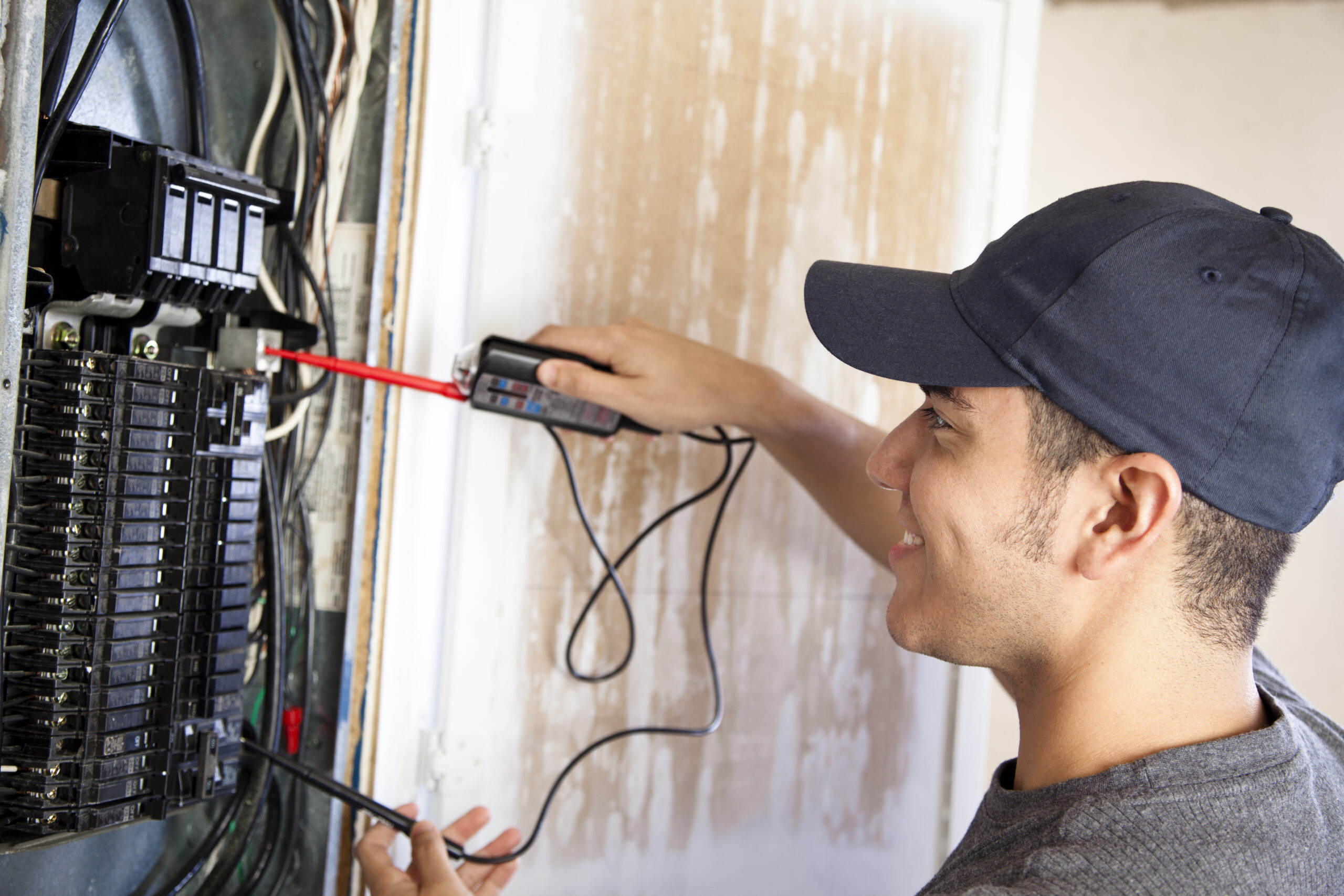
Electrician testing electrical panel with multimeter, emphasizing home electrical safety and efficiency.

Your home’s electrical panel is vital to your electrical system as a whole, distributing power to every corner of your house. While often overlooked, an outdated or malfunctioning panel can lead to significant safety hazards and inefficiencies.

Upgrading or replacing your electrical panel is more than just a maintenance task; it’s an investment in your home’s safety, efficiency, and future readiness.

From enhanced safety to improved energy efficiency, a modern panel can improve your home’s electrical performance and put your mind at ease. Here are five reasons homeowners should upgrade their electrical panels.

1) Improve Safety

Enhanced safety is one of the most critical reasons for replacing your electrical panel. Continuing to use an outdated panel can pose significant safety risks, including fires and shocks.

These older panels may lack modern safety features and fail to handle the electrical demands of today’s households, increasing the likelihood of overheating and electrical faults.

Modern electrical panels have advanced safety features, such as circuit breakers, which automatically shut off the power in case of an overload or short circuit. This feature prevents potential hazards like fires and electrical shocks, protecting your home and family.

Warning signs your electrical panel may be unsafe include frequent tripping of breakers and burning smells. Upgrading to a new panel ensures your home’s electrical system operates safely and efficiently, giving you peace of mind.

2) Maximize Electrical Capacity

Modern homes have more electrical devices and appliances than older electrical panels were designed to handle. Things like high-powered kitchen appliances, advanced home entertainment systems, and EV charging stations increase our reliance on electricity, and older panels might not keep up.

Upgrading your electrical panel allows it to accommodate this higher electrical demand. New panels are built with greater capacity and more circuits, ensuring your home can safely power all your devices without issues. This increased capacity means fewer interruptions and a more reliable power supply.

Upgrading your panel ensures you can run all your devices efficiently and safely, preventing overloads and ensuring your home is ready to handle future electrical needs.

3) Comply with Electrical Codes

Electrical codes are updated regularly to enhance safety and efficiency, reflecting the latest electrical engineering and technology standards. These updates protect homes and occupants from electrical hazards and ensure efficient energy use. However, older electrical panels often do not meet these updated codes, posing potential safety risks and inefficiencies.

Non-compliance with current electrical codes can become a significant issue, especially when selling your home or undergoing inspections. Potential buyers and inspectors look for up-to-date electrical systems that meet the latest standards.

An outdated panel can lead to failed inspections, reducing your home’s market value and complicating the sales process. Some outdated panels that may pose a danger to you are: 1)  Zinsco Panels that were installed primarily in the 1970s that have a serious design flaw. The breaker connection can overheat and melt, rendering the breaker useless in preventing overloads. 2) Federal Pacific Electric (FPE) Panels were installed from the 1950s until the mid 1980s have a high rate of breaker failure. FPE breakers may not trip during an overload, leading to overheating and potential fires. The company is no longer in business and parts are hard to find. and 3) Fuse Boxes predate modern circuit breakers and rely on replaceable fuses to protect against overloading. Fuses can be a fire hazard if replaced with the wrong size or improperly installed. Also, adding more circuits to a fuse box can be difficult and unsafe.

An up-to-date panel indicates your home is well-maintained and equipped with a reliable, modern electrical system, ensuring peace of mind for you and potential future owners.

4) Increase Energy Efficiency

Upgrading your electrical panel can improve your home’s energy efficiency. Newer panels handle the increased demand of contemporary households while distributing electricity more effectively and reliably. The result is less energy waste.

Modern electrical panels also support the integration of energy-efficient appliances and advanced technologies. For example, smart home systems, which optimize energy usage based on real-time data, require an upgraded electrical panel to function correctly.

These enhancements can lead to substantial cost savings on your energy bills. Investing in an upgraded electrical panel is a smart move towards a greener, more cost-effective living space.

5) Prepare for Your Future Needs

Finally, upgrading your electrical panel is a proactive step that prepares your home for future technological advancements and lifestyle changes. As technology evolves, our homes will likely require more power to support new devices and systems, and an upgraded electrical panel will ensure your home is ready for these advancements.

The long-term benefits of having a flexible and scalable electrical system are substantial. An upgraded panel can adapt to your growing electrical needs, whether adding new appliances, enhancing your home’s automation, or increasing your use of renewable energy.

This flexibility saves you from costly and disruptive future upgrades and ensures that your home remains efficient, safe, and up-to-date with the latest technological trends.

Contact Hunt’s Services For Your Electrical Panel Upgrades

Upgrading or replacing your electrical panel ensures your home is safer, more efficient, and ready for the demands of modern living. The technicians at Hunt’s Services can guide you through this process and handle your new panel installations in Seattle, Tacoma, and other locations in Western Washington.

Investing in a new electrical panel improves your home’s electrical system, providing peace of mind and long-term value. Besides panels, Hunt’s Services has licensed electricians that provide the full range of electrical inspection, installation and repair services to Tacoma, Seattle and the rest of Puget Sound.  Call Hunt’s Services at 253-533-7500 to ensure your home can handle today’s requirements and tomorrow’s innovations.
How Does Cold Weather Affect Electrical Wiring in Your Home?

Electrician using a multimeter to check electrical panel connections, ensuring safety and functionality of home wiring systems.

As the temperatures drop and winter sets in, you may notice your home’s electrical system behaving in ways it doesn’t during the rest of the year. While you bundle up against the chill, your wiring is battling the cold, too, facing dangers that can disrupt your power or even cause fires. From contraction and resistance to freezing and corrosion, frigid temperatures put stress on every component. But don’t despair – with proper maintenance and protection, you can keep things flowing safely, even in subzero conditions.

Let’s explore how cold weather can compromise your home’s electronics and what our top-notch electricians can do to help.

Contraction of Materials

Imagine a rubber hose on a summer day – pliable and flexible. Now, picture that same hose, icy and rigid. The same thing happens inside your walls. As temperatures plunge, the plastic and rubber insulation encasing wires contracts and shrinks. This puts stress on connections where wires join boxes, outlets, and other hardware. It’s like a rubber band shrinking down on your finger – tightening to the point of potential breakage. Contraction creates openings for moisture to seep in, grounds to separate, and arcs to spark. Over time, these tiny cracks can worsen wire degradation, increasing your fire risk as systems age. Our electrician’s expert maintenance can catch problems early before major damage occurs.

Increased Electrical Resistance

We all know electricity flows more freely through copper than other materials. But did you know cold makes copper resist harder, too? As wires cool, their molecules slow and spread out, impeding the smooth passage of electric current. This resistance generates excess heat at connection points under load. The self-heating can further weaken wires over the winter in a dangerous feedback loop. An electrician inspecting for “low-resistance” connections helps prevent overheating mishaps from snowy weeks of extra draw on your system. Early detection and tightening treats the root cause before a fire ignites.

Brittle Insulation Breakdown

Even the toughest wire casings aren’t impervious to Old Man Winter’s wrath. PVC protecting cables and NM “romex” rubber coatings become brittle and inflexible in icy grips. The outer sheath designed to be pliable cracks instead. Microsplits expose underlying copper to corrosion from infiltrating moisture. Insulation hairline fractures won’t cause immediate outages but condemn wiring vulnerable to future failures when you need power most. Systematic replacement prevents piecemeal repairs down the line after costly, extensive damage emerges. Let our pros evaluate insulation integrity now to avoid winter hazards.

Reduced Battery Performance

Car batteries are the gold standard for cold-weather struggles, but did you know indoor appliances also suffer in freezing weather? The lead-acid inside maintains a delicate chemical balance that friction from movement keeps charged. But when temperatures plummet, those active metal particles slow to a crawl, draining voltage reserves fast. Critical backup systems like sump pumps, alarms, and internet routers may not kick on until it’s too late without ample stored power. Our experienced electricians can install high-quality batteries rated for extreme cold and test backups regularly so they’re always ready despite the elements.

Diminished Capacity of Capacitors

Similar to batteries, capacitors in electronic devices rely on intimate contact between two different materials to store electric potential. In the deep freeze, molecules spacing out decrease surface area contact, weakening the static “memory” effect capacitors provide to iron out power fluctuations. This stresses circuit boards, power supplies, and sensitive digital components already tasked with more operations to compensate for high energy draw elsewhere in the structure. Replacing outdated capacitors can prevent annoying malfunctions and premature failures in winter. Consult Hunt’s Services for recommended capacitor upgrades tailored to your home’s needs.

Corrosion of Metal Components

As insulation cracks, moisture gets into wires where oxygen and electron flow speeds corrosion. Extreme temperature swings from day to night additionally stress metals, working them at the molecular level. Copper oxidizes, terminals degrade, and aluminum wiring becomes dangerously brittle. Good news – an electrician’s thermographic inspection catches “hot spots” before outbreaks, allowing preemptive treatments. While replacement may ultimately be necessary, temporary solutions like anti-oxidant paste can buy more safe usage time.

Impact on Circuit Breakers

Breakers trip when too many high-wattage devices simultaneously tax the line capacity. In winter, more energy-hungry appliances and heating equipment come online, increasing potential overload. Additionally, breaker tolerances are temperature dependent – rated to function optimally between 30 and 110 degrees Fahrenheit. Outside those parameters, breakers may not open fast enough to prevent serious damage or fire from occurring. Routine testing ensures they trip at the proper amps. Upgrade ancient breaker boxes unable to safely handle peak loads. Let Hunt’s Services investigate your main panel’s winter preparedness.

Potential for Power Outages

When deep cold strikes, utility providers sometimes struggle to keep up with surging demand. Prolonged blackouts due to downed power lines or equipment failures grow more likely as infrastructure ages in freezing climates. Invest in backup solutions like generators connecting to critical circuits automated to run essentials if electricity cuts. Uninterruptible power supply (UPS) batteries similarly offer short-term power bridging during brief lapses. Home upgrades beefing up wiring help prevent cascading failures draining your generator too quickly as well. It’s always important to be prepared for outages, turn to us for our generator services!

Freezing of Water in Conduits

Remember, conduit provides a moisture-proof pathway for wiring runs subject to damp conditions. Except when that insulation cracks or water somehow infiltrates after a rainstorm, the wet inside risks solidifying into solid ice come subzero temperatures. Expanding water expands pipes and conduits from within till they rupture under pressure like popped balloons. The damage spills water directly onto exposed wiring shorting circuits. Proper sealing and drainage away from entry points mitigate this risk. Replace older, cracked pipes to pass critical inspections.

Challenges for Outdoor Wiring

The elements are roughest of all on connection elements left entirely exposed. Wind, blowing snow, driving rain, hail, and temperature cycling literally beat up connectors over time, working them loose. Corrosion eats away unprotected metal parts. Mice or squirrels may chew through insulation to stay warm as well. Make sure yard boxes, swimming pool equipment, hot tubs, and garage/shed lines receive additional protective sealing and rigid conduit covering for resilience against the climate. Schedule inspection and maintenance visits with an outdoor wiring specialist.

While electrical systems face daily stressors, extremely cold temperatures compound the harmful effects through multiple mechanisms. Contraction, increased resistance, moisture intrusion, and more all conspire to degrade wiring integrity over the long term if not properly maintained. Yet with preventative steps like regular inspections and addressing trouble spots before failures occur, you can rest assured your home’s power will be ready to withstand Old Man Winter’s wrath for seasons to come. When issues do arise, expert contractors like Hunt’s Services stand ready to assess conditions and make any necessary repairs to restore safety and comfort through even the chilliest nights.

Trust the Professionals

As a Tacoma area leader in electrical service for years, our licensed electricians understand precisely how frigid conditions threaten each component. Our complete service menu addresses every winter vulnerability with precision testing, repairs, upgrades, and preventative tweaks. Whether inspecting main panels, troubleshooting generator connections, upgrading outdoor boxes, or installing emergency backup systems, our expertise ensures your home enjoys continuous power comfortably through any storm. Take a proactive approach by scheduling electrical services with Hunt’s Services today.

Help! Why Does My Smoke Detector Keep Chirping?

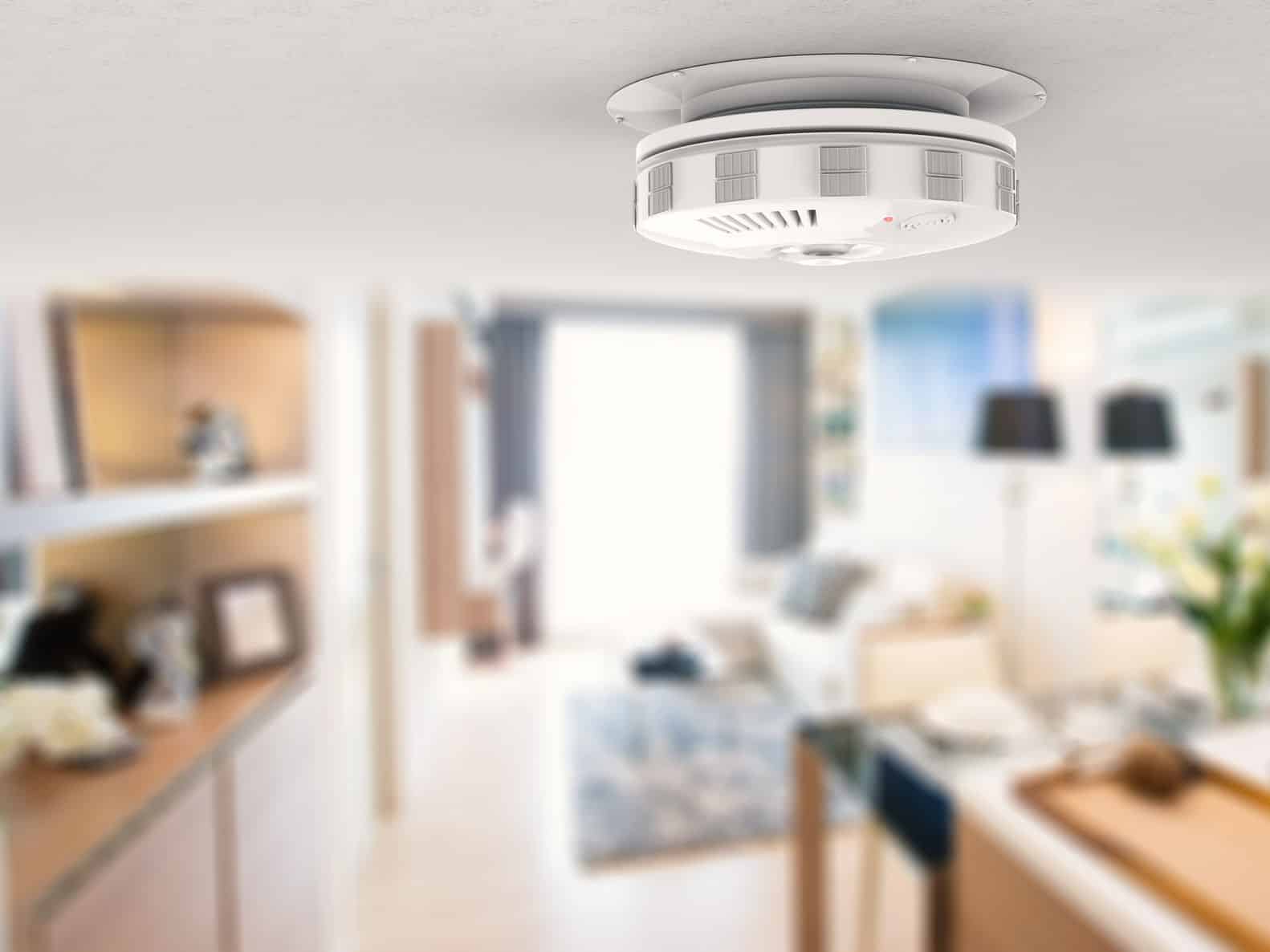
Smoke detector mounted on ceiling in modern living space, emphasizing home safety and maintenance in Tacoma, WA.

Nothing steals the peace from your Tacoma, WA home like the infernal, incessant beeping of a smoke detector. Smoke detector alarms are meant to be annoying. After all, if they blended seamlessly into the background, they wouldn’t compel immediate action. However, when there’s no smoke, no fire, and no reason to exit the building, a smoke detector that talks to you non-stop can prove downright maddening.

The good news is that there’s always a reason why these devices sound their alarms, and there’s always a way to quiet them. Find out what your current problem might be and what you can do to solve it.

It’s Time to Replace the Batteries

Among the most common causes of errant smoke detector noises are dead or dying batteries. Fortunately, low-battery alerts have a distinctly different sound from emergency alarms. When smoke is actually detected, you’ll hear a loud, three-beep pattern played over and over again. When their batteries are low, smoke detectors emit a single, sharp chirp every 30 to 60 seconds.

Although the sound interrupts television programs, halts quiet conversations, and wakes sleeping babies, smoke detectors chirp as a fail-safe measure. Their chirping ensures that you don’t forget to make essential battery replacements. Unfortunately, while their batteries may be low, they have enough juice to pester homeowners for quite a long time. Even standard smoke detectors can send out low-battery alerts every 30 to 60 seconds for at least seven days.

To avoid the hassle of low-battery alerts and harried, hasty battery replacements, inspect your smoke detectors every 30 days, and swap their batteries out every six to 12 months.

How Excess Moisture Affects Your Smoke Detectors

With outdoor humidity levels often ranging between 70% and 90%, you may also have high humidity inside your home. In general, it’s best to keep your indoor humidity between 30% and 50%. If you have a central HVAC system and keep it well maintained, your furnace, air conditioner, or heat pump should handle humidity regulation for you. However, if you have a large household and lots of people are taking hot baths and steamy showers, you might need a little additional support from an integrated, whole-house dehumidifier.

Even many sophisticated smoke detectors cannot distinguish between smoke and steam. To these devices, there’s no discernible difference between moisture particles and smoke particles. If your emergency fire alarm keeps getting triggered by your cooking projects or your post-workout showers, consider cleaning your bathroom exhaust vents and your range hood fan, and use these features consistently.

Take Out Your Smoke Detector’s Pull Tab

Simple, standard smoke detectors are mounted to upper walls or ceilings, and they obtain their power supplies from batteries only. There are also smoke detectors and combination smoke detectors that are hardwired directly into residential electrical systems. If you have a new smoke detector that was recently attached to your home’s electrical power, you’ll have to remove its battery pull tab to activate this device. Until you do, this unit will continue to chirp out alerts, but it won’t issue an alarm if an actual fire occurs.

Buildups of Dirt, Dust, Lint, and Other Debris

Given that many smoke detectors can’t distinguish between overly moist air and smoke, it shouldn’t be surprising that these units can’t distinguish between smoke and dust particulates either. Buildups of dust, dirt, dander, and other airborne debris can trigger the incredibly sensitive sensors in these devices. You can try resolving the problem by gently cleaning the exterior of your smoke detectors. You can also use a clean cotton swab to carefully wipe out the interior of their sensing chambers. However, if the beeping quickly resumes after you’ve tried these measures, it’s probably a good idea to either improve your indoor air quality (IAQ) or replace your smoke detectors.

The Residual Charge Needs to Be Drained

If you responded to a persistent chirping sound and replaced your smoke detector’s battery, there’s still a good chance that this device will continue to go off. Smoke detectors that aren’t hardwired into homes and run solely on battery power always have a small, reserve charge in store. This is what keeps them going for days when issuing low-battery alerts. To stop the annoying sound, you’ll need to open the unit back up, remove its new battery, and press and hold its “TEST” or “RESET” button for at least 30 seconds.

If replacing the battery and resetting the residual charge don’t work, you might have a defective detector on your hands. Smoke detectors typically last between eight and 10 years. If yours is still under warranty, you can ask the manufacturer to replace it at no cost.

You Have a Carbon Monoxide Leak in Your Home

Whether you purchased an existing house that already had smoke detectors installed or you’ve just moved into a new home with hard-wired smoke detectors throughout, it’s important for you and every other member of your household to learn:

  • Where these units are
  • What they’re capable of detecting
  • Which sounds they make
  • What each of their noises means

An increasing number of builders and homeowners are opting to install combination (combi) smoke alarms. These devices detect both smoke and carbon monoxide. Combi alarms take up less space than two separate units, and they’re a lot easier to maintain.

If you have combi detectors in your home, three loud beeps that repeat indicate smoke, and four loud beeps that repeat indicate carbon monoxide (CO). Carbon monoxide is an odorless, colorless gas that’s produced by fuel-combusting appliances. It forms when fuels like wood, coal, gas, and heating oil are incompletely burned. Although appliances like furnaces, water heaters, and gas stoves vent CO outdoors, there’s always the risk of having these appliances malfunction or having a backdraft develop that pulls exhaust gases indoors. In all cases, if your smoke detector repeatedly emits four rapid beeps, exit the home and call 911.

Dramatic Changes in Temperature and Your Smoke Detector

Most smoke detectors perform best when the indoor temperature is between 40 and 100 degrees Fahrenheit. Fortunately, it’s unlikely that the interior of your home will ever be much colder or hotter than this. However, if your HVAC system ever fails or your power goes out, you could find yourself dealing with both uncomfortable living conditions and a smoke detector that won’t shut up. This is especially true in winter.

Cold temperatures affect the functionality of smoke detector batteries, even when they’re new. As indoor temperatures near freezing, the chemical reactions within these batteries slow down, and smoke detectors register them as having a low charge.

What Not to Do When Your Smoke Detector Starts Chirping Nonstop

Many consumers believe that the easiest solution to a noisy smoke detector is to pull it down and take its batteries out. However, deactivating a smoke detector is the absolute worst thing you can do. If you don’t remember to put the batteries back in or reset them, your smoke detector cannot alert you in case of emergency.

At Hunt’s Services, we proudly serve Tacoma, WA and the surrounding areas, offering a complete range of HVAC, plumbing, sewer, and electrical services. We also provide whole-house surge protection, EV charging stations, and smoke detector installation. To schedule an appointment, get in touch with our team at Hunt’s Services today.

Unlocking The Mystery Of Your Home’s Electrical Outlets

Outlets are so common in nearly every home… but not all outlets are the same. Have you ever tried to plug something in and it didn’t fit? (For example, a 3-pronged device but your outlet only has 2 holes.) Ever wonder why that is?

There are many types of electrical power outlets, and more are being created. Do you know which ones are right for your home? If you are thinking about upgrading outlets or renovating this spring or maybe even buying a new home, take a moment to educate yourself on these different types.

Two vs Three-Prong Outlets

Two-prong outlets are in a lot of older homes. They can fit many devices that only have two prongs such as coffee grinders, phone chargers, some adapted computer chargers, and more. The problem with two-prong outlets is that they are not grounded, and any device that you plug into them will not be protected from any power surges which can severely damage your devices. There are also a lot of higher-powered devices that will not fit into a two-prong outlet as they have the third prong.

If all you find in your home or business are two-prong outlets, it may be that the electrical system is not grounded. This is unsafe for both you and your electrical devices and appliances because there is no way to prevent an electrical short from happening. You don’t want to be at the receiving end of electrical short, especially where there is water such as in your kitchen and bathrooms.

Three-prong outlets are the most common type to find in your kitchen, bedroom, living room, and more. The third circular prong is the grounding wire which sends any stray electricity into the ground rather than through the device and anyone touching it. With the three-prong outlet, you can stick with the typical 15 amp system or upgrade to a 20 amp system if you tend to use a lot of high-powered devices. Make sure you have three prong outlets installed with the proper rating for your electrical circuits and panel.

When you hire Hunt’s Services for your electrical needs, we will always do an inspection of your electrical system and panel before we begin any work to make sure it is properly grounded and rated to handle the loads for all your electrical devices and appliances. Some electrical devices, such as hot tubs require 220 vs 110-volt electrical circuits and outlets to insure they work properly and do not overheat or damage your appliance or electrical panel.

GFCI Protection

A GFCI, or ground fault circuit interrupter, is an outlet that will automatically shut the flow of power off when it senses a short circuit or a major power surge. (You often see these with one or more buttons on the outlet). These outlets will often be where the outlet or device could come into contact with water, such as in the kitchen or bathroom. A GFCI can protect us from a major accident.

If properly installed, GFCI is designed to prevent an electrical shock to a person by shutting off the power in as little as 1/40th of a second. GFICs also protect your home or business from an electrical fire due to a faulty connection or unprotected electrical wire going to the outlet. It is a good idea to hire a certified licensed electrician to install your GFCI outlet to make sure it is done correctly and up to current codes. If your outlet is outside or exposed to water, such as rain, make sure the outlet you have installed is waterproof or you will be constantly tripping your electrical circuits.

USB Outlets

USB outlets are for charging electrical devices like phones, e-readers, wireless headphones and more. These outlets come either with several USB ports or with a combination of three prong and USB plugins. The benefit of these plugs is the ability to plug in multiple rechargeable devices at once while maintaining full charging speed. As you know from your cell phones, computers, and iPads, finding and using an USB outlet when you are at the airport or other public facility can often times be the difference between being able to use your phone or needing to charge it.

Smart outlets allow you to turn each outlet on and off just by using your phone. Smart outlets can be beneficial for night time lighting, holiday pre-sets, Christmas lights and much more. You have to have a smart hub already installed in your house for this to work. For a lower-tech option, there are also outlets that have an on/off switch above the plugin.

Many newer homes or ones being built today will come with USB Outlets. Hunt’s Services certified electricians can install USB Outlets where ever it is most convenient for you. There are different types of USB Outlets and we can explain them to you so you can decide which ones are the best for you.

Rotating outlets allow you to plug in a device that has a large charging case and turn it so that another case would fit nicely next to it, maximizing your space potential.

There are many options for the outlets in your home. Which one is right for you? When you hire Hunt’s Services to service, repair or install your electrical outlets you can rest assured your work will be done according to current electrical codes and done right the first time.