Five Reasons for Upgrading and Replacing Your Electrical Panel

Electrician testing electrical panel with multimeter, emphasizing home electrical safety and efficiency.

Your home’s electrical panel is vital to your electrical system as a whole, distributing power to every corner of your house. While often overlooked, an outdated or malfunctioning panel can lead to significant safety hazards and inefficiencies.

Upgrading or replacing your electrical panel is more than just a maintenance task; it’s an investment in your home’s safety, efficiency, and future readiness.

From enhanced safety to improved energy efficiency, a modern panel can improve your home’s electrical performance and put your mind at ease. Here are five reasons homeowners should upgrade their electrical panels.

1) Improve Safety

Enhanced safety is one of the most critical reasons for replacing your electrical panel. Continuing to use an outdated panel can pose significant safety risks, including fires and shocks.

These older panels may lack modern safety features and fail to handle the electrical demands of today’s households, increasing the likelihood of overheating and electrical faults.

Modern electrical panels have advanced safety features, such as circuit breakers, which automatically shut off the power in case of an overload or short circuit. This feature prevents potential hazards like fires and electrical shocks, protecting your home and family.

Warning signs your electrical panel may be unsafe include frequent tripping of breakers and burning smells. Upgrading to a new panel ensures your home’s electrical system operates safely and efficiently, giving you peace of mind.

2) Maximize Electrical Capacity

Modern homes have more electrical devices and appliances than older electrical panels were designed to handle. Things like high-powered kitchen appliances, advanced home entertainment systems, and EV charging stations increase our reliance on electricity, and older panels might not keep up.

Upgrading your electrical panel allows it to accommodate this higher electrical demand. New panels are built with greater capacity and more circuits, ensuring your home can safely power all your devices without issues. This increased capacity means fewer interruptions and a more reliable power supply.

Upgrading your panel ensures you can run all your devices efficiently and safely, preventing overloads and ensuring your home is ready to handle future electrical needs.

3) Comply with Electrical Codes

Electrical codes are updated regularly to enhance safety and efficiency, reflecting the latest electrical engineering and technology standards. These updates protect homes and occupants from electrical hazards and ensure efficient energy use. However, older electrical panels often do not meet these updated codes, posing potential safety risks and inefficiencies.

Non-compliance with current electrical codes can become a significant issue, especially when selling your home or undergoing inspections. Potential buyers and inspectors look for up-to-date electrical systems that meet the latest standards.

An outdated panel can lead to failed inspections, reducing your home’s market value and complicating the sales process. Some outdated panels that may pose a danger to you are: 1)  Zinsco Panels that were installed primarily in the 1970s that have a serious design flaw. The breaker connection can overheat and melt, rendering the breaker useless in preventing overloads. 2) Federal Pacific Electric (FPE) Panels were installed from the 1950s until the mid 1980s have a high rate of breaker failure. FPE breakers may not trip during an overload, leading to overheating and potential fires. The company is no longer in business and parts are hard to find. and 3) Fuse Boxes predate modern circuit breakers and rely on replaceable fuses to protect against overloading. Fuses can be a fire hazard if replaced with the wrong size or improperly installed. Also, adding more circuits to a fuse box can be difficult and unsafe.

An up-to-date panel indicates your home is well-maintained and equipped with a reliable, modern electrical system, ensuring peace of mind for you and potential future owners.

4) Increase Energy Efficiency

Upgrading your electrical panel can improve your home’s energy efficiency. Newer panels handle the increased demand of contemporary households while distributing electricity more effectively and reliably. The result is less energy waste.

Modern electrical panels also support the integration of energy-efficient appliances and advanced technologies. For example, smart home systems, which optimize energy usage based on real-time data, require an upgraded electrical panel to function correctly.

These enhancements can lead to substantial cost savings on your energy bills. Investing in an upgraded electrical panel is a smart move towards a greener, more cost-effective living space.

5) Prepare for Your Future Needs

Finally, upgrading your electrical panel is a proactive step that prepares your home for future technological advancements and lifestyle changes. As technology evolves, our homes will likely require more power to support new devices and systems, and an upgraded electrical panel will ensure your home is ready for these advancements.

The long-term benefits of having a flexible and scalable electrical system are substantial. An upgraded panel can adapt to your growing electrical needs, whether adding new appliances, enhancing your home’s automation, or increasing your use of renewable energy.

This flexibility saves you from costly and disruptive future upgrades and ensures that your home remains efficient, safe, and up-to-date with the latest technological trends.

Contact Hunt’s Services For Your Electrical Panel Upgrades

Upgrading or replacing your electrical panel ensures your home is safer, more efficient, and ready for the demands of modern living. The technicians at Hunt’s Services can guide you through this process and handle your new panel installations in Seattle, Tacoma, and other locations in Western Washington.

Investing in a new electrical panel improves your home’s electrical system, providing peace of mind and long-term value. Besides panels, Hunt’s Services has licensed electricians that provide the full range of electrical inspection, installation and repair services to Tacoma, Seattle and the rest of Puget Sound.  Call Hunt’s Services at 253-533-7500 to ensure your home can handle today’s requirements and tomorrow’s innovations.

Surge Protectors vs. Power Strips: Understanding the Difference

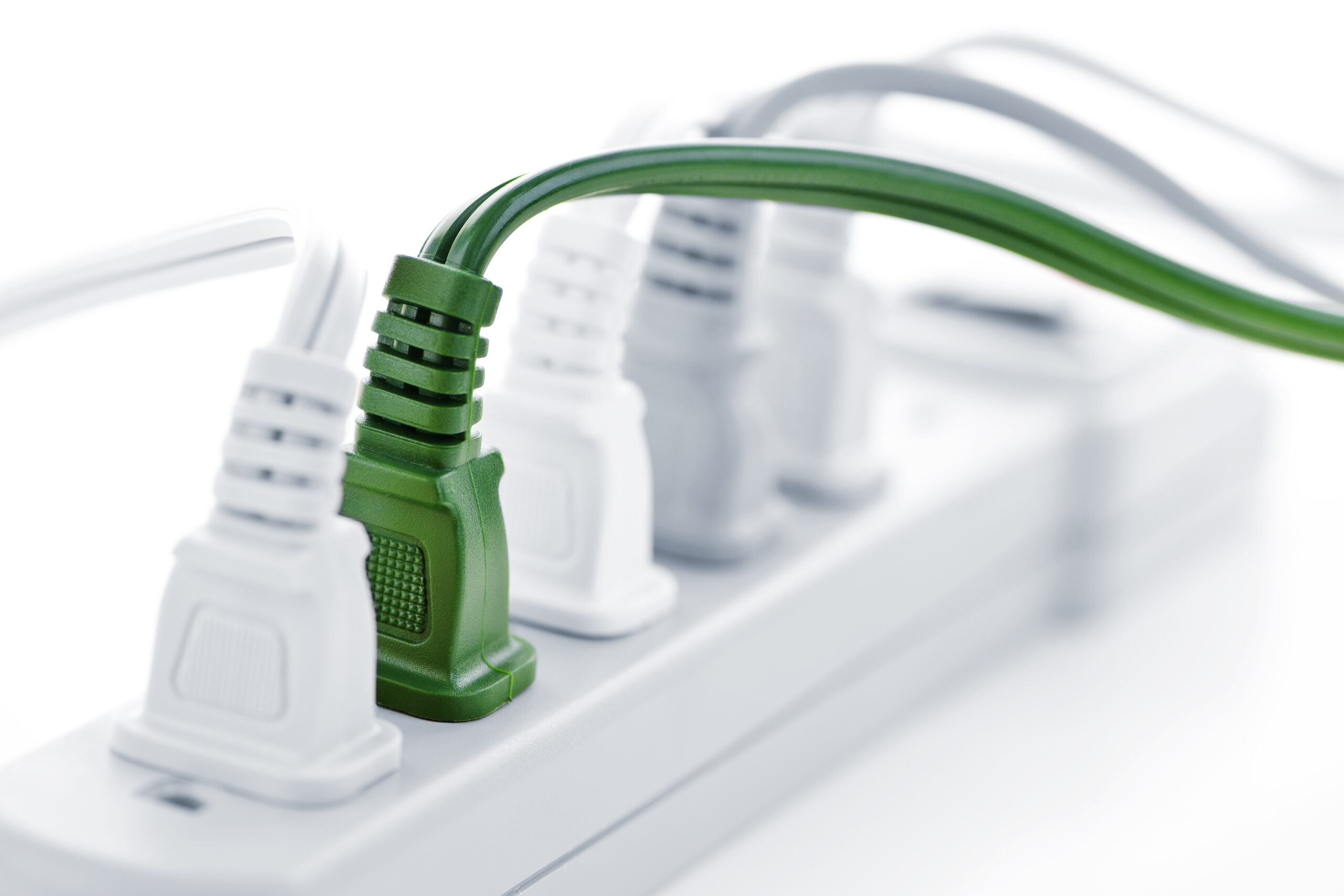
Surge protector with multiple outlets and a green power cord, emphasizing electrical safety and device protection.

Surge protectors are important for preventing damage and protecting all of your sensitive electronic devices. Power strips can also be useful for allowing you to plug in extra things when not enough outlets are available. However, it is important to understand that the two aren’t the same thing. In this article, we’ll explain the difference between the two and also show you how whole-home surge protection can keep your home and electronics even safer.

Power Strips vs. Surge Protectors

It’s always a good idea to plug sensitive and/or expensive electronics like TVs, computers and stereo equipment into a surge protector. Power surges occur when the voltage flowing through an electrical system or a specific electrical circuit suddenly spikes for some reason. In the US, home circuits run on either 120-volt or 240-volt power. A power surge can lead to the current spiking into well over a thousand volts, which can easily burn out components like control boards, computer chips and microprocessors.

Surge protectors prevent this type of damage by “clamping” whenever the electricity flowing to them spikes above a set voltage. Clamping means that it stops the power from continuing to flow downstream (i.e., to whatever is plugged into the surge protector). All surge protectors have a specific clamping voltage, which is how many volts it takes for them to activate and stop the power from flowing downstream. This can range anywhere from 330 to 4,000 volts. The lower a surge protector’s clamping voltage is, the better protection it provides since it will activate even if there is only a minor surge.

While using surge protectors is important, the problem is that many people mistakenly believe that any power strip is a surge protector since the two look similar. This isn’t true, as standard power strips are essentially just extension cords that provide extra outlets without any surge protection. The only real way to tell the difference between the two is to look at the strip and see if it has a maximum joules rating, which is something you’ll only find on surge protectors.

The joules rating tells you the maximum amount of power that a surge protector can handle before it fails. Most surge protectors are robust enough to handle multiple smaller power surges before they give out and stop working. Many surge protectors are rated to handle 2,000 joules. Once the surge protector has been exposed to more than 2,000 joules of energy, it will stop working, and your electronics will no longer be protected. This can sometimes happen with just one major power surge. However, every power surge will diminish the amount of protection the device provides and essentially subtract from the maximum joules it can handle. This means that a surge protector will also eventually stop working after a certain number of more minor surges depending on how high the voltage spikes with each surge.

Surge Protector Strips vs. Whole-Home Surge Protection

While surge protector strips are useful and should definitely be used for all sensitive electronic devices, they will generally never protect against a major external power surge. Instead, they are meant to protect against internal power surges that originate inside a home’s electrical system. External power surges originate in the electrical grid and can happen due to lightning strikes, blown transformers, downed power lines and various other issues. This type of surge is far more powerful than an internal surge and can lead to more than 10,000 volts of electricity surging into your home.

A major external power surge will almost always exceed the maximum joules rating of even the best surge protector strip and lead to it failing and not protecting your electronics. An external power surge also has the potential to cause a fire or seriously damage your electrical system and wiring. Any time there is an extreme spike in the voltage flowing through an electrical wire, it leads to the wire almost instantly overheating and possibly starting to melt.

If a major external power surge hits your home, it can easily cause more than $10,000 worth of damage. You’ll usually be looking at needing to repair or replace many of your major appliances, including your furnace, air conditioner, dishwasher, washing machine, etc. Most of your sensitive electronics will also get fried and need to be replaced, and you’ll also typically have to replace at least some outlets, light switches and light fixtures. The only way to protect against extensive damage from an external power surge is to stop the surge before it enters the home and flows into its electrical system, which is exactly what whole-home surge protectors are designed to do.

How Whole-Home Surge Protection Works

A whole-home surge protector is always installed in between where the wire from the electrical grid connects to the home’s main electrical panel. This allows it to detect if the voltage suddenly spikes and almost instantly redirect all of the excess power away so that the surge doesn’t flow into the electrical system. Instead, the surge protector activates and sends the excess current into the home’s grounding rod where all of the electricity then safely disperses into the soil.

The best whole-home surge protectors have a clamping voltage of 400 volts or less. As with standard surge protectors, the device will automatically activate within a few milliseconds to prevent the excess current from continuing to flow. Most quality whole-home surge protectors are also rated to withstand surges of up to 20,000 volts. This means that it will offer protection against the vast majority of external power surges. The surge protector could fail and not protect against a direct lightning strike to your home since a bolt of lightning can contain well over 100,000 volts, but the chances of lightning striking your home are extremely small.

One thing to understand is that a whole-home surge protector won’t actually shut off the flow of electricity into the home; it channels the excess voltage away. The amount of voltage that it lets through is typically never high enough to damage your electrical system, but it could be sufficient to cause some damage to sensitive electronic devices. This is why experts recommend still using surge protector strips along with a whole-home surge protector since they will provide an extra line of defense for your electronics.

As with surge protector trips, a whole-home surge protector can only withstand so much electricity before it will no longer work. This means that you will usually need to have the surge protector replaced if your home is ever hit by a large external power surge. However, the cost of replacing the surge protector will be far less than what you’d need to pay if you didn’t have whole-home surge protection.

If you want to ensure that your home is fully protected against power surges, Hunt’s Services is ready to help you upgrade to whole-home surge protection. Our highly skilled, licensed electricians specialize in surge protector installation. We can also help if you’re looking to install an EV charging station or whole-home generator or if you need any other electrical installation services. Our team also specializes in all electrical repairs, and we’re also the top choice in Tacoma and the Puget Sound area for plumbing, heating and air conditioning. To learn more about the benefits of a whole-home surge protector or to schedule an appointment to install one at your home, contact us today.

10 Ways To Make Your Indoor Lighting More Eco-Friendly

Modern bathroom interior featuring a freestanding tub, stylish lighting, and large windows for natural light, emphasizing eco-friendly design and energy-efficient solutions.

As climate change becomes more unpredictable, the world has asked its citizens to seek green and eco-friendly substitutes that will leave their carbon footprint behind. Optimizing indoor lighting is one considerable activity you can do to lower your electricity consumption and minimize the amount that goes into greenhouse gas emissions. Households and offices account for a large portion of energy consumption related to indoor lighting. Explore various strategies to transition into more efficient, cost-effective indoor lighting sources to save both money and our environment.

1. Switch to Energy-Efficient Lighting Solutions

Indoor lighting is a crucial aspect of a comfortable home. However, traditional lighting methods are only sometimes the most environmentally friendly. One simple switch you can make is to energy-saving lighting in your home. Not only do they use less energy and lower your electricity bill, but the investment in a cheaper bulb that lasts longer will eventually pay back.

Further, switching to energy-efficient lights can make your space more bright and inviting. To arrange for a home safety inspection with updates to your lighting, contact Hunt’s Services in Tacoma and nearby areas. Doing this can make your home not only safe but also environmentally friendly. Taking small steps like this can add up to make a much greener tomorrow.

2. Install Smart Control Systems

One practical step is to install intelligent control systems. These systems are easily programmed to turn off lights automatically when rooms are unoccupied, reducing energy waste and helping you save on your utility bills. Also, intelligent control systems can simply use infrared sensors to turn lights on; your home becomes safer and more convenient.

Using these systems, you can also control the brightness and color temperature to achieve ideal reading lights or relaxing moods. With intelligent control systems, you can change your home’s lighting into an energy-efficient, family-friendly one.

3. Utilize Natural Lighting

Combined with indoor illumination, natural light can be a real breakthrough. Natural light is not only cheaper and better for the environment; it can even play a role in boosting moods. So, how can you bring natural light home?

Start by strategically placing plants near windows to filter in more natural light. Or, invest in window treatments that get the most sunshine into the room but minimize glare or UV rays. In addition, during daylight hours, remember to open your blinds and curtains to use the sunlight. Not only does the natural lighting help protect our environment, but it will also add a warm luster to your room.

4. Use Light Sensors

Another way to make indoor lighting more eco-friendly is by installing light sensors. These cunning gadgets can sense the degree of natural light in a room and adjust artificially introduced lighting accordingly. This means both electricity and carbon emissions can be used economically. People only turn on as many lights as they need to use at any time of the day or night.

It not only reduces your ecological footprint, but in many cases, it saves you money on the electric bill. The most straightforward aspect of light sensors is installation. Some models are easy to install, and some require professional installation for convenience. This simple yet eco-friendly feature will help you replace your indoor lighting and boost the comfort of living in an environmentally responsible manner.

5. Use Some Solar-Powered Lights

Regarding lighting, switching to solar-powered lights is a big step in reducing energy consumption. Unlike traditional energy sources, solar lights use renewable resources from the sun. They are good lights for indoor use; they can light up any spot in your house.

Whether you want to give your living room a look of modernity or create an intimate atmosphere in the bedroom all styles and designs are covered by solar-powered lights. Not only are they practical, but even the most minor corner appears refined and modern with them. Moreover, when you add solar-powered lights to your home, energy bills lessen, and the planet benefits as well.

6. Recycle Your Light Bulbs

They also last longer and are more energy-efficient than the old lights, but at the end of their life they still have to be thrown away. Recycling light bulbs cannot only keep toxic materials from landfills but will no longer pollute our air, water, or soils.

When you change a light bulb next, why not give it another life by recycling? On top of protecting the environment, you can conserve energy by recycling. Changes of this type seem insignificant, but they can add up to a cleaner and more sustainable world.

7. Use Motion-Activated Lighting

Motion-activated lighting is a great way to save energy, particularly in less frequently used areas. Garages, closets, or even bathrooms are examples. With motion-activated lights, you no longer need manual switches and can turn the light only when someone enters a room. It can also power off after several minutes of inactivity.

Moreover, these motion-activated lights enhance the security of your home by detecting any unwelcome intruders. By doing this, you can save both energy and money since your electricity consumption decreases.

8. Install Energy-Saving Light Fixtures

This is another way of making your indoor lighting friendlier to the environment. With their incandescent and fluorescent lamps, old-fashioned light fixtures consume a lot of energy. However, LEDs and CFL light bulbs use only half the electricity for each unit of glowing photons emitted.

LED fixtures also take many shapes and forms, suitable for installation nearly anywhere in the sunlight. You can also replace traditional light fixtures with energy-efficient ones (including LED-type, new-generation light bulbs) and those with their own built-in power-saving lighting system.

9. Avoid Over-Lighting

Over-lighting spaces can lead to wasted electricity, excessive brightness, and unnecessary energy consumption. You can reduce energy usage and go green by lighting up only the most necessary areas. Only light up the places that need to be lit, or use an under-cabinet lamp in the kitchen instead of switching on overhead lights all day.

10. Maintain Your Lighting Fixtures

Regularly maintaining your lighting fixtures can expand their life span and reduce energy consumption, which saves you money in the long run. Clean your light fixtures often, change burnt-out bulbs, and substitute them with efficient ones wherever possible. It’s also essential to keep your fixtures free of dust and debris. Clogged fixtures can reduce light output, making you rely on more energy to light up a space.

Easy and beautiful ways to achieve indoor lighting that is friendly toward the environment while simultaneously beautiful this does exist. Whether switching to LED lights or automated window treatments, every investment in an energy-efficient system helps create a more sustainable planet. At Hunt’s Services, we have you covered to ensure this process is done according to safety standards. We are dedicated to delivering our customers dependable and excellent air conditioning, heating, plumbing, sewerage maintenance work, and electrical services. From start-up all the way through to completion, you can count on us for your home renovation needs. Please schedule your appointment today or contact us to see how we can help you. We look forward to hearing from you.

Reduce Your Energy Bill in Nine Steps This Fall

Technician from Hunt's Services discussing home maintenance solutions with a homeowner, using a tablet in a kitchen setting.

Autumn’s chill is the first sign of fewer outdoor activities. That means you will rely on electric items and artificial light to entertain and complete tasks. While you prepare for cold weather, practice good habits to keep your energy bill low. These changes will not occur overnight. Repeated use of ideas coupled with one-time inspections and swaps will gradually decrease the bill.

1. The Thermostat

Roughly 50% of high energy bills are because of your HVAC system. Lower your thermostat temperature to a cool 68 degrees during the day. At night, turn it down even lower. Make up for it by adding thick bedding and wearing pajamas. Doing this reduces the electric bill by 10%.

Remembering to switch it low at night and high during the day will be difficult when you have other responsibilities. Therefore, it’s a perfect opportunity to upgrade to an HVAC-compatible version that will save energy. You can program it to a specific temperature at home and a lower temperature while you’re away. An HVAC technician will check your thermostat to see if the current one is fine or if an upgrade is necessary.

You can upgrade to programmable, smart, or Wi-Fi. The smart and Wi-Fi versions offer temperature modification through a smartphone app, no matter where you are.

Help keep bills low by keeping unoccupied rooms closed. Warm up the areas where people occupy the space. Don’t let heating ductwork enter those empty rooms.

2. Let Natural Light In

Windows facing the south or the east have the most natural light. When the sun is shining, turn off the heating unit and indoor lighting and open those windows. Close the curtains at night to keep the heat inside. Rely on indoor lighting for cloudy days and keep the window closed.

Meanwhile, the windows facing north are the coldest in the house. They should remain shut all autumn and winter to block the cold air outside.

3. Switch to Energy-Saving Lights

As you rely on artificial lighting to get through the day, stop using high-watt, hot-to-the-touch traditional bulbs. Instead, select low-watt LED bulbs for indoor, outdoor, and seasonal light decorations. They use less energy and last longer. The illumination is also just as bright as energy-draining traditional bulbs.

There are also lights with remote control or app-enabled dimmers that control brightness. Enjoy lower illumination for entertaining and higher illumination for tasks.

4. Seal Air Gaps

Air leaves through doors and windows the most; they also invite drafts into the home. That makes your heating unit work harder to warm up. Avoid this by sealing window cracks and gaps with moisture-proof caulking.

Cover the window with quilted curtains, thick drapes, window treatments, or vinyl shades with an insulation liner. Don’t use shutters and blinds during the autumn and winter months. The gaps in between them will let cool air in.

Use weatherstripping on doors that lead to the outdoors. Use a door snake, door sweep, or rolled-up fabric to cover the door bottom. Seal holes, cracks, and gaps in closets, walls, ceilings, attics, and basements with caulking. Avoid caulking in areas around the furnace pipe, water heater, or HVAC unit. Let an HVAC technician tackle air gaps around units and ductwork.

Air leaks exist around ductwork and recessed lights. Hire an HVAC technician to seal leaks around ductwork insulation. Contact an electrician to plug the gaps around recessed lighting.

Older homes have more gaps to seal up than newer homes due to wear and tear. Hire a home improvement expert to seal up holes and cracks in areas you missed and in dangerous sections like the roof and crawlspaces.

5. Get the Fireplace in Order

The fireplace is a source of heat loss in the home. Find the fireplace damper chain or lever and close it when you are not using it. Keep it permanently closed for fireplaces you will never use.

Add a chimney cap to keep animals and debris from entering the home. Use fireproof caulking to seal gaps, cracks, and holes in the firebox and hearth. Finish by closing the fireplace screen or glass doors.

The fireplace is not complete without a chimney examination. Hire a roofing expert to inspect and repair the chimney. That will stop drafts from coming inside. Hire a chimney sweeper to clean the soot inside the chimney entrance.

Open the damper, chimney cap, and screen or glass doors when you use the fireplace. Do not use your heating unit while the fireplace is on.

6. Refresh Insulation

About 50% of the air leaving the home is because of poor home insulation. The attic, crawlspace, wall, and flooring work better with fresh fiberglass or foam insulation. Rugs can also keep flooring insulated. Always contact professional technicians who specialize in home insulation. They know how to find, examine, remove, and add it to essential areas throughout your home.

7. Get an HVAC Tune-up

Hunt’s Services in Tacoma, WA wants your HVAC and furnace units operating in peak condition, and they can’t do that when they’re clogged or broken. Let our HVAC service technicians examine, diagnose, and repair the unit. We also clean the ducts, change the air filter, and remove dust and debris inside.

If it doesn’t work, we offer furnace replacement and HVAC installation services. We will select a suitable one based on budget and home size. We encourage customers to keep a routine maintenance schedule with us so their units stay in peak condition.

8. Turn Electronic Devices Off

Turn off electronics when no one is watching or listening to them. Examples are the TV, DVD/CD player, DVR, cable box, radio, stereo, video game console, and tablet. You find these devices in the living room, den, and bedroom.

Some devices connect to wall outlets. They drain more electricity from the home than a power strip or surge protector. Those devices use less energy and spread that energy across an entire group of plugged electronics. Another option is running battery-powered devices like wall clocks, laptops, and tablets.

The “always on” and “standby” buttons are red lights that tell you the electronic device is off. In reality, the red light is still using phantom energy. That means the devices use electricity when the electronic device is not in use.

In that instance, unplug those devices when you are not using them. Examples are phone and computer chargers. A second option is to turn off the power strip or surge protector switch and keep the cords plugged in. A third option is using a smart plug that turns on and off through a smartphone app.

9. Switch to Energy-Efficient Appliances

The oven, stove, dishwasher, refrigerator, washer, dryer, and microwave use the most energy in the house. Swapping them for energy-saving versions will cost more, but the savings earned on the bill will make up the difference. Appliances with the ENERGY STAR label do the same job efficiently while using less energy. The best time to grab them is when you need replacements. Another way to save energy is by unplugging kitchen countertop appliances when they are not in use.

Contact a Company With Multiple Skills Under One Roof

Hiring one company for plumbing, another for electricity, and a third for heating and cooling is stressful. You need a company that does all three. Hunt’s Services has electricians, plumbers, and technicians all under one roof. We use the latest technology and the most effective methods to solve your dilemma. We also fix sewer problems and improve air quality with whole-home filtration systems.

Contact Hunt’s Services online, in person, and by phone for more information.

10 Important Electrical Safety Tips for Your Western Washington Home

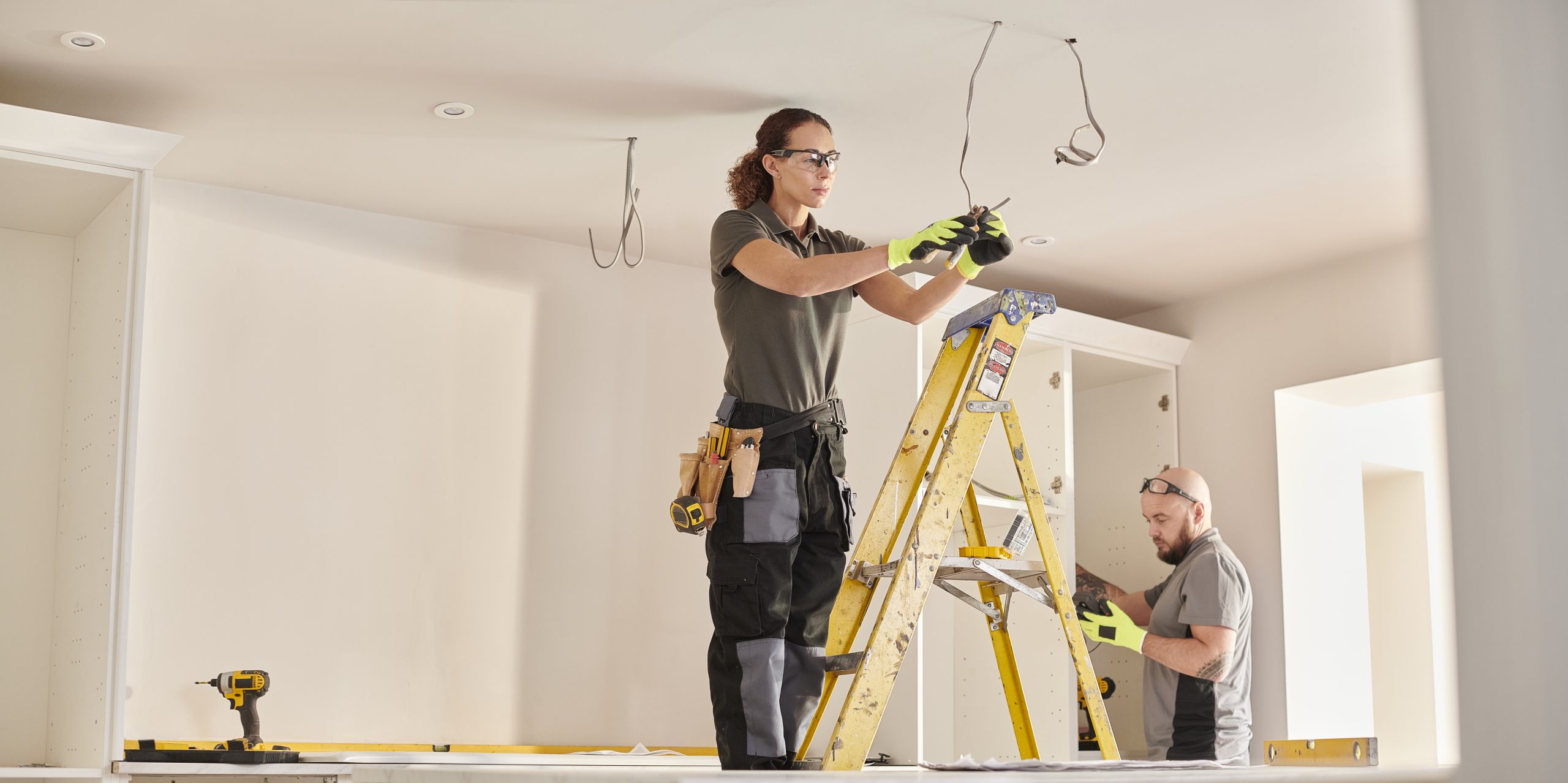
Electricians working on home electrical installation, using a ladder and tools, focused on safety and efficiency in residential setting.

According to the U.S. Consumer Product Safety Commission, more than 31,000 electrical fires occur throughout the nation each year. Thus, one of the best things that you can do to protect your Tacoma, WA home is to practice electrical safety. With faulty wiring and connected electrical equipment responsible for two-thirds of these events, there’s a lot that you can do to both prevent and mitigate disaster. Following are 10 electrical safety tips to help you get started.

1. Use Space Heaters and Portable Air Conditioners the Right Way

Many older homes in Pierce County lack fixed, permanent cooling solutions. Some even have simple baseboard heaters or wall heaters for wintertime heating. Although these properties meet the minimum legal requirements for habitability, they aren’t always comfortable to be in during times of extreme weather. If you’re supplementing your current heating and cooling equipment by plugging in space heaters or portable air conditioners, it’s important to do so safely.

When active, space heaters should never be unattended. Moreover, you should always plug these units directly into electrical outlets rather than using them with extension cords. It’s also important to replace space heaters regularly. Never use an old space heater that you’ve purchased at a garage sale or thrift store. Instead, opt for a new model with advanced safety features and a fully intact cord.

Although portable air conditioners are far less of a fire hazard than space heaters, these units use a lot of electricity. It’s vital to make sure that yours isn’t overloading the circuit that it’s used on. If you plug a portable AC in and your lights flicker or dim, move to a different outlet or area of the building or relocate other appliances in the space. Like space heaters, portable air conditioners should always be plugged directly into wall outlets.

2. Schedule Whole-House Electrical Inspections Every Five to 10 Years

In general, homeowners should have their electrical systems professionally inspected once every 10 years. However, certain building and household-specific factors may make it necessary to schedule these appointments every five years. For instance, you should have an electrician review your home’s wiring every five years if your household is fast-growing. With more people living in the home, you’re virtually guaranteed to have more devices and appliances plugged in. As household sizes increase, electricity demand rises as well. These changes may make it necessary to refine your home’s electrical system.

Major pest infestations are another good reason to schedule electrical inspections before 10 full years have passed. Rats, mice, and other small animals are known to chew through wiring and cause other in-wall electrical damage. However, bed bugs, termites, and other insects can cause electrical problems too. If you’ve just had a major pest infestation treated, have an electrician make sure that your electrical system is unaffected.

3. Never Overload Your Outlets

You likely have an overloaded outlet if the circuit breaker for the area frequently trips. However, you should also be on the lookout for signs like:

  • Outlets that are warm or hot to the touch
  • Thin, whitish smoke coming from outlets
  • Burnt and slightly sweet-smelling odors at outlets or behind walls
  • Soot or singe marks

If you live in an older home that still has two-pronged outlets, you might notice these things even when your devices and appliances are plugged in correctly and have their own dedicated outlets. In this case, these are indications of an outdated electrical system. Upgrading to three-pronged outlets or outlets with grounding prongs will enhance the electrical safety of your home and aptly accommodate your modern appliances.

4. Give Your Appliances and Devices Adequate Clearance

For aesthetic purposes or for space-saving, you might have your gaming computer, television, or other electronics positioned close to walls or nearby furnishings. All of the heat-generating devices and appliances in your home should always have sufficient clearance on all sides. This way, when they vent their heat, it has somewhere to go. You can find the recommended amount of clearance for each item in your home by reading the corresponding owner’s manual. Maintaining adequate clearance will extend the lifespan of your electronics, limit the risk of overheating, and prevent electrical fires.

5. Don’t Ignore the Signs of Developing Electrical Problems

One of the most important electrical safety tips for Tacoma homeowners is to schedule timely electrical inspections and repairs when suspected problems arise. Much like your home’s plumbing system, most of your electrical system is hidden behind drywall and other structural elements. As such, it’s easy to overlook and just as easy to outright ignore.

In addition to strange odors, smoke, and singe marks, be on the lookout for:

  • Outlets that spark
  • Buzzing sounds in your walls or at your circuit breaker box
  • Lights that randomly grow dim

When an outlet fails to work or fails to work without issue, don’t simply move your lamp, laptop, or other electrically powered device to another outlet and put the issue out of your mind. Instead, contact a licensed electrician right away.

6. Practice Extension Cord Safety

Make sure that each extension cord you use is properly rated for the application. Don’t overload your extension cords, and don’t run them under carpeting or furnishings. More importantly, never attempt to staple or pin these cords down, and never “daisy chain” or link multiple extension cords together.

7. Have Ground-Fault Circuit Interrupters (GFCIs) Installed

High-moisture areas like your kitchen and bathrooms should have ground-fault circuit interrupters (GFCIs) installed. These outlets detect overloads and other electrical hazards, and they immediately shut down to prevent electrocution and fire. They’re standard additions to modern homes, but your home might lack them if it was built before 1971 or hasn’t had its electrical system updated in quite a while.

8. Regularly Clean All Exhaust Fans

All electricity-reliant items that produce exhaust should have their exhaust fans cleaned annually or as recommended. Much like giving heat-generating appliances adequate clearance, this will prevent overheating, short circuits, and electrical fires.

9. Update Your Home’s Electrical System Every 20 to 25 Years

As the years go by, the average number of devices that homeowners rely on increases. Most households have gone from having a single television for entertainment to having multiple laptops, tablets, and mobile phones. Many modern homes have massive theater rooms, advanced sound equipment, multi-pronged security systems, and more. Having your electrical system inspected every five to 10 years and updated every 20 to 25 years is the surest way to keep it on par with your needs.

10. Avoid Do-It-Yourself Electrical Installations

If you want your very own EV charging station or an all-new lighting plan, contact a licensed electrician rather than attempting to do it yourself. DIY electrical projects can result in your home insurance plan being voided, your home warranty, and other important protections. It can also leave you with a property that won’t pass lender inspections should you ever choose to sell. Working with general handymen and unlicensed electrical service providers also greatly undermines your home’s electrical safety.

We’re proud to serve residents of Tacoma, WA, and the greater Pierce County area. We offer HVAC, plumbing, sewer, drain, and electrical services. We also provide HVAC duct cleaning and advanced indoor air quality solutions. To schedule an appointment, get in touch with Hunt’s Services today!

Signs Your House Needs New Electrical Wiring

Electrician working on an electrical panel outdoors, wearing a hard hat and safety glasses, with tools in hand and wiring visible.

Over time, all things in a home wear down. Your electrical wiring is no different. Not only does electrical wiring wear out when it’s used often, but we use a lot more electricity than we did in past decades, leading to the need for more efficient systems that can carry a heavier electrical load. Certain signs let you know an upgrade is needed, and they are as follows.

The Lights Flicker and Dim

If you notice that the lights in your home flicker or dim and then become bright again, there’s a good chance that your lightbulbs are not receiving the necessary amount of power to operate properly. Some people think that a faulty lightbulb is the problem, but the real issue is that loose wiring or bad circuits interfere with the flow of power. Additionally, if you have bad wiring, this can lead to a whole host of other problems, which include the potential of an electrical fire. It’s always best to have small problems checked out by a professional before a minor nuisance becomes a much bigger issue.

Outlets Have Brown Singe Spots or Are Shooting Sparks

If you notice that outlets are shooting sparks, it’s likely that components in your electrical system are nearing the end of their lifespan or the outlets are being overloaded. Connections may also be loose, and loose connections can cause a problem called electrical arcing. When electrical arcing occurs, electricity is jumping across connections, and temperatures can reach as high as 35,000 degrees. As your outlets are throwing out sparks, they are building up heat that can melt the insulation and even lead to electrical fires. If you’re seeing brown stains on your outlets, this means that there have been sparks coming out of the outlets in the past.

Electrical Shocks or Tingling Sensations

It’s tempting to think that receiving a slight electrical shock when you touch a cord or plug something into the wall is a minor nuisance, but this can be a more dangerous problem. If the cords to your appliances or electronic devices are in decent shape but you still get shocked by touching them or plugging them in, you need to contact an electrician because this is a sign of faulty wiring.

The Smell of Something Burning

If you smell something burning, you must act quickly. It’s possible that the insulation inside of your walls is increasing in temperature and is melting. If you do not act, a fire will start and spread quickly. Call an electrician immediately. Additionally, you must shut off the power at the electrical panel to the impacted area to avoid any further damage.

Circuit Breakers Tripping Frequently

A circuit breaker that trips frequently is a sign that you’re overloading the electrical panel. Because older electric panels are not designed to handle today’s electricity demands, older circuit breakers will overload. Modern homes use 100-amp breaker boxes, and these are higher than those installed in the past. In addition to having an older breaker box, you can cause an overload by using multi-plug adapters because you will force the circuit to handle more than it is designed. The installation of more appliances in rooms, such as kitchens and garages, can also cause an electrical panel to become overloaded because it is not designed to handle the strain. To remedy this, you will need a new electrical panel that is large enough to accommodate the needs of your household, and you’ll have to have your home rewired.

The Home Is Older and Hasn’t Had an Electrical Update

The exact length of time that electrical wiring can last will depend on the type of material that was originally used to construct it. For instance, copper wiring is durable, so it can last up to 100 years. On the other hand, some wiring can only last 25 or 30 years. If you’re not sure what kind of material was used in the wiring of your home, you should have an electrician check for you. Certain types of wiring, such as knob-and-tube wiring, cannot handle today’s power usage. Knob-and-tube wiring cannot be grounded, so this type of wiring cannot service any three-pronged devices or appliances. If your home was built between the late 1800s and the 1940s and has never had a wiring upgrade, chances are that your home has knob-and-tube wiring.

Aluminum wiring is not considered to be safe because it is more prone to electrical fires since it is softer than copper, and that makes it more likely to break down and cause hot spots. Aluminum wiring also expands more than copper, so wires can get trapped beneath screws and create loose connections that are in danger of overheating and starting electrical fires. If your home was built between 1965 and 1973 and has never had an electrical wiring update, there’s a good chance that you have aluminum wiring that needs to be replaced.

You Use Multi-Outlet Adapters

If you’re relying on multi-outlet adapters, there’s a good chance that you don’t have enough outlets for your needs. Modern homes have more outlets in every room compared to their older counterparts because we use more electricity than was used decades ago. Relying on multi-plug adapters isn’t ideal because there’s a greater chance that you’re overloading your system.

You’re Making an Addition to Your Home

If you’re adding to your home, you’ll have to check how much space you have left in your electrical panel. When adding on to their homes, many homeowners often need a new electrical panel, or they need to increase the size of their current one. Furthermore, you will need to have an electrician determine whether your electrical system needs to be upgraded before the addition can be built.

You Have Two-Prong, Ungrounded Outlets

If there are two-prong outlets in your home, this means that the outlets are not grounded. It’s important for outlets to be grounded because this serves as protection for your household and your electronic devices if a power surge occurs. If your outlets are grounded, excess electricity is directed away from your home and back to the ground. Grounded outlets also protect against electric shock.

Kitchens and Bathrooms Don’t Have GFCI Outlets

Having GFCI outlets in bathrooms and kitchens is the standard because outlets are located near a water source. GFCI outlets are designed to prevent electrical shock, which can be fatal. Furthermore, GFCIs can prevent electrical fires because they are designed to switch off upon detecting ground faults.

Your home is one of the greatest investments you will ever make. So, you naturally want to work with a company that can address any issues that arise. Our experts here at Hunt’s Services offer electrical services, and we can also provide you with heating, cooling, plumbing, and sewer services to ensure your home stays comfortable, functional, and safe all year round. If you reside in Tacoma, WA or any of the surrounding areas, call Hunt’s Services to learn more about how we can help.

Unlocking The Mystery Of Your Home’s Electrical Outlets

Outlets are so common in nearly every home… but not all outlets are the same. Have you ever tried to plug something in and it didn’t fit? (For example, a 3-pronged device but your outlet only has 2 holes.) Ever wonder why that is?

There are many types of electrical power outlets, and more are being created. Do you know which ones are right for your home? If you are thinking about upgrading outlets or renovating this spring or maybe even buying a new home, take a moment to educate yourself on these different types.

Two vs Three-Prong Outlets

Two-prong outlets are in a lot of older homes. They can fit many devices that only have two prongs such as coffee grinders, phone chargers, some adapted computer chargers, and more. The problem with two-prong outlets is that they are not grounded, and any device that you plug into them will not be protected from any power surges which can severely damage your devices. There are also a lot of higher-powered devices that will not fit into a two-prong outlet as they have the third prong.

If all you find in your home or business are two-prong outlets, it may be that the electrical system is not grounded. This is unsafe for both you and your electrical devices and appliances because there is no way to prevent an electrical short from happening. You don’t want to be at the receiving end of electrical short, especially where there is water such as in your kitchen and bathrooms.

Three-prong outlets are the most common type to find in your kitchen, bedroom, living room, and more. The third circular prong is the grounding wire which sends any stray electricity into the ground rather than through the device and anyone touching it. With the three-prong outlet, you can stick with the typical 15 amp system or upgrade to a 20 amp system if you tend to use a lot of high-powered devices. Make sure you have three prong outlets installed with the proper rating for your electrical circuits and panel.

When you hire Hunt’s Services for your electrical needs, we will always do an inspection of your electrical system and panel before we begin any work to make sure it is properly grounded and rated to handle the loads for all your electrical devices and appliances. Some electrical devices, such as hot tubs require 220 vs 110-volt electrical circuits and outlets to insure they work properly and do not overheat or damage your appliance or electrical panel.

GFCI Protection

A GFCI, or ground fault circuit interrupter, is an outlet that will automatically shut the flow of power off when it senses a short circuit or a major power surge. (You often see these with one or more buttons on the outlet). These outlets will often be where the outlet or device could come into contact with water, such as in the kitchen or bathroom. A GFCI can protect us from a major accident.

If properly installed, GFCI is designed to prevent an electrical shock to a person by shutting off the power in as little as 1/40th of a second. GFICs also protect your home or business from an electrical fire due to a faulty connection or unprotected electrical wire going to the outlet. It is a good idea to hire a certified licensed electrician to install your GFCI outlet to make sure it is done correctly and up to current codes. If your outlet is outside or exposed to water, such as rain, make sure the outlet you have installed is waterproof or you will be constantly tripping your electrical circuits.

USB Outlets

USB outlets are for charging electrical devices like phones, e-readers, wireless headphones and more. These outlets come either with several USB ports or with a combination of three prong and USB plugins. The benefit of these plugs is the ability to plug in multiple rechargeable devices at once while maintaining full charging speed. As you know from your cell phones, computers, and iPads, finding and using an USB outlet when you are at the airport or other public facility can often times be the difference between being able to use your phone or needing to charge it.

Smart outlets allow you to turn each outlet on and off just by using your phone. Smart outlets can be beneficial for night time lighting, holiday pre-sets, Christmas lights and much more. You have to have a smart hub already installed in your house for this to work. For a lower-tech option, there are also outlets that have an on/off switch above the plugin.

Many newer homes or ones being built today will come with USB Outlets. Hunt’s Services certified electricians can install USB Outlets where ever it is most convenient for you. There are different types of USB Outlets and we can explain them to you so you can decide which ones are the best for you.

Rotating outlets allow you to plug in a device that has a large charging case and turn it so that another case would fit nicely next to it, maximizing your space potential.

There are many options for the outlets in your home. Which one is right for you? When you hire Hunt’s Services to service, repair or install your electrical outlets you can rest assured your work will be done according to current electrical codes and done right the first time.