
How Does Cold Weather Affect Electrical Wiring in Your Home?

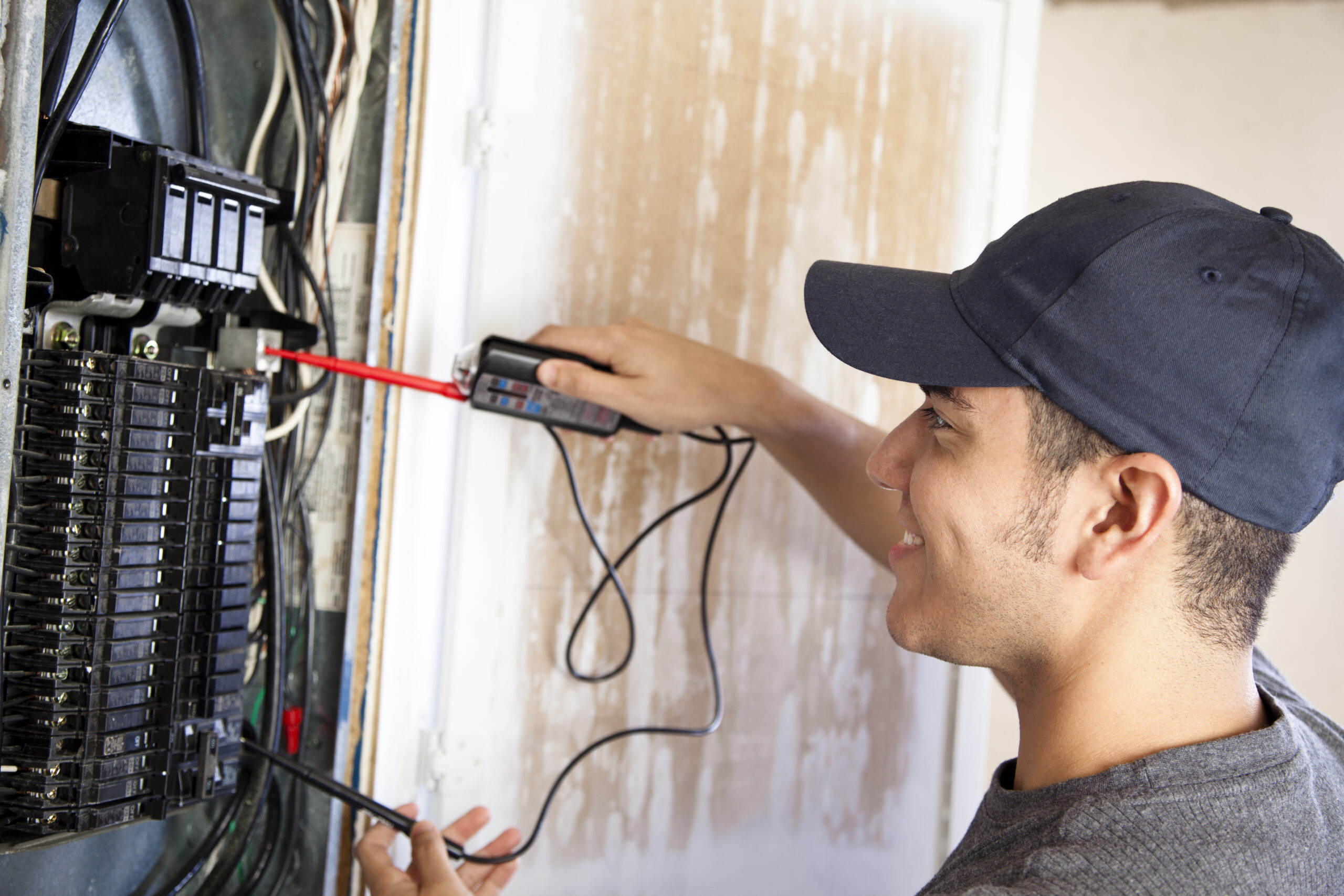
Electrician using a multimeter to check electrical panel connections, ensuring safety and functionality of home wiring systems.

As the temperatures drop and winter sets in, you may notice your home’s electrical system behaving in ways it doesn’t during the rest of the year. While you bundle up against the chill, your wiring is battling the cold, too, facing dangers that can disrupt your power or even cause fires. From contraction and resistance to freezing and corrosion, frigid temperatures put stress on every component. But don’t despair – with proper maintenance and protection, you can keep things flowing safely, even in subzero conditions.

Let’s explore how cold weather can compromise your home’s electronics and what our top-notch electricians can do to help.

Contraction of Materials

Imagine a rubber hose on a summer day – pliable and flexible. Now, picture that same hose, icy and rigid. The same thing happens inside your walls. As temperatures plunge, the plastic and rubber insulation encasing wires contracts and shrinks. This puts stress on connections where wires join boxes, outlets, and other hardware. It’s like a rubber band shrinking down on your finger – tightening to the point of potential breakage. Contraction creates openings for moisture to seep in, grounds to separate, and arcs to spark. Over time, these tiny cracks can worsen wire degradation, increasing your fire risk as systems age. Our electrician’s expert maintenance can catch problems early before major damage occurs.

Increased Electrical Resistance

We all know electricity flows more freely through copper than other materials. But did you know cold makes copper resist harder, too? As wires cool, their molecules slow and spread out, impeding the smooth passage of electric current. This resistance generates excess heat at connection points under load. The self-heating can further weaken wires over the winter in a dangerous feedback loop. An electrician inspecting for “low-resistance” connections helps prevent overheating mishaps from snowy weeks of extra draw on your system. Early detection and tightening treats the root cause before a fire ignites.

Brittle Insulation Breakdown

Even the toughest wire casings aren’t impervious to Old Man Winter’s wrath. PVC protecting cables and NM “romex” rubber coatings become brittle and inflexible in icy grips. The outer sheath designed to be pliable cracks instead. Microsplits expose underlying copper to corrosion from infiltrating moisture. Insulation hairline fractures won’t cause immediate outages but condemn wiring vulnerable to future failures when you need power most. Systematic replacement prevents piecemeal repairs down the line after costly, extensive damage emerges. Let our pros evaluate insulation integrity now to avoid winter hazards.

Reduced Battery Performance

Car batteries are the gold standard for cold-weather struggles, but did you know indoor appliances also suffer in freezing weather? The lead-acid inside maintains a delicate chemical balance that friction from movement keeps charged. But when temperatures plummet, those active metal particles slow to a crawl, draining voltage reserves fast. Critical backup systems like sump pumps, alarms, and internet routers may not kick on until it’s too late without ample stored power. Our experienced electricians can install high-quality batteries rated for extreme cold and test backups regularly so they’re always ready despite the elements.

Diminished Capacity of Capacitors

Similar to batteries, capacitors in electronic devices rely on intimate contact between two different materials to store electric potential. In the deep freeze, molecules spacing out decrease surface area contact, weakening the static “memory” effect capacitors provide to iron out power fluctuations. This stresses circuit boards, power supplies, and sensitive digital components already tasked with more operations to compensate for high energy draw elsewhere in the structure. Replacing outdated capacitors can prevent annoying malfunctions and premature failures in winter. Consult Hunt’s Services for recommended capacitor upgrades tailored to your home’s needs.

Corrosion of Metal Components

As insulation cracks, moisture gets into wires where oxygen and electron flow speeds corrosion. Extreme temperature swings from day to night additionally stress metals, working them at the molecular level. Copper oxidizes, terminals degrade, and aluminum wiring becomes dangerously brittle. Good news – an electrician’s thermographic inspection catches “hot spots” before outbreaks, allowing preemptive treatments. While replacement may ultimately be necessary, temporary solutions like anti-oxidant paste can buy more safe usage time.

Impact on Circuit Breakers

Breakers trip when too many high-wattage devices simultaneously tax the line capacity. In winter, more energy-hungry appliances and heating equipment come online, increasing potential overload. Additionally, breaker tolerances are temperature dependent – rated to function optimally between 30 and 110 degrees Fahrenheit. Outside those parameters, breakers may not open fast enough to prevent serious damage or fire from occurring. Routine testing ensures they trip at the proper amps. Upgrade ancient breaker boxes unable to safely handle peak loads. Let Hunt’s Services investigate your main panel’s winter preparedness.

Potential for Power Outages

When deep cold strikes, utility providers sometimes struggle to keep up with surging demand. Prolonged blackouts due to downed power lines or equipment failures grow more likely as infrastructure ages in freezing climates. Invest in backup solutions like generators connecting to critical circuits automated to run essentials if electricity cuts. Uninterruptible power supply (UPS) batteries similarly offer short-term power bridging during brief lapses. Home upgrades beefing up wiring help prevent cascading failures draining your generator too quickly as well. It’s always important to be prepared for outages, turn to us for our generator services!

Freezing of Water in Conduits

Remember, conduit provides a moisture-proof pathway for wiring runs subject to damp conditions. Except when that insulation cracks or water somehow infiltrates after a rainstorm, the wet inside risks solidifying into solid ice come subzero temperatures. Expanding water expands pipes and conduits from within till they rupture under pressure like popped balloons. The damage spills water directly onto exposed wiring shorting circuits. Proper sealing and drainage away from entry points mitigate this risk. Replace older, cracked pipes to pass critical inspections.

Challenges for Outdoor Wiring

The elements are roughest of all on connection elements left entirely exposed. Wind, blowing snow, driving rain, hail, and temperature cycling literally beat up connectors over time, working them loose. Corrosion eats away unprotected metal parts. Mice or squirrels may chew through insulation to stay warm as well. Make sure yard boxes, swimming pool equipment, hot tubs, and garage/shed lines receive additional protective sealing and rigid conduit covering for resilience against the climate. Schedule inspection and maintenance visits with an outdoor wiring specialist.

While electrical systems face daily stressors, extremely cold temperatures compound the harmful effects through multiple mechanisms. Contraction, increased resistance, moisture intrusion, and more all conspire to degrade wiring integrity over the long term if not properly maintained. Yet with preventative steps like regular inspections and addressing trouble spots before failures occur, you can rest assured your home’s power will be ready to withstand Old Man Winter’s wrath for seasons to come. When issues do arise, expert contractors like Hunt’s Services stand ready to assess conditions and make any necessary repairs to restore safety and comfort through even the chilliest nights.

Trust the Professionals

As a Tacoma area leader in electrical service for years, our licensed electricians understand precisely how frigid conditions threaten each component. Our complete service menu addresses every winter vulnerability with precision testing, repairs, upgrades, and preventative tweaks. Whether inspecting main panels, troubleshooting generator connections, upgrading outdoor boxes, or installing emergency backup systems, our expertise ensures your home enjoys continuous power comfortably through any storm. Take a proactive approach by scheduling electrical services with Hunt’s Services today.


10 Important Electrical Safety Tips for Your Western Washington Home

Electricians working on home electrical installation, using a ladder and tools, focused on safety and efficiency in residential setting.

According to the U.S. Consumer Product Safety Commission, more than 31,000 electrical fires occur throughout the nation each year. Thus, one of the best things that you can do to protect your Tacoma, WA home is to practice electrical safety. With faulty wiring and connected electrical equipment responsible for two-thirds of these events, there’s a lot that you can do to both prevent and mitigate disaster. Following are 10 electrical safety tips to help you get started.

1. Use Space Heaters and Portable Air Conditioners the Right Way

Many older homes in Pierce County lack fixed, permanent cooling solutions. Some even have simple baseboard heaters or wall heaters for wintertime heating. Although these properties meet the minimum legal requirements for habitability, they aren’t always comfortable to be in during times of extreme weather. If you’re supplementing your current heating and cooling equipment by plugging in space heaters or portable air conditioners, it’s important to do so safely.

When active, space heaters should never be unattended. Moreover, you should always plug these units directly into electrical outlets rather than using them with extension cords. It’s also important to replace space heaters regularly. Never use an old space heater that you’ve purchased at a garage sale or thrift store. Instead, opt for a new model with advanced safety features and a fully intact cord.

Although portable air conditioners are far less of a fire hazard than space heaters, these units use a lot of electricity. It’s vital to make sure that yours isn’t overloading the circuit that it’s used on. If you plug a portable AC in and your lights flicker or dim, move to a different outlet or area of the building or relocate other appliances in the space. Like space heaters, portable air conditioners should always be plugged directly into wall outlets.

2. Schedule Whole-House Electrical Inspections Every Five to 10 Years

In general, homeowners should have their electrical systems professionally inspected once every 10 years. However, certain building and household-specific factors may make it necessary to schedule these appointments every five years. For instance, you should have an electrician review your home’s wiring every five years if your household is fast-growing. With more people living in the home, you’re virtually guaranteed to have more devices and appliances plugged in. As household sizes increase, electricity demand rises as well. These changes may make it necessary to refine your home’s electrical system.

Major pest infestations are another good reason to schedule electrical inspections before 10 full years have passed. Rats, mice, and other small animals are known to chew through wiring and cause other in-wall electrical damage. However, bed bugs, termites, and other insects can cause electrical problems too. If you’ve just had a major pest infestation treated, have an electrician make sure that your electrical system is unaffected.

3. Never Overload Your Outlets

You likely have an overloaded outlet if the circuit breaker for the area frequently trips. However, you should also be on the lookout for signs like:

  • Outlets that are warm or hot to the touch
  • Thin, whitish smoke coming from outlets
  • Burnt and slightly sweet-smelling odors at outlets or behind walls
  • Soot or singe marks

If you live in an older home that still has two-pronged outlets, you might notice these things even when your devices and appliances are plugged in correctly and have their own dedicated outlets. In this case, these are indications of an outdated electrical system. Upgrading to three-pronged outlets or outlets with grounding prongs will enhance the electrical safety of your home and aptly accommodate your modern appliances.

4. Give Your Appliances and Devices Adequate Clearance

For aesthetic purposes or for space-saving, you might have your gaming computer, television, or other electronics positioned close to walls or nearby furnishings. All of the heat-generating devices and appliances in your home should always have sufficient clearance on all sides. This way, when they vent their heat, it has somewhere to go. You can find the recommended amount of clearance for each item in your home by reading the corresponding owner’s manual. Maintaining adequate clearance will extend the lifespan of your electronics, limit the risk of overheating, and prevent electrical fires.

5. Don’t Ignore the Signs of Developing Electrical Problems

One of the most important electrical safety tips for Tacoma homeowners is to schedule timely electrical inspections and repairs when suspected problems arise. Much like your home’s plumbing system, most of your electrical system is hidden behind drywall and other structural elements. As such, it’s easy to overlook and just as easy to outright ignore.

In addition to strange odors, smoke, and singe marks, be on the lookout for:

  • Outlets that spark
  • Buzzing sounds in your walls or at your circuit breaker box
  • Lights that randomly grow dim

When an outlet fails to work or fails to work without issue, don’t simply move your lamp, laptop, or other electrically powered device to another outlet and put the issue out of your mind. Instead, contact a licensed electrician right away.

6. Practice Extension Cord Safety

Make sure that each extension cord you use is properly rated for the application. Don’t overload your extension cords, and don’t run them under carpeting or furnishings. More importantly, never attempt to staple or pin these cords down, and never “daisy chain” or link multiple extension cords together.

7. Have Ground-Fault Circuit Interrupters (GFCIs) Installed

High-moisture areas like your kitchen and bathrooms should have ground-fault circuit interrupters (GFCIs) installed. These outlets detect overloads and other electrical hazards, and they immediately shut down to prevent electrocution and fire. They’re standard additions to modern homes, but your home might lack them if it was built before 1971 or hasn’t had its electrical system updated in quite a while.

8. Regularly Clean All Exhaust Fans

All electricity-reliant items that produce exhaust should have their exhaust fans cleaned annually or as recommended. Much like giving heat-generating appliances adequate clearance, this will prevent overheating, short circuits, and electrical fires.

9. Update Your Home’s Electrical System Every 20 to 25 Years

As the years go by, the average number of devices that homeowners rely on increases. Most households have gone from having a single television for entertainment to having multiple laptops, tablets, and mobile phones. Many modern homes have massive theater rooms, advanced sound equipment, multi-pronged security systems, and more. Having your electrical system inspected every five to 10 years and updated every 20 to 25 years is the surest way to keep it on par with your needs.

10. Avoid Do-It-Yourself Electrical Installations

If you want your very own EV charging station or an all-new lighting plan, contact a licensed electrician rather than attempting to do it yourself. DIY electrical projects can result in your home insurance plan being voided, your home warranty, and other important protections. It can also leave you with a property that won’t pass lender inspections should you ever choose to sell. Working with general handymen and unlicensed electrical service providers also greatly undermines your home’s electrical safety.

We’re proud to serve residents of Tacoma, WA, and the greater Pierce County area. We offer HVAC, plumbing, sewer, drain, and electrical services. We also provide HVAC duct cleaning and advanced indoor air quality solutions. To schedule an appointment, get in touch with Hunt’s Services today!

Unlocking The Mystery Of Your Home’s Electrical Outlets

Outlets are so common in nearly every home… but not all outlets are the same. Have you ever tried to plug something in and it didn’t fit? (For example, a 3-pronged device but your outlet only has 2 holes.) Ever wonder why that is?

There are many types of electrical power outlets, and more are being created. Do you know which ones are right for your home? If you are thinking about upgrading outlets or renovating this spring or maybe even buying a new home, take a moment to educate yourself on these different types.

Two vs Three-Prong Outlets

Two-prong outlets are in a lot of older homes. They can fit many devices that only have two prongs such as coffee grinders, phone chargers, some adapted computer chargers, and more. The problem with two-prong outlets is that they are not grounded, and any device that you plug into them will not be protected from any power surges which can severely damage your devices. There are also a lot of higher-powered devices that will not fit into a two-prong outlet as they have the third prong.

If all you find in your home or business are two-prong outlets, it may be that the electrical system is not grounded. This is unsafe for both you and your electrical devices and appliances because there is no way to prevent an electrical short from happening. You don’t want to be at the receiving end of electrical short, especially where there is water such as in your kitchen and bathrooms.

Three-prong outlets are the most common type to find in your kitchen, bedroom, living room, and more. The third circular prong is the grounding wire which sends any stray electricity into the ground rather than through the device and anyone touching it. With the three-prong outlet, you can stick with the typical 15 amp system or upgrade to a 20 amp system if you tend to use a lot of high-powered devices. Make sure you have three prong outlets installed with the proper rating for your electrical circuits and panel.

When you hire Hunt’s Services for your electrical needs, we will always do an inspection of your electrical system and panel before we begin any work to make sure it is properly grounded and rated to handle the loads for all your electrical devices and appliances. Some electrical devices, such as hot tubs require 220 vs 110-volt electrical circuits and outlets to insure they work properly and do not overheat or damage your appliance or electrical panel.

GFCI Protection

A GFCI, or ground fault circuit interrupter, is an outlet that will automatically shut the flow of power off when it senses a short circuit or a major power surge. (You often see these with one or more buttons on the outlet). These outlets will often be where the outlet or device could come into contact with water, such as in the kitchen or bathroom. A GFCI can protect us from a major accident.

If properly installed, GFCI is designed to prevent an electrical shock to a person by shutting off the power in as little as 1/40th of a second. GFICs also protect your home or business from an electrical fire due to a faulty connection or unprotected electrical wire going to the outlet. It is a good idea to hire a certified licensed electrician to install your GFCI outlet to make sure it is done correctly and up to current codes. If your outlet is outside or exposed to water, such as rain, make sure the outlet you have installed is waterproof or you will be constantly tripping your electrical circuits.

USB Outlets

USB outlets are for charging electrical devices like phones, e-readers, wireless headphones and more. These outlets come either with several USB ports or with a combination of three prong and USB plugins. The benefit of these plugs is the ability to plug in multiple rechargeable devices at once while maintaining full charging speed. As you know from your cell phones, computers, and iPads, finding and using an USB outlet when you are at the airport or other public facility can often times be the difference between being able to use your phone or needing to charge it.

Smart outlets allow you to turn each outlet on and off just by using your phone. Smart outlets can be beneficial for night time lighting, holiday pre-sets, Christmas lights and much more. You have to have a smart hub already installed in your house for this to work. For a lower-tech option, there are also outlets that have an on/off switch above the plugin.

Many newer homes or ones being built today will come with USB Outlets. Hunt’s Services certified electricians can install USB Outlets where ever it is most convenient for you. There are different types of USB Outlets and we can explain them to you so you can decide which ones are the best for you.

Rotating outlets allow you to plug in a device that has a large charging case and turn it so that another case would fit nicely next to it, maximizing your space potential.

There are many options for the outlets in your home. Which one is right for you? When you hire Hunt’s Services to service, repair or install your electrical outlets you can rest assured your work will be done according to current electrical codes and done right the first time.