A Simple Guide to Changing Your HVAC Filter

Man replacing HVAC air filter in a residential setting, emphasizing the importance of regular maintenance for indoor air quality.

Maintaining optimal indoor air quality and ensuring your HVAC system runs efficiently starts with regularly replacing your air filter. This quick and easy DIY guide will walk you through the process step-by-step.

Step 1: Locate Your Filter

The first step is finding your HVAC filter. It’s typically located in one of two places on your property:

Return Air Duct: Often found near the ceiling or floor in a hallway.
HVAC Unit: Usually behind a panel on your furnace or air handler.

Step 2: Power Down Your System

Before you start changing the filter, turn off your HVAC system to prevent dust and debris from spreading throughout your home.

Step 3: Remove the Old Filter

Carefully remove the old filter, paying attention to the airflow direction indicated by an arrow on the filter frame.

Step 4: Install the New Filter

Insert the new filter, ensuring the airflow arrow points in the correct direction for optimal performance. A snug fit is ideal.

Step 5: Restore Power and Enjoy Clean Air

Turn your HVAC system back on and breathe in the cleaner, fresher air!

How Often Should You Change Your Filter?

Most homeowners should replace their HVAC filter every 1-3 months. This timeframe can be influenced by factors like pets, allergies, and how frequently you use your system.

Need Expert Help?

If you have any questions about filter replacement or require assistance with any other HVAC concern, don’t hesitate to contact the experienced HVAC professionals at Hunt’s Services. We’re always happy to help! Call us at 253-533-7500 or visit our website to learn more about our comprehensive HVAC services

Shop Replacement Filters on Our Website!

We understand the convenience of online shopping. Skip the trip to the hardware store and find the perfect HVAC filter for your home directly on our website! Visit our Filter Shop today

Extend Your HVAC System’s Lifespan with Regular Maintenance

By following these simple steps and replacing your air filter regularly, you can significantly improve your indoor air quality, breathe easier, and extend the life of your HVAC system

The Importance of Regular HVAC Maintenance

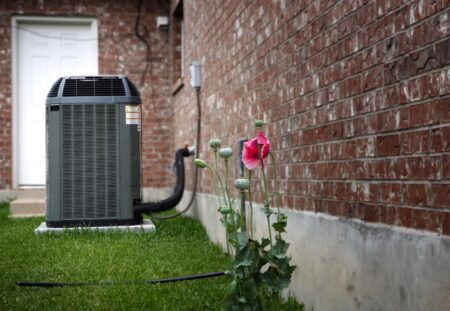
HVAC unit installed outside a brick home with green grass and blooming flowers, emphasizing the importance of HVAC maintenance for homeowners.

As a homeowner, you have many responsibilities on your plate. One of the most important is looking after your HVAC system. It’s necessary to schedule professional maintenance to protect your costly investment.

Your Warranty Requires It

Many homeowners aren’t aware of the fact that most HVAC manufacturers have annual maintenance requirements in their warranty contracts. If you read the contract for your heating or cooling system closely, you’ll likely discover that you’re required to get professional maintenance service performed on the unit at least once per year to keep your warranty active. Ensuring that you have warranty coverage on your heating or cooling system is a great reason to invest in regular maintenance by a licensed HVAC technician.

Ensure Optimal Operating Efficiency

There’s no denying the fact that paying to heat and cool your home can get costly for any homeowner. To ensure that you’re not throwing money down the drain, it’s in your best interest to get professional service on your equipment. A licensed HVAC technician will be able to lubricate moving parts, repair minor issues, and ensure that your HVAC system is operating as efficiently as possible. The more efficiently your system runs, the less money you have to spend on utility costs each month.

Extend the Lifespan of Your HVAC System

Purchasing a new heating or cooling system can be a costly investment. As with most people, you want to get the most life out of your investment. One of the best ways to do this is to have professional service performed on your HVAC system. When all of your system’s internal components are getting the care they need, they’re much less likely to prematurely wear out. Regular maintenance can help to extend the overall life of your system by years.

Be Alerted of Problems

Another hidden advantage of having a professional HVAC technician perform maintenance on your system is that they can let you know if there are any problems. From identifying dirty ductwork to underperforming parts, we can let you know where your HVAC system is falling short and how to fix the problem. This way, you can have it remedied before you need to rely on your HVAC system on a consistent basis throughout the long winter and summer months.

Learn About New Upgrades

One of the lesser-known advantages of regular HVAC maintenance is that you can learn about new HVAC upgrades that can make your life easier. From smart thermostats to higher-quality air filters, your HVAC technician can listen to your needs and provide you with information about new products. Unless you do your own research, it’s unlikely that you’re going to know about many of these available upgrades.

Understand How Much Longer Your System is Likely to Last

No one wants to be blindsided by a broken heating or cooling system that is beyond repair. These systems are expensive. When you get regular maintenance performed by a licensed HVAC technician, they can provide you with an estimated remaining lifespan for your system.

This will give you the ability to prepare your budget and look into necessary financing programs. This can help you pick the best funding route for your new system. Even better, you can schedule when your system gets upgraded so that it can be at a convenient time.

Reduce Your Risk of Unexpected Breakdowns

It can seem like there’s nothing worse than having a broken HVAC system when you need it the most. Fortunately, regular maintenance is a great way to help reduce your overall risk of experiencing an unexpected system breakdown. Most issues that your system may have can be identified when they’re small during regular maintenance so that you can get them fixed before they become a significant problem.

Peace of Mind

Apart from extending the lifespan of your system and ensuring optimal energy efficiency, regular HVAC maintenance is always a great way to provide yourself with peace of mind. When you have a service technician look over your system, you feel more confident about its operation. You don’t have to worry if it’s going to break down today or tomorrow.

Optimal Safety

Furnaces that burn heating oil, propane, and natural gas can let off harmful fumes. This includes carbon monoxide. When your heating system is operating correctly, these fumes are vented to the outside of your home. This keeps your home and family safe from harm. Having regular maintenance performed on your HVAC system helps to ensure that your furnace is properly vented so that no harmful fumes are making their way to the interior air that your family breathes.

Enhanced Indoor Air Quality

Part of our HVAC maintenance service is changing out the air filter on your system. This helps to enhance your system’s ability to remove harmful airborne pollutants. This, in turn, improves the quality of air inside your home. Even more so, your HVAC tech will take the time to clean your system’s internal components. This way, they don’t contribute to poor indoor air quality.

When to Schedule HVAC Professional Maintenance?

Now that you’re convinced that you need to get regular maintenance performed on your HVAC system, it’s time to discover just when to call in a professional technician. Your home heating system should be serviced by an HVAC technician in the early fall months. Your cooling system should be serviced in the early spring months. By scheduling service early, you can ensure that your HVAC system is ready to run efficiently.

Homeowner HVAC Maintenance

Apart from scheduling professional service for both your heating and cooling systems, it’s important to do your own maintenance to keep these systems operating at their peak efficiency level. One of the most important things you can do is to check and replace the air filter on your HVAC regularly.

Most homeowners will find that they need to replace their air filters every two to three months. However, many factors play a role in how quickly a filter becomes dirty, such as the number of pets and people regularly in your home. Do yourself a favor and check the state of your air filter each month. Make sure you have at least one spare filter on hand so that you can replace a dirty one when necessary.

It’s also a good idea to start off the summer and fall months by turning on your HVAC system and checking the airflow at each supply vent. You want to ensure that each vent is free from restrictions and delivers warm or cool air, depending on the season.

Call for Professional Maintenance Today

Hunt’s Services offers professional HVAC maintenance services for the entire Tacoma, WA area. Our helpful technicians can also assist with all of your cooling, heating, duct cleaning, and indoor air quality, including working with ductless mini-splits. Our plumbing services include water filtration, water heaters, sewers, and drains. You can also rely on us for electrical services, including installing generators and EV charging stations. Call our office today to schedule your next maintenance appointment.

The Ultimate Guide: How Often Should You Replace Your Furnace Filters?

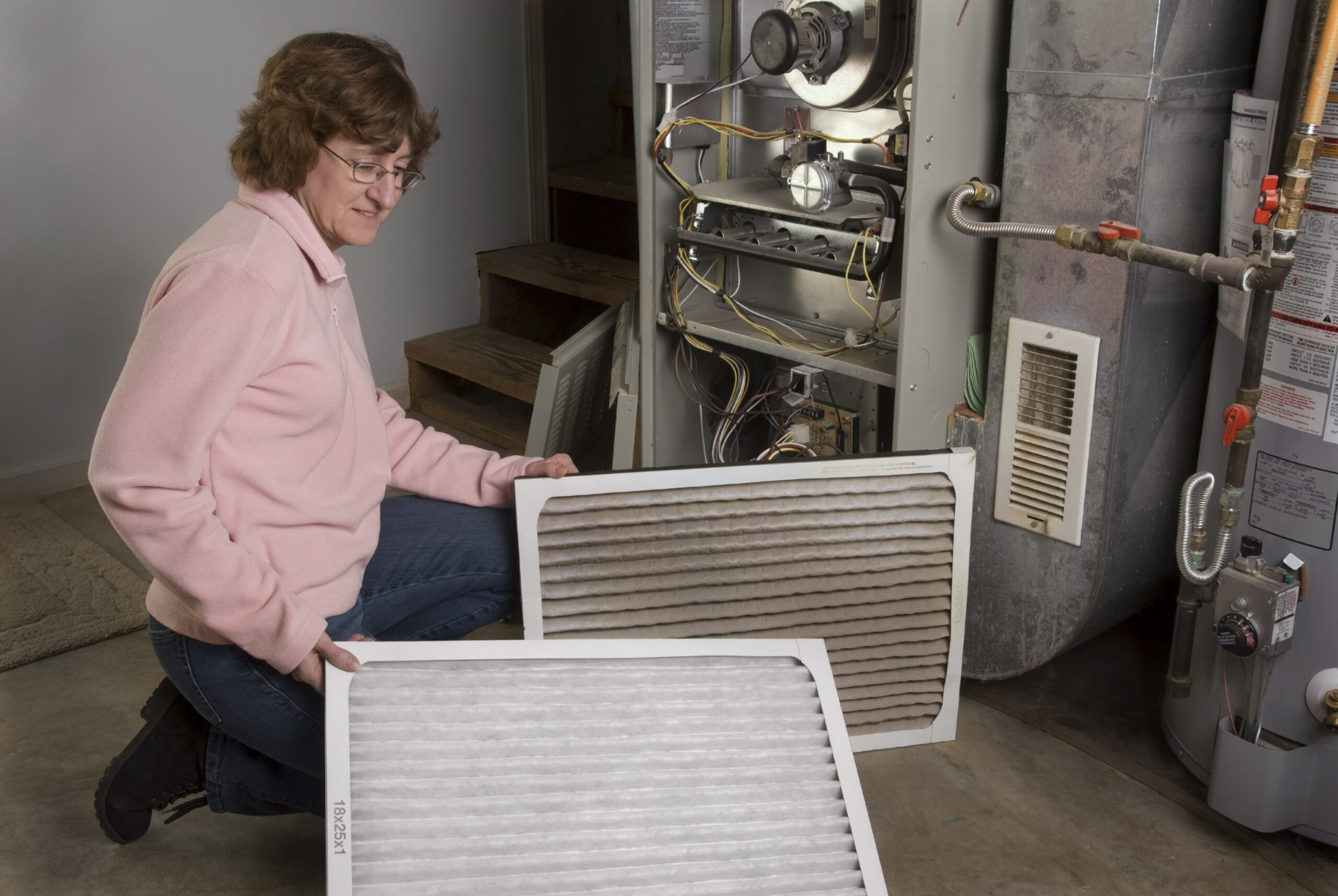
Woman replacing furnace filters while inspecting an HVAC system, emphasizing the importance of regular maintenance for indoor air quality.

Maintaining a comfortable and healthy home environment involves a variety of factors, and one crucial aspect often overlooked is the regular replacement of furnace filters. Your furnace works tirelessly to keep you warm during chilly seasons, and its filters play a vital role in maintaining indoor air quality and the efficiency of the system.

Why Furnace Filters Matter

Indoor Air Quality and Health

Furnace filters serve as the first line of defense against airborne pollutants such as dust, pollen, pet dander, and even bacteria. Regular replacement ensures cleaner indoor air and reduces respiratory issues. This is particularly important for households with children, the elderly, or individuals with preexisting respiratory conditions like asthma.

Extended Equipment Lifespan

A clean filter reduces the strain on your furnace’s blower motor and other components. Proper airflow is critical to preventing overheating and unnecessary wear and tear, ultimately extending the lifespan of your furnace.

Energy Efficiency

A clogged filter forces your furnace to work harder, leading to increased energy consumption and higher utility bills. When the filter is clean, air can flow freely, enabling your furnace to operate efficiently without excessive energy usage.

Preventing System Breakdowns

Neglecting to replace your furnace filter can lead to serious consequences. A clogged filter can cause the furnace to overheat, tripping safety switches and potentially leading to a complete system shutdown. Regular filter replacement helps avoid inconvenient breakdowns during the coldest days of winter.

Improved Comfort

A clean filter ensures consistent airflow throughout your home. When your furnace is operating at peak efficiency, you can enjoy a more comfortable living space with evenly distributed warmth.

Factors Influencing Replacement Frequency

Filter Type

Different filters have varying lifespans. Fiberglass filters typically last around 30 days, while pleated filters can last up to 90 days. High-efficiency filters can last even longer. Choosing the right filter type based on your household’s needs can help you achieve the desired level of air quality and system efficiency.

Household Size

The number of occupants in your home affects the rate at which pollutants are generated. A larger household with more people and potential allergen sources might require more frequent filter replacements to keep up with increased air contamination.

Pet Ownership

If you’re a pet owner, especially with shedding animals, your filters can quickly become clogged with fur and dander. More frequent filter replacements, especially if using lower MERV-rated filters, can help maintain a cleaner indoor environment.

Smoking Indoors

Smoking indoors introduces a host of harmful particles into the air, significantly reducing air quality. If smoking is allowed inside your home, you should consider changing filters more often to mitigate the effects on air quality.

Nearby Construction or Pollution Sources

If your home is situated near a construction site, industrial area, or an area with high levels of pollution, your filters might become dirty faster. In these situations, more frequent replacements are advisable to ensure adequate filtration.

Home Renovations

Renovations can stir up dust and debris, overloading your filters. During and after renovations, it’s a good idea to replace filters more frequently to prevent excessive buildup in the HVAC system.

Respiratory Conditions

If anyone in your household has respiratory conditions like asthma or allergies, consider more frequent filter replacements. Clean filters help reduce airborne allergens and irritants that can trigger symptoms.

Location

Climate and environmental conditions can influence how often you should change your filter. Areas with high pollen counts or frequent dust storms may require more frequent filter replacements to maintain indoor air quality.

By assessing these factors, you can determine a replacement frequency that aligns with your specific household conditions and needs. Remember, maintaining a consistent replacement schedule not only ensures better indoor air quality but also prolongs the life of your HVAC system.

Recommended Replacement Intervals

  • Every 30 Days: Standard Fiberglass Filters are the most affordable but need to be replaced monthly to prevent clogging.
  • Every 60 Days: Pleated filters offer better filtration and can last up to two months, but check them regularly for any signs of dirt buildup.
  • Every 90 Days: High-Efficiency Filters can effectively capture even tiny particles, making them ideal for allergy sufferers. They can last up to three months but should still be inspected periodically.
  • Seasonal Changes: Consider replacing your filter when transitioning between seasons to ensure optimal performance as weather conditions change.

Signs Your Filter Needs Replacement

Reduced Airflow

If you notice weaker airflow from your vents, you might have a clogged filter. Addressing this issue promptly can prevent strain on your furnace’s components and ensure consistent heating throughout your home.

Uneven Heating

Do certain areas of your home feel colder than others? A clogged filter can disrupt proper airflow, leading to uneven heating distribution. Regular filter replacements help maintain consistent comfort levels in every room.

Increased Energy Bills

A clogged filter forces your furnace to work harder, consuming more energy to achieve the desired temperature. If you’ve noticed a sudden spike in your energy bills, a dirty filter might be the culprit.

Noisy Operation

If your furnace has become louder than usual, it might be struggling due to restricted airflow caused by a clogged filter. Replacing the filter can restore smooth and quiet operation.

Persistent Odors

A dirty filter can’t effectively trap odors, allowing them to circulate throughout your home. If you’re noticing unpleasant odors despite regular cleaning, it’s time to replace the filter.

Dust Accumulation in Air Vents and Ducts

If you’re finding excessive dust collecting around your vents, it’s a sign that your filter isn’t doing its job effectively. Regular filter replacements can help reduce dust buildup and the need for frequent cleaning. Also don’t forget to check your HVAC ducts for dirt and debris. It is a good idea to have a duct cleaning at least once a year.

Allergy or Respiratory Symptoms

If you or your family members are experiencing an increase in allergy or respiratory symptoms like sneezing, coughing, or congestion, a clogged filter could be to blame. Fresh filters can help alleviate these symptoms by maintaining cleaner indoor air.

HVAC System Short Cycling

Short cycling refers to when your furnace turns on and off rapidly. A clogged filter can cause overheating and trigger safety switches, leading to this irregular operation. Regular filter replacements can prevent this issue.

Visible Mold Growth

Mold can thrive in damp environments, including clogged filters. If you notice mold growth on the filter or around the HVAC system, it’s crucial to replace the filter and address the moisture source promptly.

Age of the Filter

Even if you haven’t noticed any of the above signs, you need to follow the manufacturer’s guidelines for filter replacement. Over time, filters naturally lose efficiency, so replacing them at the recommended intervals is a proactive approach.

Staying vigilant to these signs and acting promptly to replace your furnace filter when needed ensures optimal indoor air quality, energy efficiency, and the longevity of your heating system.

Conclusion

Your furnace filter’s lifespan isn’t just a trivial detail; it’s a critical factor in maintaining a healthy and energy-efficient home. Regular replacements safeguard indoor air quality, optimize your furnace’s performance, and contribute to cost savings in the long run. Remember, different filters and household conditions require varying replacement frequencies. If you’re unsure about when to replace your filter or need professional assistance, turn to Hunt’s Services. Our HVAC experts in Tacoma are dedicated to ensuring your home remains a haven of comfort and well-being.

Don’t compromise on your indoor air quality and heating system efficiency. Contact Hunt’s Services today for expert HVAC services and make your home the epitome of comfort.

HVAC Heating and Cooling Spring Cleaning Tips and Tricks

Spring is here and that means spring cleaning for many people. You open the windows, air out the stale winter air, and do some vacuuming and dusting. But don’t forget about the maintenance of your HVAC system, either! When you’re spring cleaning the rest of your house, make sure you clean out your heating and cooling system, which has been working hard all winter long to keep you warm.

Your home’s HVAC system is essential to the comfort AND SAFETY of your family, and it can only do that if it is clean. Check out these tips to help you enjoy a safe and comfortable home this spring (and the rest of the year).

Maintenance of Your HVAC System

Before you do any cleaning, make sure the power to your HVAC system is turned off. That is most important for your safety. The last thing you want is to injure yourself. Even if you think you’ll be careful, it’s better to be safe; turn off your power as the first step any time you plan to work in or near your HVAC system. The reason is you don’t want your furnace or HVAC unit to come on while you are working on it.

There are a couple of ways you can turn off your furnace before you do any spring cleaning. Sometimes there is an on-off switch either on the furnace or close to it. Otherwise, you can go to your electrical panel and find the circuit that goes to the furnace and flip it to the off position. Also if you have a gas furnace or HVAC unit, such as a heat pump, you should turn the gas off to the unit. Find the gas line running into your HVAC unit and turn the gas valve coming into the furnace to the off position.

Clean Heating and Cooling Filters

Remove the filter in your HVAC system and replace it. Air is forced through the filter but that gets harder and harder for your HVAC system to do if the filter is clogged with dirt, dust, and debris. Replace your filter at least once every 3 months, depending on use and whether you have pets, allergies, and level of dust in your home. Only use filters that have been approved by the manufacturer so you don’t risk losing your warranty.

The filter to the furnace is typically where the cold air from the outside comes into the furnace. This can be on the furnace itself or in your house in the intake vent that leads to your furnace. For replaceable filters, there is usually a size of the filter marked somewhere on the filter. Find the filter at your local hardware store and replace it with the same size filter.

Some heating units have washable filters in which case take the filter to your sink or hose outside and run water over the filter until all dirt and debris have been washed off. A good tip is to write the date on the filter when you replace it, so you know when to replace it next. It is important to make sure the arrow on the filter is pointing in the direction of the airflow into your furnace. Central heat pumps and air conditioners will also use filters in the same way where they intake air into the unit.

Air Conditioning

If you have an external air conditioning unit, go outside and look at it. Make sure that the unit is free from debris that often accumulates around it during the fall and winter. Often, leaves and clippings will start to build inside the unit and at the vents.

While you’re looking at you’re air conditioning unit, clean the fan blades and the coils which can also pick up debris.

Clean Your Vents

Walk around the inside of your home and inspect your vents—the ones that blow warm/cool air FROM your HVAC system and the ones that pull air into your HVAC system. Make sure both types of vents are not blocked so that air can freely get in. This will not only ensure that you get clean fresh air throughout your house, it also helps you save money by keeping your HVAC system from doing too much work to draw in air.

Duct Cleaning

Think about the last time you had your ducts cleaned. If it isn’t in the last year then contact a company to come out and clean your ducts. All that dust and debris that accumulated over the winter can be removed so it’s not recirculating.

Proper duct cleaning is really a two part process to be effective. First remove debris and particulate matter that clings to your ducts and then suction to remove that debris. This is usually a job you cannot do without the proper equipment. Hunt’s Services HVAC technicians use Nikro negative air duct cleaning machines with compressed air whips that we run through each duct. The whips loosen all the dust and debris that collects in the duct system and then the negative air machine suck all the debris out of the system.

Reverse Your Ceiling Fans

Ceiling fans are a great way to reduce your energy bills by circulating the air in your home or business to either keep you warm or cool depending on the season. Make note of the direction of ceiling fan and make sure it is going in the correct direction. The general rule of thumb is the blades of the fan should turn clockwise in the winter, and the reverse in the summer. Run your ceiling fan at low speed in the winter to circulate your warm air and pull the warm air up and then push it downwards without creating a cooling effect from the fan.

Summary

Springtime is here and that means spring cleaning and enjoying the freshness of a new season. When you clean your home this spring, don’t forget about the HVAC system that has been working so hard all winter long, and reward it with a good cleaning… your HVAC system will run more efficiently and your family will be safer and more comfortable this spring!

5 Ways to Make Your Heating and Cooling Systems More Environmentally Friendly

We all have a responsibility to do whatever we can to protect the environment, as even implementing a few small changes can make a big difference over time. One method of making your home heating and cooling more environmentally conscious is reducing your energy consumption.

The good news is that limiting your energy use doesn’t have to make your life more difficult or your home less welcoming because you can easily invest in more efficient heating and cooling units, or make improvements to the systems that you already have.

The following HVAC tips can help you reduce your carbon footprint and assist you in doing your part to protect our environment for future generations.

1) Go with an Energy Efficient Furnace and Air Conditioner

If you have an older furnace or air conditioner in your home, it probably isn’t a high-efficiency model. In these situations, you’re likely using more energy that you need to, which is not only bad for the environment but is also costing you money every month.

In fact, some older furnaces only run at about 60% efficiency, while newer models are mostly above 95%, so you can see that there is a significant discrepancy.

Have a look at the age of your existing heating and air conditioning systems to see if it’s time for an upgrade. Remember that most furnaces last 15-25 years, and once you approach those years, you’ll probably start running into some costly repairs, making it cost-effective to replace the unit.

When the time does come to replace your system, commit to one of the more energy efficient models for the best results.

2) Invest in a Smart Thermostat

Your thermostat influences how much energy you use. The majority of homeowners turn their thermostat higher than it needs to be in the winter and leave the unit turned on while they’re not at home. Of course, no one wants to return to a cold home at the end of the day, so what’s the solution?

Why, a smart thermostat, of course. Smart thermostats have a variety of options, as you can control the temperature remotely through your phone or set it to turn on and off at certain hours. Perhaps the best benefit of a smart thermostat, however, is that it learns your schedule and will adjust the temperature in your house accordingly.

For example, if everyone is usually away between 8:00 AM and 5:30 PM during the week, the thermostat will pick up on this after a couple of weeks and start turning the furnace or air conditioning down when no one is there. It will then switch your system back on before you return home, so your house will always be a comfortable temperature when someone is there.

3) Install Some Heat Pumps

Heat pumps are highly efficient and can reduce the amount of energy you use heating and cooling your home. This point is particularly accurate if you’re currently using electric baseboard heaters or window-mount air conditioners, as heat pumps use up to 50% less electricity than these other devices.

There are a few different types of heat pumps on the market, so you can make a choice based on how much you want to spend and whether or not you want the unit to operate within your ductwork. No matter which version to go with, however, you can expect lower energy bills and a more environmentally friendly home.

4) Have Your Ducts Cleaned

It sounds simple, but having a professional company clean your ductwork could reduce the amount of energy that you use. When ducts fill up with dust and debris, your heating and cooling systems have to work harder to push air throughout the home, which means you’ll use more energy.

Go with a brush through and negative air duct cleaning service because this is the best way to get absolutely everything out of your ducts. A bonus is that cleaning your ductwork limits the dust and other pollutants that enter the air you breath in your home.

5) Maintain Your Heating and Cooling Units

A properly maintained furnace or air conditioner will always run more efficiently than one that is ignored. It makes sense when you think about it, as units that don’t receive regular maintenance end up with dirty filters and much like with clogged ducts, air can’t flow through the unit properly.

Luckily, your HVAC service provider can put you on a regular maintenance schedule, so you don’t have to worry about your furnace or air conditioner performing at anything less than an optimal level.

Doing Your Part for the Environment

As you can see, it doesn’t take much to reduce your energy consumption by making your HVAC system more efficient. And these steps won’t make your home any less comfortable; they will merely make it easier to keep your living spaces at the ideal temperature.

Hunt’s Services can help you with all of these jobs and will ensure that your home is not only as energy efficient as possible, but that you will never have to compromise your comfort as you become a more environmentally friendly family.