Why Do My Drains Keep Clogging? Top Causes and Fixes

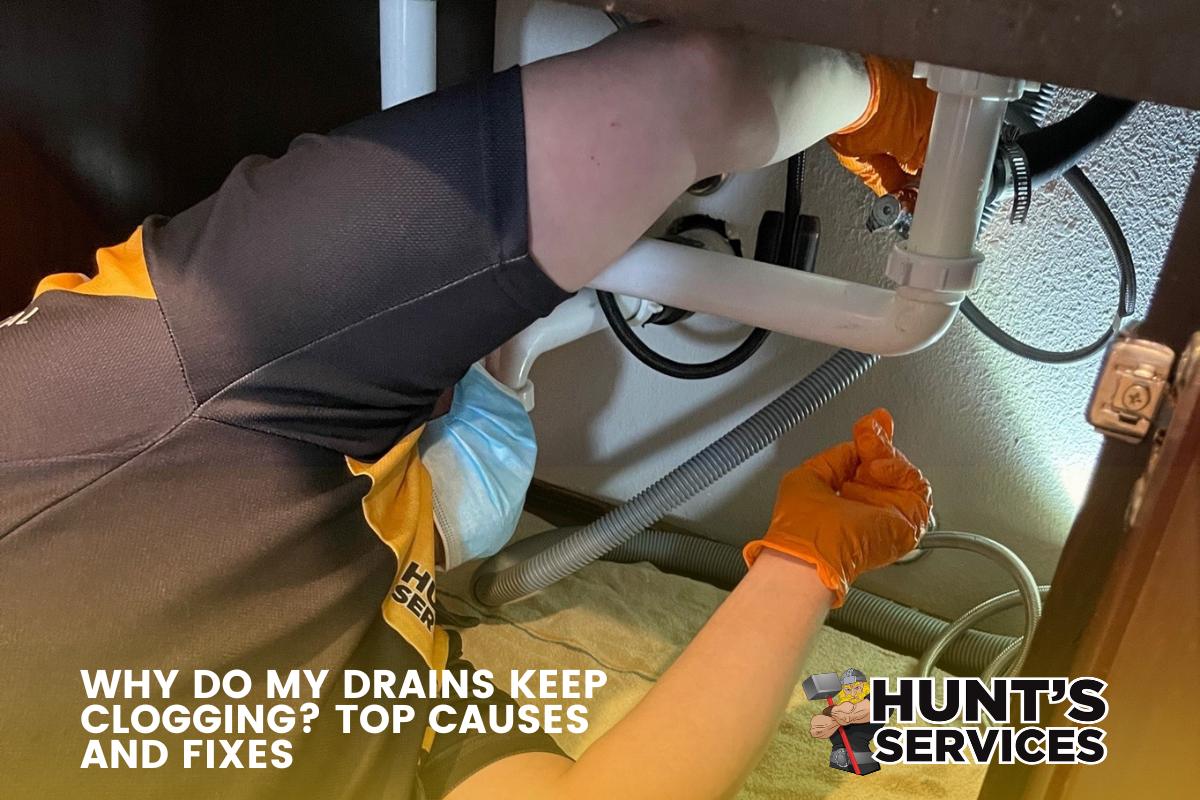
Plumber working under a sink wearing gloves and a mask, addressing drain issues, with Hunt's Services branding and text about drain clogging causes and fixes.

Understanding Why Drains Keep Clogging

If your sink or shower drain backs up repeatedly, it’s not just an annoyance; it may be a warning sign of more serious plumbing issues. Frequent clogs often indicate underlying issues such as aging pipes, inadequate drainage slope, or even sewer line obstructions.

These issues can lead to serious consequences such as water damage, mold growth, and even health risks if left unaddressed. The EPA warns that mold can develop within 24–48 hours after exposure to moisture, especially in areas with poor ventilation or inadequate drainage systems (EPA.gov).

Understanding what’s behind persistent clogs is the first step toward preventing damage—and saving money on costly emergency repairs.
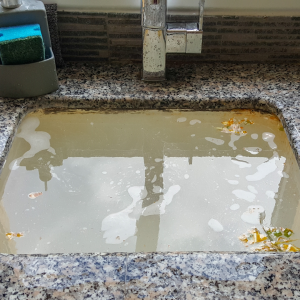
Clogged kitchen sink filled with dirty water and debris, illustrating common plumbing issues related to drain blockages.

Top Reasons Drains Keep Clogging

Hair and Soap Scum in Bathroom Drains

Bathroom clogs are typically caused by hair binding with soap residue, forming sticky clumps that narrow your pipes over time.

Prevent it: Install a drain catcher in your tub or shower and pour a monthly vinegar and baking soda mix to help dissolve buildup.

Grease, Food, and Debris in Kitchen Sinks

Even if you have a garbage disposal, kitchen drains are prone to clogs from food particles and especially fats, oils, and grease (FOG). When poured down the drain, grease cools and hardens inside pipes, restricting flow and collecting other debris.

Prevent it: Dispose of grease in the trash and avoid rinsing fibrous or starchy foods. The EPA notes that FOG is a common cause of blockages in sewer systems (EPA.gov).

Need help?Schedule a kitchen drain cleaning with Hunt’s Servicesto avoid backups.

Flushing Non-Flushables

Your toilet isn’t a trash can. Items like wipes (even “flushable” ones), paper towels, cotton balls, and feminine hygiene products don’t break down like toilet paper and can easily clog your plumbing or sewer main.

Tip: The EPA recommends flushing only human waste and toilet paper (EPA.gov).

Tree Root Intrusion in Outdoor Lines

Roots naturally seek moisture and can infiltrate sewer lines through small cracks or joints—especially in older homes with clay or cast-iron pipes. Once inside, they expand and cause severe blockages.

Pro Tip:Hunt’s Servicesoffers camera inspections to detect root intrusion early—before it results in a sewer backup.

The National Association of Home Builders (NAHB) notes that aging infrastructure is a growing concern, especially in regions with mature housing stock (NAHB.org).

Poor Pipe Slope or Aging Plumbing

Homes constructed before the 1980s, like many in Tacoma, often have deteriorating pipes or improper drain slopes, which can trap debris and increase the risk of clogs.

If your home experiences frequent clogs despite your best efforts, a slope or pipe material issue may be the cause.

Warning Signs You Shouldn’t Ignore

Don’t wait until water is backing up into your bathtub. Common warning signs of drain problems include:

  • Gurgling Sounds: May indicate a venting issue or air trapped behind a clog.
  • Multiple Slow Drains: Often a red flag for a main sewer line problem.
  • Persistent Odors: Foul smells can signal decaying organic matter or stagnant water in pipes.

Take action early:Contact Hunt’s Servicesto inspect your drains before a small issue becomes a major repair.

DIY Fixes vs. When to Call a Professional

Safe DIY Methods

  • Use a plunger or a hand-crank snake to dislodge minor blockages.
  • Try a mix of baking soda and vinegar followed by hot water to help clear buildup.

Caution: Be careful with chemical drain cleaners. According to plumbing safety guidance, these harsh chemicals can corrode older pipes over time and may create toxic fumes.

When It’s Time for Pros

If you notice:

  • Recurring clogs that return soon after clearing
  • Multiple drains affected at once
  • Foul sewer odors or bubbling in toilets

…it’s time to bring in a licensed professional.Hunt’s Servicesutilizes tools such as hydro jetting and high-definition camera inspections to eliminate clogs at their source and assess the overall health of your entire drainage system.

Long-Term Solutions to Prevent Clogs

Schedule Preventive Drain Maintenance

Biannual professional cleanings can help prevent most major clogs. This also gives your plumber a chance to identify developing issues like corrosion or root infiltration early.

Pro Tip: Ask aboutHunt’s Services maintenance plansfor seasonal checkups and member discounts.

Build Better Habits at Home

Simple changes make a big difference:

  • Use drain screens in tubs and sinks.
  • Never pour grease down the drain—store it in a jar and throw it out.
  • Post a reminder near toilets: flush only the “3 P’s”—pee, poo, and (toilet) paper.

Install Grease Traps or Drain Covers

These low-cost devices physically block solids and oils from entering your pipes. AHunt’s Services techniciancan recommend the right ones for your sinks, tubs, or laundry room drains.

Why Hunt’s Services Is Your Local Drain Expert

For over 20 years, Hunt’s Services has helped homeowners across Tacoma and South King County prevent plumbing problems before they start. Our technicians are licensed, experienced, and follow a no-pressure, flat-rate pricing model to ensure your peace of mind.

We do not upsell or surprise our clients; we emphasize lasting, professional repairs built on trust and transparency.

Ready to get proactive?Schedule your inspection todayorcontact us onlineto learn more about how we can help protect your home’s plumbing.

End-of-Summer Drain Cleaning Tips for University Place Homes

Hunt's Services logo featuring a muscular character with a hammer, set against a forest background, representing home maintenance and repair services for Parkland, Washington.

Why Late Summer Is the Right Time

As summer fades and cooler weather approaches in University Place, many homeowners turn their attention to fall routines. But before the rains return and leaves begin to fall, there’s a crucial home maintenance task that should be addressed: drain cleaning.

At Hunt’s Services, we understand how the transition from summer to fall can bring hidden plumbing challenges. Increased summer activity, dry weather, and aging infrastructure all contribute to potential blockages that reveal themselves only when the first autumn storm hits. This guide provides University Place residents with everything they need to know to prepare their home drainage systems for the rainy season.

Why Drain Cleaning Matters Before Fall

Homeowners in University Place face unique seasonal plumbing challenges. The end of summer is one of the most important times to address drainage health. Here’s why:

  • Summer buildup: Heavy usage of sinks, showers, outdoor hoses, and garbage disposals during the summer can lead to grease, food, soap, and debris accumulation in drains.
  • Root intrusion: Tree roots are more likely to invade aging sewer lines at the end of a dry summer as they seek moisture, weakening pipe integrity.
  • Storm surge: Early fall rains place stress on already-compromised drains, quickly exposing any weaknesses through backups or slow drainage.

Drain issues that might have gone unnoticed during dry weather often escalate dramatically once rain begins. Our technicians commonly see a spike in emergency calls immediately after Labor Day, most of which could have been prevented with end-of-summer drain cleaning.

How to Spot Drain Issues Early 

Before hiring a professional, University Place homeowners can take a few minutes to inspect their drains. Performing a basic visual and auditory inspection can help identify the early warning signs of trouble.

Check for:

  • Slow-draining sinks or tubs: Water that pools or drains slowly may indicate partial clogs.
  • Unpleasant odors: Foul smells from drains often signal trapped food, grease, or bacteria buildup.
  • Gurgling sounds: Bubbling or gurgling sounds when water drains are signs of airflow problems, often due to blockages.
  • Outdoor pooling: Standing water near outdoor drains or sewer cleanouts could point to underground blockages or root intrusion.

Spotting these signs early can help you avoid more serious issues once the fall rains begin.

Five Essential End-of-Summer Drain Cleaning Tips

University Place homeowners can take a proactive approach to drain maintenance by following these five seasonal best practices:

  1. Remove Surface Debris and Hair
    Use a plastic barbed tool or drain snake to pull hair and debris from bathroom sink and tub drains. This inexpensive step helps prevent minor clogs from becoming bigger problems.
  2. Flush Drains with Boiling Water and Natural Cleaners
    Avoid chemical drain cleaners that can corrode pipes. Instead, pour boiling water down the drain followed by a mixture of baking soda and vinegar. This natural combo helps break down grease, soap scum, and minor blockages.
  3. Clean Garbage Disposal Blades and Interior
    Disposals accumulate food residue, which can clog the drain or cause odor. Clean them by running ice cubes and citrus rinds to scrub blades and deodorize.
  4. Inspect and Clear Outdoor Drains and Gutters
    Yard drains, gutters, and downspouts need to be clear before the fall rains arrive. Clogged outdoor drainage can cause water to back up into the foundation or lead to sewer line pressure.
  5. Schedule a Professional Hydro-Jet Cleaning
    For persistent slow drains, recurring blockages, or gurgling, consider a full pipe inspection and hydro-jet cleaning. This high-pressure water cleaning technique removes deep blockages, roots, and residue without chemicals.

Risks of Delaying Drain Maintenance

Waiting until fall or winter to clean your drains could lead to significant consequences:

  • Emergency plumbing calls: Blocked toilets, flooded basements, and sewage backups are costly and disruptive.
  • Water damage and mold growth: Overflowing drains can lead to hidden leaks behind walls or under floors.
  • Sewer line damage: Unchecked root growth or internal pipe pressure can cause structural failures requiring excavation.

Preventive drain maintenance is more affordable and less invasive than reactive emergency service.

Why University Place Homes Are More Vulnerable

Many homes in University Place were constructed in the 1970s or earlier, making them more prone to plumbing problems such as:

  • Deteriorating cast iron or clay pipes
  • Lack of backwater valves or modern traps
  • Heavy root intrusion from mature landscaping
  • Leaf accumulation that blocks gutters and storm drains

Older infrastructure combined with seasonal weather changes creates a higher risk of drainage failure if not proactively maintained.

Hunt’s Services: Your Local Drain Experts

Our plumbing team specializes in understanding the specific needs of University Place homes. Hunt’s Services offers seasonal specials including drain cleaning and camera inspections. Our trained technicians use safe, effective techniques like hydro-jetting and trenchless camera evaluations to diagnose and resolve hidden issues before they become emergencies.

We don’t just clear clogs, we help homeowners build a year-round plan for healthy plumbing systems.

Get Your Drains Fall-Ready Today

University Place homeowners: don’t let the end of summer pass without giving your drains the attention they need. A little prevention now can save thousands later in emergency repairs and water damage.

Book your professional drain cleaning and inspection with Hunt’s Services today. Call our team or schedule service online in under a minute.

FAQs

Q: How often should I clean my home drains?
A: Most homes benefit from professional drain cleaning once a year. If you have large trees nearby or have experienced past clogs, twice a year may be necessary.

Q: Are store-bought chemical cleaners safe?
A: We recommend avoiding chemical cleaners. They can corrode pipes and often provide only temporary relief. Natural cleaners or professional hydro-jetting are safer and more effective.

Q: What is hydro-jetting and when is it used?
A: Hydro-jetting uses high-pressure water to remove built-up grease, sludge, and even tree roots from inside pipes. It’s ideal for severe or recurring clogs.

What Causes Drain Clogs in the Tacoma–Seattle Area?

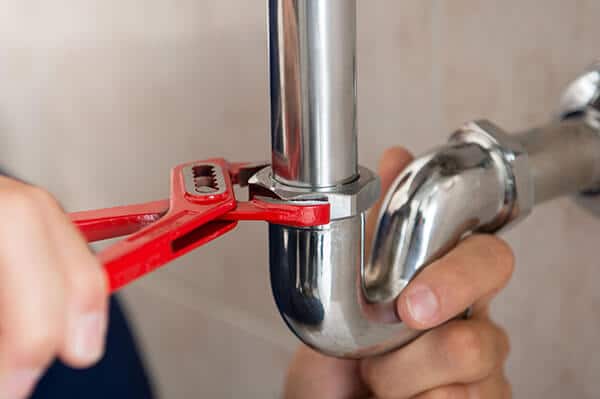
Plumber using a red adjustable wrench to tighten a pipe fitting in a residential plumbing setting, illustrating professional plumbing services related to drain maintenance and repair.

Local Plumbing Experts Share Tips Every Homeowner Should Know

TACOMA, WA – June 6, 2025 – If you own a home in the Puget Sound area, chances are you’ll eventually deal with one of the most common and frustrating plumbing issues: slow or clogged drains. To help homeowners in Tacoma and Seattle avoid expensive plumbing repairs, Jason Hunt, licensed plumber of over 30 years and founder of Hunt’s Services, is shedding light on the most frequent causes of clogged drains and how to prevent them before they start.

Top 4 Reasons Drains Clog in Tacoma–Seattle Homes

1. Tree Root Intrusions
“In older neighborhoods like North Tacoma or Capitol Hill, roots from large trees often grow into sewer lines looking for moisture,” says Jason. “It’s a slow but serious issue that can eventually block your entire pipe.”

Root penetration is most common in homes built before the 1970s when the original clay or concrete sewer pipes remain in place. Both of these materials will crack or get loosened joints where the pipes come together, allowing roots nearby to enter and grow inside. If the roots enter your drain lines, they will create an interlacing structure that traps solids, grease, and other blockages which can ultimately result in completely clogged pipes or even worse pipe failure. Warning indications are regular backups, sluggish drains, and areas of abnormally bright grass over the line.

2. Grease and Food Waste
“Even small amounts of grease poured down the sink can harden inside your pipes, especially in our cooler climate,” Jason explains. “Over time, it traps other debris and causes major clogs.”

People often assume hot water will wash grease away however as it cools in your drain line, it solidifies and sticks to the pipe walls. Add bits of food, soap scum, and hair, and you’ve got the perfect recipe for a stubborn clog. Foods like pasta, rice, eggshells, and coffee grounds are also notorious for sticking and swelling in pipes. The best practice is to scrape every bit of food into the trash or compost before washing dishes.

3. Flushable Wipes and Hygiene Products
“Despite the label, most flushable wipes don’t break down like toilet paper,” Jason warns. “They often get caught in sewer lines and lead to backups, especially when combined with tree roots or grease.”

What might seem like a harmless inconvenience can be a plumbing disaster. Wipes, sanitary products, cotton balls, and even paper towels don’t break down easily in water, and when several are flushed at once, they produce dense clogs. These clogs are a leading cause of sewer overflows in single-family residences and apartment or condo buildings.

4. Old Pipes in Older Homes
It is conservatively estimated that the majority of homes built before 1980 in Seattle, Tacoma, and the surrounding areas still utilize outdated drain and sewer pipe materials. Galvanized steel corrodes inwardly, narrowing water flow. Orangeburg, a tar-based soft pipe commonly utilized during mid-century construction, is highly prone to collapse. Clay and concrete pipes are more likely to crack due to ground movement, root pressure, or corrosive sewer gases.

“These aging systems clog easily and can fail without warning,” Jason says. “Many homeowners don’t even know what type of piping they have until something goes wrong.” Tacoma’s damp winters and shifting soils only make things worse, putting older plumbing systems under constant stress.

How to Prevent Drain Clogs: 4 Essential Tips for Homeowners

1. Use Drain Strainers

Catch food scraps, hair, and debris before they enter your plumbing system. Strainers are inexpensive, easy to clean, and highly effective at preventing foreign objects from reaching your main drain lines.

2. Flush Pipes Naturally

Once a month, use a mix of baking soda and vinegar to clear minor buildup. Pour half a cup of baking soda down the drain, followed by a cup of vinegar. Let it fizz for 15 minutes, then rinse with boiling water. Avoid harsh chemical cleaners because they may work temporarily but can corrode older pipes, damage septic systems, and pollute local water supplies.

3. Schedule Annual Inspections

If you’ve noticed recurring drainage issues, or if your home is more than 20 years old, it is recommended that you have an annual inspection by a licensed Seattle plumber who can detect root intrusions, buildup, or early signs of pipe failure. Licensed Tacoma plumbers, such as Hunt’s Services, use sewer cameras to inspect the full length of your drain lines, allowing them to pinpoint small problems before they turn into costly emergencies.

4. Replace Old Drain Lines

Replacing outdated or damaged sewer lines is often the most cost-effective long-term solution. Modern materials like PVC, ABS, and HDPE are stronger, more resistant to corrosion, and have smoother interiors that resist buildup.

Hunt’s Services offers both traditional and trenchless pipe replacement options. Trenchless technology allows technicians to replace underground pipes without digging up your yard, patio, or driveway — making it a great option for homeowners who want a permanent fix with minimal disruption.

“Many emergency service calls come from homeowners with no idea they had old or deteriorating pipes under their home,” Jason notes. “That’s why we recommend regular inspections, especially if your home was built before the 1980s.”

Limited-Time Offer: Free Drain Assessment for Local Homeowners

To help local homeowners prevent drainage issues before the rainy season intensifies, Hunt’s Services is offering free visual drain assessment for the next two weeks. Tacoma and Seattle residents can schedule an inspection online at www.huntsservices.com or call 253-220-4688

This limited-time offer is especially helpful for homeowners who haven’t had their pipes checked in years. Whether you’re concerned about tree roots, grease buildup, or the age of your system, a free inspection can offer peace of mind and catch problems before they escalate into expensive sewer and drain repairs.

About Hunt’s Services
Hunt’s Services is a family-owned and locally operated plumbing, HVAC, and electrical company serving the greater Tacoma–Seattle area. With over 3,000 five-star reviews, Hunt’s is trusted for its quality craftsmanship, honest pricing, and reliable service. The company provides emergency response, same-day repairs, and full system installations.

Media Contact:
Faruk Oyebanjo
Director of Marketing, Hunt’s Services
Phone: 253-220-4688
Website: https://www.huntsservices.com