
Ways to Safely Thaw Frozen Pipes in Your Tacoma, WA Home

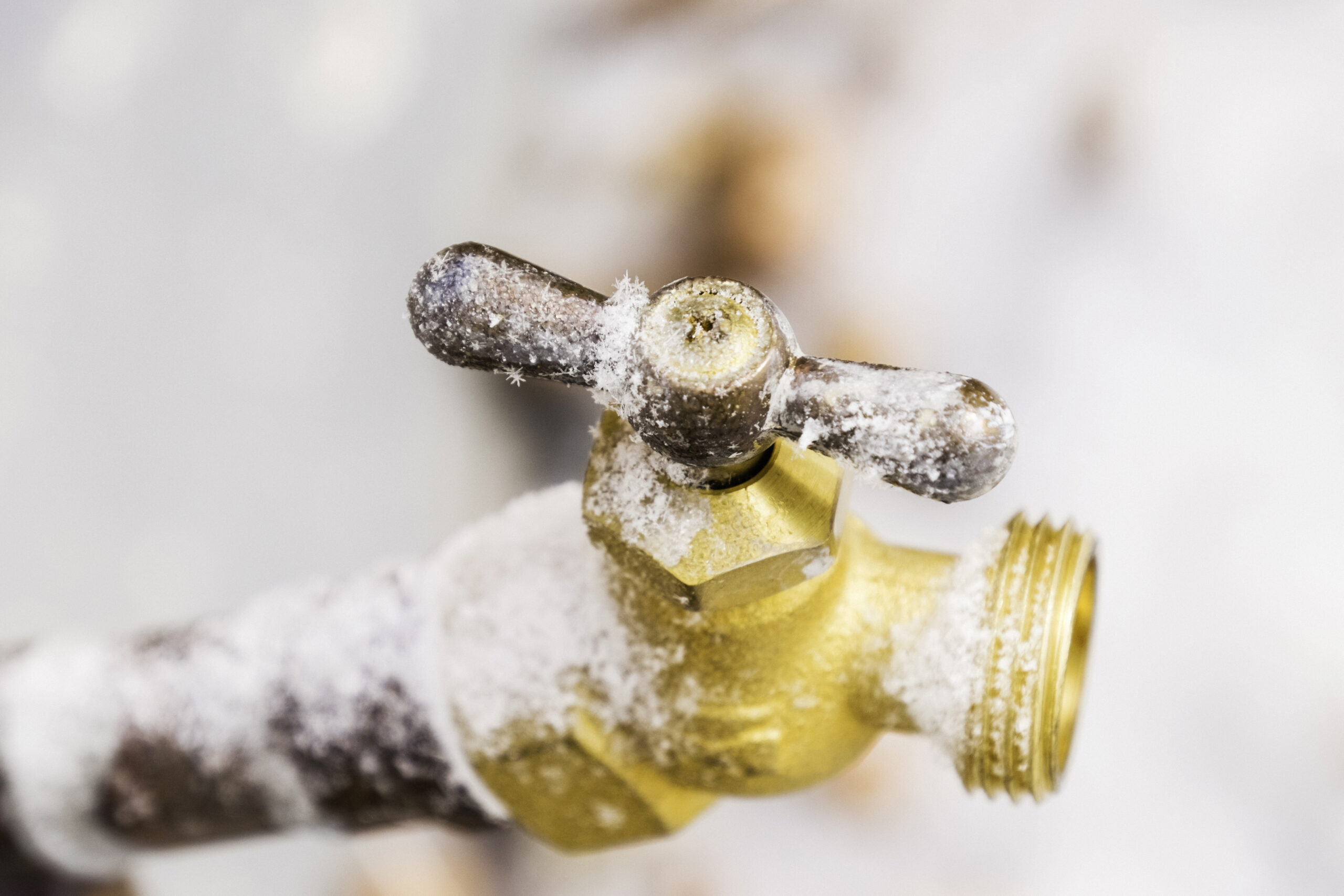
Frozen outdoor faucet with ice crystals, highlighting plumbing issues related to winter in Tacoma, WA.

Of all of the plumbing issues that could afflict homes in Tacoma, WA, frozen pipes are among the most serious. It’s the kind of problem that can seem like a minor inconvenience at first. However, if you don’t handle the problem correctly, it can turn into a major disaster for your home. That’s because frozen pipes are at risk of bursting, which can, in turn, flood your home.

To get an idea of the kind of damage your home might suffer, consider that the average insurance claim following a burst pipe is an eye-popping $7,000, according to the Insurance Information Institute. The good news is that you can avoid a catastrophe like that if you learn how to safely thaw a frozen pipe, and when to call for help. Here’s everything you need to know.

How to Tell if You Have a Frozen Pipe

The first thing you’ll need to know is how to spot the signs of a frozen pipe. You should know that any pipe exposed to temperatures below 20 degrees Fahrenheit for several hours or more is at risk of freezing. It can even happen at higher temperatures if you have any pipes exposed to drafts, too. The most obvious sign that you have a frozen pipe is if one or more of the sinks in your home suddenly suffer weakened or nonexistent water flow. If you’re dealing with a frozen drainpipe, you might notice an odd smell coming from one or more of your home’s drains.

Another way you might spot a frozen pipe is if you notice frost on any exposed pipe sections in your home. If there’s frost on the outside of the pipe, there’s a good chance there’s ice inside it, too. This can happen to pipes running through uninsulated parts of your home, like basements and garages. It can also happen to pipes running through your home’s attic, where the insulation present keeps heat from reaching them.

What to Do First if You Believe You Have a Frozen Pipe

If you believe your home has a frozen pipe, the first thing you’ll need to do is try and localize the problem. For water supply pipes, you can do this by turning on all the faucets in your home. If one or more of them don’t have water flowing to them, this means the problem is somewhere in their supply lines. For multiple sinks, inspect the supply lines before the point where they split off to feed each affected sink. For a single sink, look at its supply line, beginning under the sink and working your way backward.

If it’s a drain that you think is frozen, the same logic applies. If the problem affects multiple drains, the frozen section is likely somewhere in a main drain line. If it’s a single sink, the problem may be right underneath the sink itself.

Once you locate a frozen supply pipe somewhere in your home, you should turn off your home’s water supply immediately. The reason for this is simple. It’s that there’s always a chance that your frozen pipe has already burst. There’s also a chance that there’s more than one pipe section affected, so it’s best not to take any chances by leaving the water on. Then, you should turn on the affected sinks. This will provide a way to relieve the pressure inside the pipes as the ice thaws.

Safely Thawing a Frozen Pipe

Your next task after finding the affected section of pipe is to slowly thaw it out. It’s important to do this in a controlled manner so you don’t end up harming your pipes in the process. The first step is to visually inspect the frozen section of pipe to look for any signs of splits, damage, or deformation. If anything about the pipe looks odd, or if you can’t be certain there’s no damage, your best bet is to immediately call a professional plumber.

If the frozen pipe section looks like it’s intact and undamaged, you can proceed to thaw it out. The simplest way to do it is to soak some towels in hot water, wring them out, and wrap them around the frozen pipe. You will need to replace the towels every 10 to 15 minutes or so, depending on the temperature in your home. Doing this should melt the ice in the pipe over about an hour or two.

For a slightly neater way to thaw your frozen pipe, you can use a small heating pad in place of the wet towels. If you choose this method, keep the heating pad on low and leave it on for as long as it takes to thaw the pipe. This is the best way to avoid doing any inadvertent damage to your pipes in the process.

If you can’t quite reach the frozen section of pipe, you can place a space heater nearby to apply heat indirectly. Or, if you have the patience, you can use a hairdryer to do the same thing. In either case, you should resist the urge to apply extreme heat too close to the pipe. Otherwise, you risk damaging the pipe as the ice thaws.

Checking for Damage

Once you believe that there’s no more ice in your affected pipe, the next step is to partially turn your home’s water supply back on. Once you do that, examine the section of pipe that was frozen and look for signs of leaks or other damage to the pipe. If you don’t see any, check the faucets that previously had little or no water supply to see if they’re running. If everything seems to check out, fully restore your home’s water supply and repeat the inspection. If there are no visible leaks and the water flow to your faucets is back to normal, you’ve likely succeeded in safely thawing your pipes.

It’s important to remember, however, that your home’s plumbing is more delicate than you might imagine. It isn’t designed to deal with ice, and not every type of damage is visible to the untrained eye. For that reason, you should always consider calling Hunt’s Services for help when you have a frozen pipe, especially if you’re not confident in your DIY skills.

Prevent Future Freezes

To prevent frozen pipes, consider having a plumber insulate exposed pipes, especially in areas prone to cold, like basements and attics. Letting a trickle of water run from faucets during extreme cold can prevent freezing. Also, keep your home’s temperature consistent during cold snaps and consider smart home devices to monitor temperatures in critical areas. Regularly inspect your plumbing for any cracks or leaks, as even small vulnerabilities can lead to big problems in freezing temperatures. Remember, prevention is key to avoiding the stress and cost of dealing with frozen pipes.

Contact Tacoma’s Trusted Plumbing Team

Here at Hunt’s Services, we’ve served the residents of Tacoma for over a decade, offering comprehensive plumbing, HVAC, sewer and drain, and electrical services. Our fully licensed and insured team of expert plumbers can help you thaw a frozen pipe without risking additional damage to your home. We can also help you prevent issues in the first place. We’re a Better Business Bureau-accredited business with an A+ rating, so you can be confident you’re working with the best when you call on us. Our countless five-star customer reviews provide an even further testament to that. So, for frozen pipes and all other plumbing services for your Tacoma home, call the experts at Hunt’s Services today.

Protect Your Home from Frozen Pipes with These Strategies

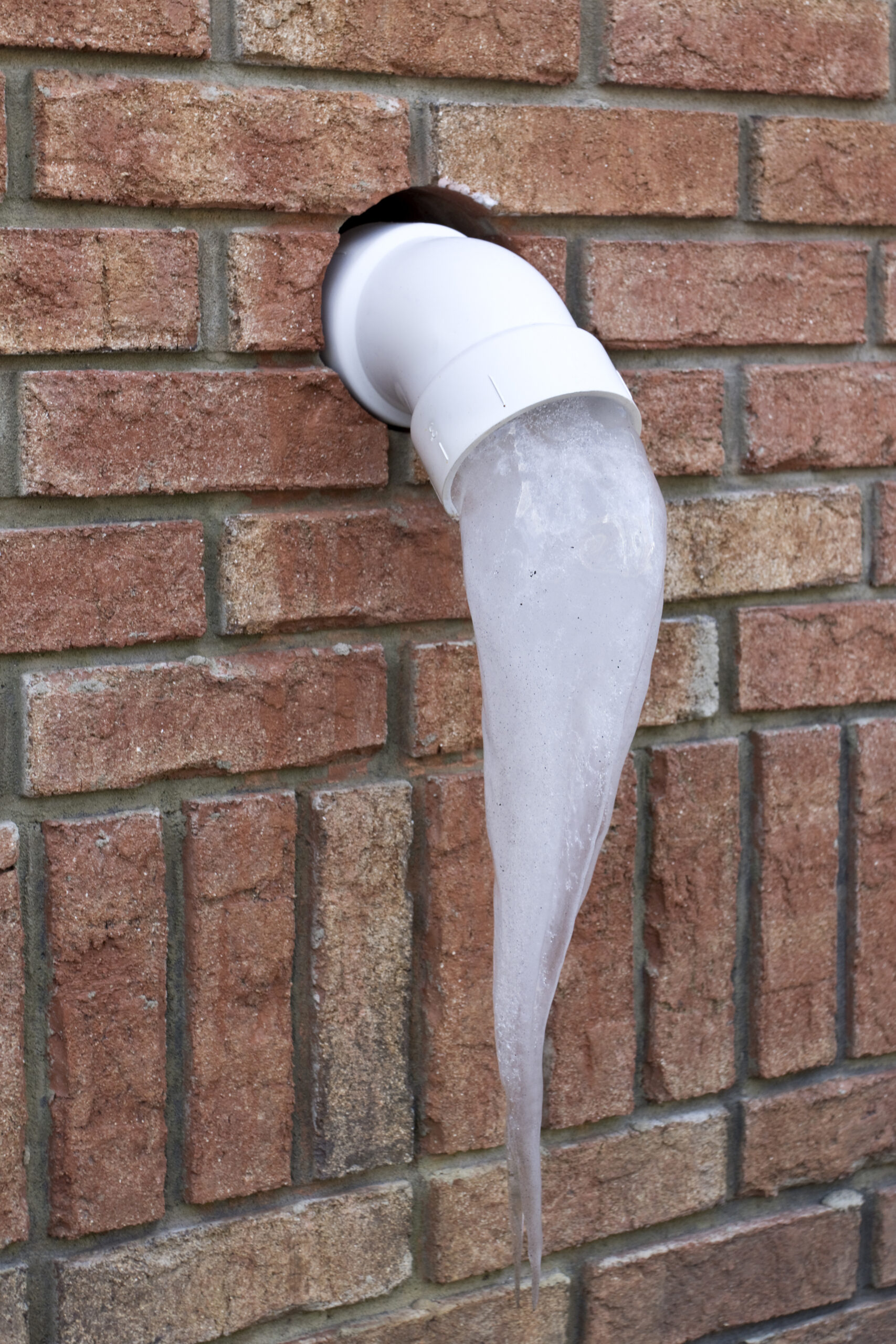
Frozen water icicle protruding from a white pipe on a brick wall, illustrating the risk of pipe freezing during winter months.

Making a snowman, drinking hot cocoa, and cuddling up in front of a roaring fire are just a few things we look forward to in the winter months. However, winter also brings with it the icy chill that can cause pipes to freeze. This issue can result in water damage and costly repair bills. This doesn’t have to be the case, though. Find out why pipes freeze and what you can do to prevent this from happening in your home.

Why Pipes Freeze

When the temperatures dip below freezing, having too little insulation or not enough heat in your home can put you at risk for frozen pipes. When water freezes, it expands and can cause the pipe to burst. Burst pipes unleash a flood of water, and the damage can be a costly nightmare.

The good news is that this scenario can often be prevented by ensuring that your home stays warm and that plumbing is protected. Areas of the home that are the most vulnerable to the cold are basements, attics, and crawl spaces. Outdoor faucets, as well as exposed pipes, are also at risk of freezing.

Possible Signs of Freezing

Sometimes you will be fortunate enough to spot clues that a pipe is at risk of bursting or cracking. Watching for signs of potential freezing can help identify problems before they become worse.

Here’s a list of warning signs that you should keep an eye out for:

  • Reduced water flow
  • No water
  • Whistling or gurgling noises
  • Frost on pipes
  • Visible cracks or leaks
  • Fluctuating water temperatures
  • An unexpected increase in water bills

Preventative Measures

Before winter officially hits, you should focus your efforts on creating a protective barrier around your pipes to keep them protected from the cold.

The tips outlined below will help prevent frozen pipes.

Insulate Vulnerable Areas

Crawl spaces, attics, and basements are three areas that are often overlooked when it comes to insulation. Make sure to have a good, thick layer of insulation in these areas to block out the cold air from creeping in. Wrap exposed pipes in insulating covers or with heat tape.

Seal Cracks and Crevices

Hunt down sneaky drafts and seal them up. Tiny cracks can be a major source of drafts. They occur around window and door frames, as well as around window air conditioners and around your foundation. One way to stop this is by sealing cracks and crevices with silicone caulk and weather stripping.

Don’t Forget the Garage

If your garage is attached to your home, ensure it is well-insulated. Consider insulating garage doors and any pipes that exist in the garage.

Set the Thermostat

Before you leave the house, set your thermostat to a temperature that is warm enough to keep away the icy cold air. The U.S. Department of Energy suggests keeping your thermostat at 68 degrees or higher when you’re home and 55 to 60 degrees when you leave. Don’t go too low, as its not worth the risk of developing freezing pipes to save a few dollars on your energy bill.

Open Cabinet Doors

Opening cabinet doors under the sinks in the kitchen and bathroom can promote better air circulation and keep the pipes warm. The heat from nearby living spaces will circulate in and around the pipes to chase away drafts and cold air.

Smart Home Devices

Invest in smart home technology that allows you to monitor and control your home’s temperature remotely. Bluetooth apps can help you stay on top of your home situation.

Ask a Neighbor for Help

If you have a close friend or neighbor that you trust, ask them to check on your home while you’re gone for extended periods of time. Flushing the toilets, running water down the sinks, and running the bathtub faucets for a few minutes now and again will keep things flowing to prevent ice buildup in the pipes.

Winterize Your Outdoor Faucets

Before winter arrives, make sure to turn off the water to your outdoor faucets and disconnect garden hoses. You can also get faucet covers for your outdoor spigots that will retain the heat from the pipes to keep them warm.

Drip Faucets

A dripping faucet is normally not something you want because of water waste, but in this case, it may help keep your pipes from freezing. One drop at a time is all you need to keep the water in the pipes moving. When water is moving, it is less likely to freeze.

What to Do If Your Pipes Freeze

If you missed the opportunity to prepare and woke up to discover your pipes froze during the night, stay calm. There are things you can do to try to correct the situation. First, locate your main water shut-off valve and turn the water off so there isn’t any new water moving into the pipes or creating any kind of water pressure inside of your plumbing system.

Next, try to slowly warm the area where the pipes are frozen. You can use a small portable heater a good distance from the pipes, a heating pad, a hair dryer, or towels warmed in the dryer for a few minutes to gradually thaw the pipes. The goal is to create a slow thaw rather than adding too much heat at one time.

Once the pipes have thawed, you can safely turn the water back on. If you notice any leaks after the water is restored, call a plumber for necessary plumbing inspections and repairs.

It is beneficial to keep extra insulation on hand for quick fixes. If you haven’t wrapped your pipes, before the next freeze is the perfect time to take action.

Wrap Up

Every precaution you take, from wrapping pipes in insulation to disconnecting outdoor faucets, contributes to fortifying your plumbing system. Keeping your home warm and protected from the cold goes a long way toward preventing plumbing emergencies like frozen pipes and water damage from burst pipes.

If you need plumbing repair or would like more tips to keep you comfortable and safe this winter, contact us at Hunt’s Services. If you reside in the Tacoma or Puget Sound areas, we are your go-to for all things plumbing. Our skilled plumbers can thaw frozen pipes, repair leaks, and clean your sewer drains. We would be happy to help you determine what kind of preventive action is necessary to protect your pipes for the upcoming cold weather season.

Besides plumbing, we also offer heating, cooling, and electrical services. If you need a ceiling fan installed or your furnace repaired, give us a call. We have a team of technicians who are ready to solve any heating or cooling problems you may have.

Together, we can turn your home into a cozy haven, ensuring that every part of it is comfortable and functional. Whether it’s a chilly winter night or a scorching summer day, our dedicated team is here to make your living space the ideal retreat. Contact us today to schedule an inspection or a repair.