
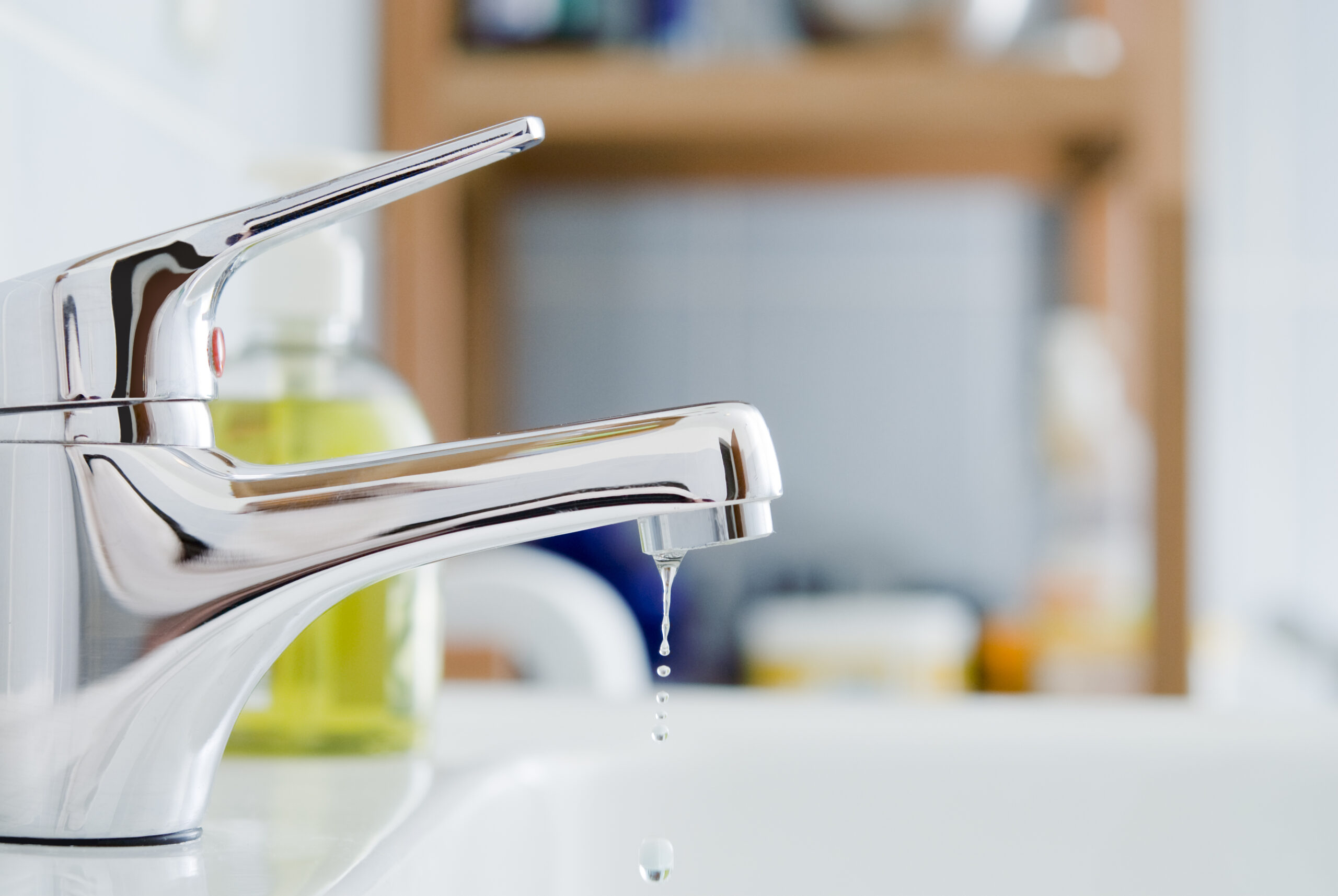
Have you recently turned on your faucet only to discover a trickle of water coming from the spigot? Does your water come out of your fixtures at a fraction of its former rate? If you’re having problems with your water pressure, then the cause of your issues could be one of many different possibilities.
Overly High Water Usage
If your low water pressure occurs when multiple water-using appliances are running or when multiple showers are in use, then its cause may simply be using too much water at once. You can easily fix this problem by spreading out your water usage over the course of the day.
Too Much Water Use on Shared Pipelines
Low water pressure can also be caused by too many people in your neighborhood using water at the same time on shared pipes. If you’re on a pipeline that goes into multiple houses, then you’ll need to try to plan around your neighbors’ water use. You should attempt to find times of the day when the water pressure is highest so you can use the water yourself at those times.
Main Shutoff Valve Is Not Open
A partially closed main shutoff valve can reduce the water pressure in your home. Your main shutoff valve will likely be located inside your home close to where the city water supply pipe comes into your house. Once you find the main shutoff valve, you should turn it counterclockwise until it’s all the way open. Hopefully, this will solve your low water pressure issue.
Water Meter Valve Isn’t Open
If the main shutoff valve isn’t the culprit, then the water meter valve might need to be opened — especially if your water company has recently done work on your premises. Your local water company probably owns this valve, so it may be difficult to access. In fact, you might have to call the water company to have them check the valve for you. Once they open your meter valve all the way, you may notice your water pressure improving.
Sediment Buildup in Fixtures
Shower heads, faucets and toilet-fill valves can all experience sediment buildups that can impede water flow. Sink aerators are fairly easy to remove, and you may be able to take the aerator off the fixture experiencing low water pressure and clean out the grit that’s clogging it. You may also be able to clean your shower head by gently rubbing its nozzles or soaking it in vinegar.
Broken Fixtures
If cleaning out the fixtures doesn’t fix your problem, then your fixtures might be broken altogether. Faucets and shower heads aren’t particularly expensive, so you can easily replace them with modern, fully functional fixtures. If you don’t feel comfortable replacing the fixtures yourself, then you should hire a professional plumber to do the work for you.
Broken Pressure Regulator
As its name implies, the pressure regulator controls the water pressure in your plumbing system. As pressure regulators age, they might cause your water flow to increase or decrease more than is beneficial. If your pressure regulator is no longer capable of keeping your water flowing at the right pressure rate, then you’ll need to have it replaced.
Clogged Pipes
Low pressure can also be caused by blockages in your pipes restricting water flow. Dirt, food fragments, oil and other pollutants can build up over time, reducing the space in your pipes where water flows. If you have a significant buildup of debris in your lines, you’ll likely need to have a plumber take care of this problem for you.
Leaky Pipes
Leaking pipes can reduce your home’s water flow and cause damage to your property. Wet spots, puddles, mold and sagging walls are all signs that you might be dealing with a leak on your premises. Whether your pipes have a single large leak or multiple smaller ones, you’ll need to hire a competent plumber to repair your pipes before you get sufficient water pressure again.
Corroded Pipes
If oxidation and the passage of time have left their marks on the inside of your pipes, then you might be experiencing less water flow than you’d like. Older pipes made of galvanized steel are especially prone to corrosion, but even the sturdiest pipes can corrode over time. In all likelihood, you’ll need a plumber to evaluate and then replace your corroded pipes in order to avoid leaks and even lower water pressure.
Branch Lines Are Too Small
Low water pressure can also be caused by the smaller pipelines that branch off from your main lines not being large enough to support current water demand. This possibility is particularly likely to be the culprit if you’ve recently added water-using appliances to your home. A skilled plumber will be able to evaluate your pipes and give you larger branch lines that are capable of keeping up with your water use.
Problems With Your Water Supplier
Sometimes, low water pressure can be caused by problems from outside of your property. If your entire neighborhood is experiencing water problems, then your local water supplier might be having issues. You should contact your local water supplier and ask them for clarity regarding your community’s low water pressure problems and solutions.
Local Regulations Have Changed
Another potential source of trouble outside of your property that can cause low water pressure is local bureaucracy. If the powers that be in your city have changed water regulations, then you might be stuck with low water pressure. One possible solution is to have a plumber install a water pressure booster system on your premises that will increase your water pressure without damaging your pipes.
Broken Water Main
Water main breaks are especially common in the winter when temperatures get below freezing. Broken water mains usually result in reduced water pressure for entire neighborhoods. Since your local municipality will have to fix the break, you can call them for more information about the repair time frame.
The City Is Flushing Fire Hydrants
You could also be experiencing temporary low water pressure due to your city flushing its fire hydrants. If city workers are cleaning out fire hydrants near your home, then they’re likely releasing hundreds of gallons per minute. Your low water pressure should resolve itself within a few minutes of the fire hydrants being turned off if this is the cause of your water pressure issues.
HVAC, Plumbing and Electrical Services in Tacoma
At Hunt’s Services, we have the tools and the skills to provide high-quality HVAC, plumbing and electrical services to the people of Tacoma, WA. If you’re having problems with low water pressure, you can trust us to get to the bottom of your issue.
You can also count on us to help you with your garbage disposal, sump pump, gas lines and water filtration issues. Our HVAC services include heating and cooling repair, installation and maintenance; whole-home filtration system installation; and duct-cleaning services. We’re also capable of installing electrical panels, lighting and EV charging stations. Contact us today if you need the help of our skilled technicians.