
Why Is My Water Pressure Low?

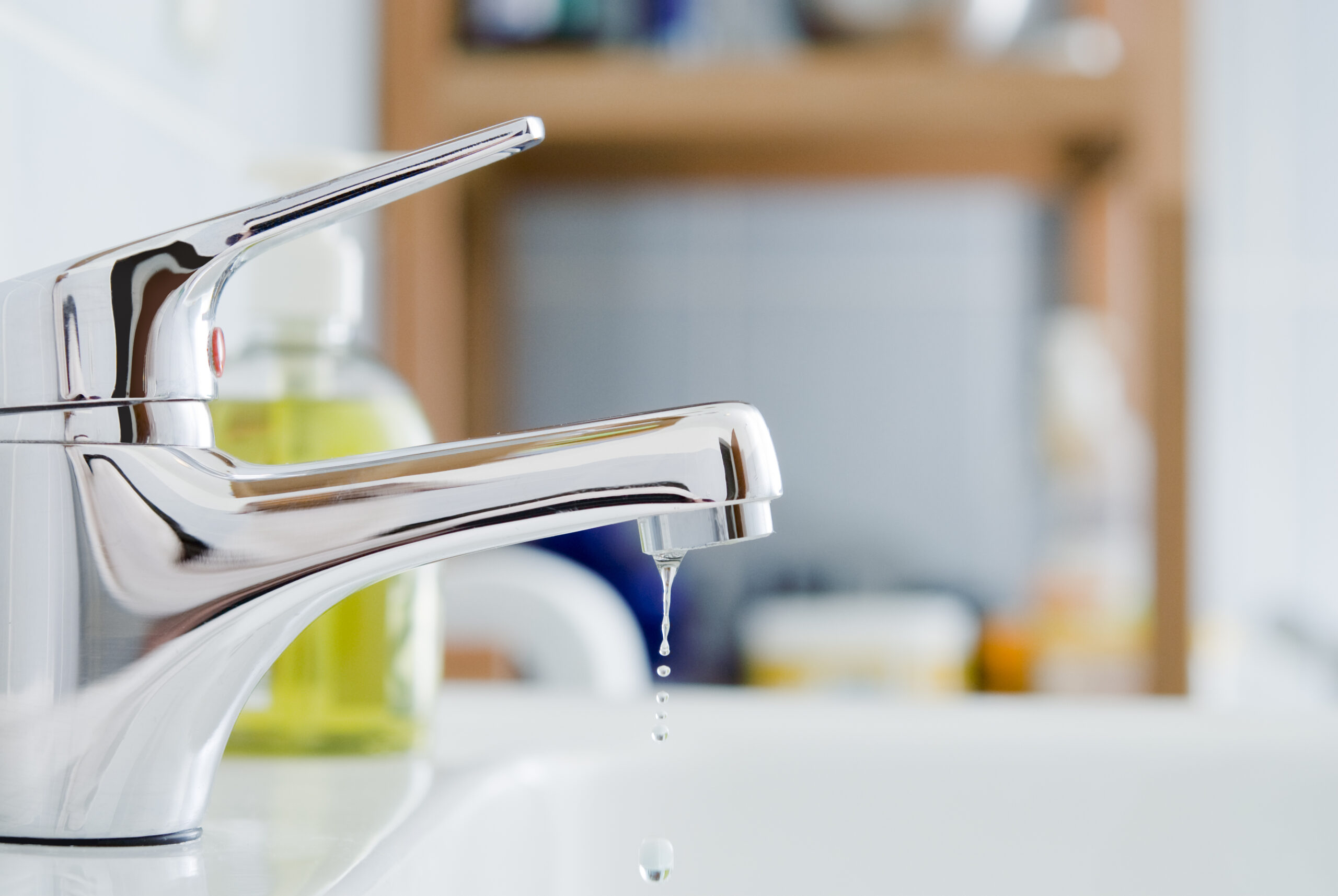
Faucet with drips of water, highlighting potential plumbing issues, relevant to home maintenance and comfort services in Tacoma, WA.

Have you recently turned on your faucet only to discover a trickle of water coming from the spigot? Does your water come out of your fixtures at a fraction of its former rate? If you’re having problems with your water pressure, then the cause of your issues could be one of many different possibilities.

Overly High Water Usage

If your low water pressure occurs when multiple water-using appliances are running or when multiple showers are in use, then its cause may simply be using too much water at once. You can easily fix this problem by spreading out your water usage over the course of the day.

Too Much Water Use on Shared Pipelines

Low water pressure can also be caused by too many people in your neighborhood using water at the same time on shared pipes. If you’re on a pipeline that goes into multiple houses, then you’ll need to try to plan around your neighbors’ water use. You should attempt to find times of the day when the water pressure is highest so you can use the water yourself at those times.

Main Shutoff Valve Is Not Open

A partially closed main shutoff valve can reduce the water pressure in your home. Your main shutoff valve will likely be located inside your home close to where the city water supply pipe comes into your house. Once you find the main shutoff valve, you should turn it counterclockwise until it’s all the way open. Hopefully, this will solve your low water pressure issue.

Water Meter Valve Isn’t Open

If the main shutoff valve isn’t the culprit, then the water meter valve might need to be opened — especially if your water company has recently done work on your premises. Your local water company probably owns this valve, so it may be difficult to access. In fact, you might have to call the water company to have them check the valve for you. Once they open your meter valve all the way, you may notice your water pressure improving.

Sediment Buildup in Fixtures

Shower heads, faucets and toilet-fill valves can all experience sediment buildups that can impede water flow. Sink aerators are fairly easy to remove, and you may be able to take the aerator off the fixture experiencing low water pressure and clean out the grit that’s clogging it. You may also be able to clean your shower head by gently rubbing its nozzles or soaking it in vinegar.

Broken Fixtures

If cleaning out the fixtures doesn’t fix your problem, then your fixtures might be broken altogether. Faucets and shower heads aren’t particularly expensive, so you can easily replace them with modern, fully functional fixtures. If you don’t feel comfortable replacing the fixtures yourself, then you should hire a professional plumber to do the work for you.

Broken Pressure Regulator

As its name implies, the pressure regulator controls the water pressure in your plumbing system. As pressure regulators age, they might cause your water flow to increase or decrease more than is beneficial. If your pressure regulator is no longer capable of keeping your water flowing at the right pressure rate, then you’ll need to have it replaced.

Clogged Pipes

Low pressure can also be caused by blockages in your pipes restricting water flow. Dirt, food fragments, oil and other pollutants can build up over time, reducing the space in your pipes where water flows. If you have a significant buildup of debris in your lines, you’ll likely need to have a plumber take care of this problem for you.

Leaky Pipes

Leaking pipes can reduce your home’s water flow and cause damage to your property. Wet spots, puddles, mold and sagging walls are all signs that you might be dealing with a leak on your premises. Whether your pipes have a single large leak or multiple smaller ones, you’ll need to hire a competent plumber to repair your pipes before you get sufficient water pressure again.

Corroded Pipes

If oxidation and the passage of time have left their marks on the inside of your pipes, then you might be experiencing less water flow than you’d like. Older pipes made of galvanized steel are especially prone to corrosion, but even the sturdiest pipes can corrode over time. In all likelihood, you’ll need a plumber to evaluate and then replace your corroded pipes in order to avoid leaks and even lower water pressure.

Branch Lines Are Too Small

Low water pressure can also be caused by the smaller pipelines that branch off from your main lines not being large enough to support current water demand. This possibility is particularly likely to be the culprit if you’ve recently added water-using appliances to your home. A skilled plumber will be able to evaluate your pipes and give you larger branch lines that are capable of keeping up with your water use.

Problems With Your Water Supplier

Sometimes, low water pressure can be caused by problems from outside of your property. If your entire neighborhood is experiencing water problems, then your local water supplier might be having issues. You should contact your local water supplier and ask them for clarity regarding your community’s low water pressure problems and solutions.

Local Regulations Have Changed

Another potential source of trouble outside of your property that can cause low water pressure is local bureaucracy. If the powers that be in your city have changed water regulations, then you might be stuck with low water pressure. One possible solution is to have a plumber install a water pressure booster system on your premises that will increase your water pressure without damaging your pipes.

Broken Water Main

Water main breaks are especially common in the winter when temperatures get below freezing. Broken water mains usually result in reduced water pressure for entire neighborhoods. Since your local municipality will have to fix the break, you can call them for more information about the repair time frame.

The City Is Flushing Fire Hydrants

You could also be experiencing temporary low water pressure due to your city flushing its fire hydrants. If city workers are cleaning out fire hydrants near your home, then they’re likely releasing hundreds of gallons per minute. Your low water pressure should resolve itself within a few minutes of the fire hydrants being turned off if this is the cause of your water pressure issues.

HVAC, Plumbing and Electrical Services in Tacoma

At Hunt’s Services, we have the tools and the skills to provide high-quality HVAC, plumbing and electrical services to the people of Tacoma, WA. If you’re having problems with low water pressure, you can trust us to get to the bottom of your issue.

You can also count on us to help you with your garbage disposal, sump pump, gas lines and water filtration issues. Our HVAC services include heating and cooling repair, installation and maintenance; whole-home filtration system installation; and duct-cleaning services. We’re also capable of installing electrical panels, lighting and EV charging stations. Contact us today if you need the help of our skilled technicians.

What Is the Best Home Water Filtration System?

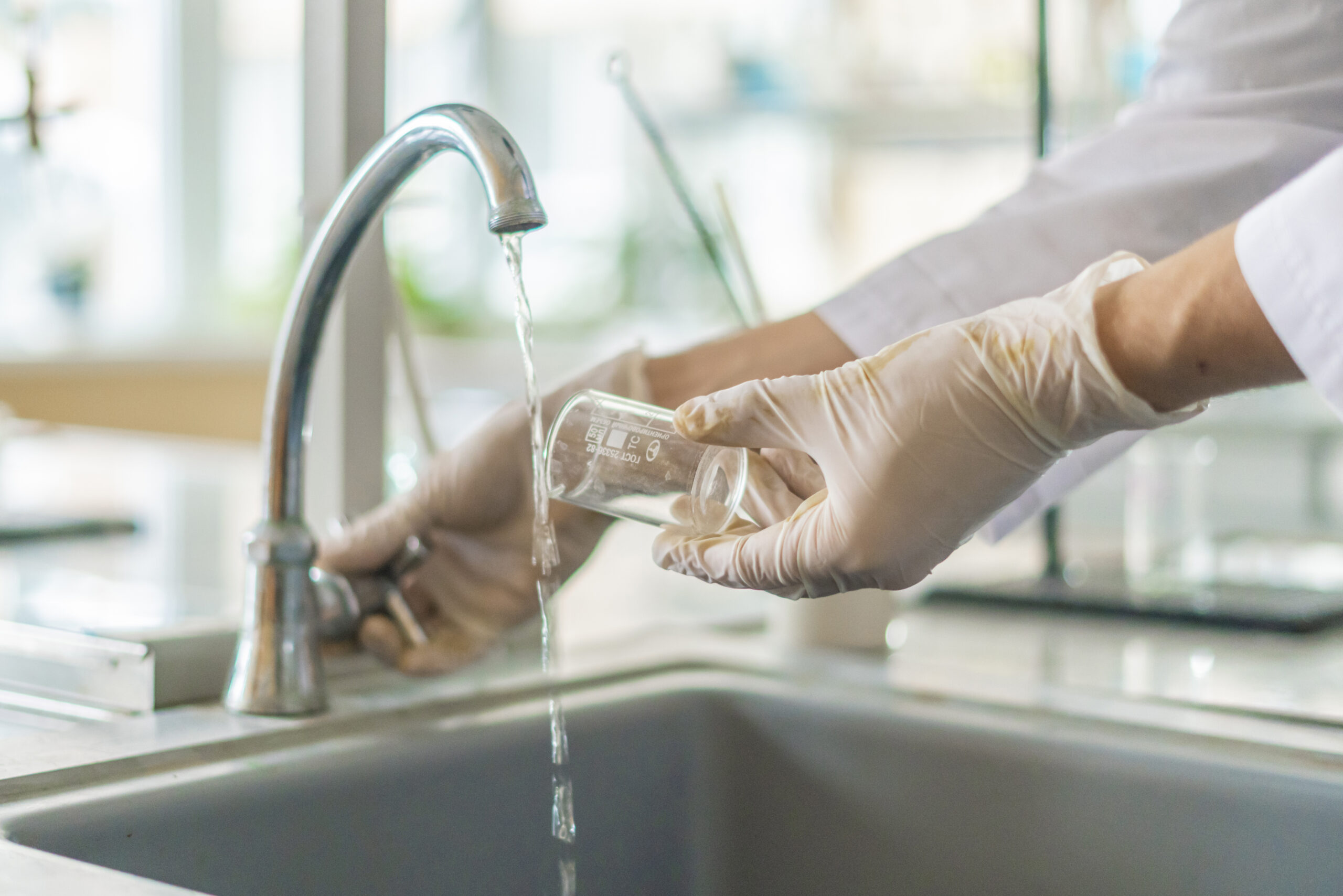
Person in gloves pouring tap water from a faucet into a glass beaker, highlighting water quality concerns in Tacoma, WA.

Tap water in Tacoma may contain contaminants, such as metals and chemicals. The only way to purify your water is with a water filtration system. Looking into this can be a bit overwhelming because there are so many options. Learning more about the ones that are available can help you narrow down the filtration system that will work best within your home.

Testing Your Home’s Water

The first step is learning more about the impurities that are in your home’s water. You want to have a professional conduct the testing so that you can be sure the results are accurate. They will also explain the results and help guide you toward filtration systems that will work best in your home.

Benefits of a Home Water Filtration System

Having contaminants in your water can alter its taste and even make it harsher on your hair and skin when you shower. There is also the point that it could be unhealthy for your plumbing.

Removing impurities from the water in your home comes with a wealth of benefits:

  • Safer drinking water
  • Better water taste and smell
  • Environmentally-friendly
  • Cost-effective
  • Multiple filtering options
  • Retain more water minerals
  • Improves water-using appliance performance
  • Low maintenance

Types of Home Water Filtration Systems

There are several different types of filters for you to choose from. Learning a bit about each one can make it easier to choose the right one.

Activated Alumina

This filter might be ideal for removing arsenic or fluoride. It has a high level of absorption since the compound is a highly porous ceramic. The materials bond together instead of just being held in the pores. It is able to pull contaminants from the water in your home without them leaking out and getting into the environment.

Activated Carbon and Carbon Block

You probably are aware of this type of filter as they often call it activated charcoal. These are common in water filtration systems and are often present on water filter pitchers or a below-the-sink filtration system. This type of filter can attract and absorb impurities to take them from your water. It also requires no electricity to operate.

Alkaline and Water Ionizers

This type of filter ionizes water to separate acidic and alkaline water. You usually use this along with an additional water filtration system to remove impurities. This filter focuses more on water quality and softening it.

Distillation

If you are looking for a more primitive option to purify smaller amounts of water, this is an option to consider. You might look into this option if you like to collect rainwater and purify it so that you can use it for cooking, drinking and bathing. During the process, the water boils to produce steam. Then, you cool it in a clean container. Once you fully complete the process, you have clean water that tastes better and is free from bacteria.

There are kits that provide you with all of the components that you need to distill the water. Just make sure that you have a source for heat and electricity to take advantage of this process.

Ceramic Filters

Ceramic is a type of material with lots of tiny pores all throughout its surface. Anything bigger than the pores will get stuck in them, removing them from your water. You do not need an electricity source to use this type of filter.

You can use a silver treatment with ceramic filters. This helps to prevent algae and mold from surviving in your water. Silver is also effective in killing bacteria.

Sand and Sediment Mesh

Think of this type of filtration system as similar to the colander that you use to drain your noodles have you boil them. This filter system is best for removing large particles from your water, such as clay, rust, dirt and sand. While they do not remove micro-particles, they are a good choice for keeping your plumbing system free from sediment.

Reverse Osmosis

This type of filter features a semipermeable membrane that the water goes through. Water is able to flow through without a problem, but metals, contaminants, chemicals and parasites are not able to penetrate the filter. Just make sure that you have strong water pressure if you want to use this filter system. The water pressure has to be good to force it through the membrane.

Ultraviolet Light

This type of water filtration system is able to remove a number of water microorganisms, such as viruses, protozoa, bacteria and parasites. With this system, you expose the water to UV light radiation at a high frequency via a glass element. You will need a lot of energy to use this type of system.

In some cases, people opt to use UV lamps as part of a bigger water filtration process. This can help to ensure the removal of both non-organic contaminants and microorganisms from your home’s water.

Choosing the Right Water Filtration System

Once you have water testing, you will know about the type of contaminants that are present in your water. Start your search by narrowing down your options to the systems that work for these specific contaminants. Next, determine if you want a system that relies on electricity or not to purify your water. These two concerns will help you pick a system that best fits your needs.

Water Filtration System Maintenance

Maintaining your system ensures that your water is always clean and ready for use. One or two times per year, you will likely need to replace the filters. This ensures that the water coming out is free from impurities. Certain types of filters require cleaning instead of replacement. A professional can help with this to ensure that you do it correctly and do not unintentionally damage the filter.

About once a year, the filter housings require a cleaning. This will remove any accumulated contaminants. Once fully cleaned, you can also sanitize the housings to make sure that they are free from bacteria and debris.

If you notice any wear and tear on the components of the system, it is important to have a professional repair or replace them promptly. One part that will likely need some attention at some point is the O-ring, so keep an eye on this to see if it is wearing or cracking.

Water Filtration Systems in Tacoma

Water filtration can make your Tacoma home’s tap water cleaner and tastier. The key is to choose the filtration system that works best for your home and family, and we can help you make this decision. Once we finish up with this task, we offer other services to help you keep your home a haven for comfort. Whether you need electrical work or plumbing help or you want to improve your indoor air quality, our expert staff is here to help you with your home goals.

Contact Hunt’s Services today for your water filtration needs.

Are You Worried About Seattle’s Water Quality?

Over the past few months, there have been numerous reports mentioning discolored water in various neighborhoods around West Seattle. While this is somewhat normal, as water discoloration can be caused by a few different things, the frequency with which it is occurring is alarming, especially for those who have had dark-colored water coming out of their taps.

The official statement from Seattle Public Utilities is that Myrtle Reservoir had been emptied in order to apply earthquake-resistant upgrades to it and that has led to some of this discoloration. In basic terms, sentiment has been stirred up because of these upgrades, leading to problems with the drinking water that has entered certain homes.

While citizens certainly don’t like having murky water come through their taps, and are unlikely to drink this water, the city would have you believe that it is still completely safe to drink.

Another concern is the drought conditions that have plagued King County this year. Because of the lack of rain, the city has been drawing water from the Cedar River Watershed, which is a different source than is normally used. Once again, the end result is that the water is a different color than it should be.

It will take a complete winter with a significant amount of snow to replenish the aquifer, so we could be dealing with these water problems for months to come. In addition, there is no guarantee that enough snow will fall to rectify the situation or that we won’t find ourselves in the exact same scenario next year.

Chlorine in the Water

One problem that commonly occurs when water quality issues arise is that the city will add more chlorine to the supply to ensure that it is safe to drink. The idea is that the chlorine kills the bacteria and, therefore, cleans the water. The issue is that this creates another health problem, since you will be ingesting chemicals every time you take a drink from the tap. Also, chlorine has a distinct taste that many people don’t like, further complicating the situation.

Is it Safe?

Of course, the most important thing to consider is whether or not the water is safe to use. The city maintains that this water is harmless, as it is being checked regularly for bacteria and other pollutants that could affect its quality.

At the same time, there is a reason for some concern, as the city clearly doesn’t have a clear grasp on the situation. While city officials have told people who run into water quality problems to call their Operations Response Center, this doesn’t immediately rectify the problem and could leave you without drinking water.

What to Do

Even if you haven’t run into problems with your water quality yet, it could happen in the near future. For this reason, a number of Seattle residents are investing in water filtration systems for their homes. Once these systems are installed, you will have an endless supply of clean, safe water for your family.

Having a filtration system installed can actually save you money in the long run because you won’t have to worry about buying bottled water every time there are water quality problems in the city.

Since the city is now covering its water problem up by adding more chlorine to the supply, a filtration system is even more beneficial. Having a system installed removed chlorine and other chemicals from your drinking water, leaving you with fresh, pure water.

Human beings aren’t meant to consume chemicals or bacteria found in our water. This is an issue that is common in many third world countries, but isn’t something that we would expect here. Luckily, we all have the option of installing a water filtration system in Seattle to ensure that waterborne illnesses don’t become an issue in our homes.