Clogged drain and sewer lines are an extremely common problem and can sometimes be a nightmare to deal with, especially if backups result. Sewer issues have the potential to do major damage, so it’s important to act quickly any time you experience any problems with your drain and sewer system. Hydro jetting is the safest and most effective option for overcoming drain and sewer issues.
How Hydro-Jetting Works
Hydrojetting uses a high-pressure hose that is connected to a large water tank and has a special nozzle at the end. The nozzle sprays water through the sewer line to safely and effectively clear any clogs and flush them out of the pipe, and this is what makes hydrojetting much more effective than snaking a sewer line.
A plumber’s snake uses a special auger that can cut through hardened solids and tree roots, but it can’t actually remove them from the pipe. When you again use your plumbing, the solid materials will travel down the pipe and can end up clogging it further down before the pipe meets the municipal sewer main. This is where hydro-jetting has a major advantage as the water will blast everything away and wash all of the solids out of the sewer line to ensure it doesn’t clog again.
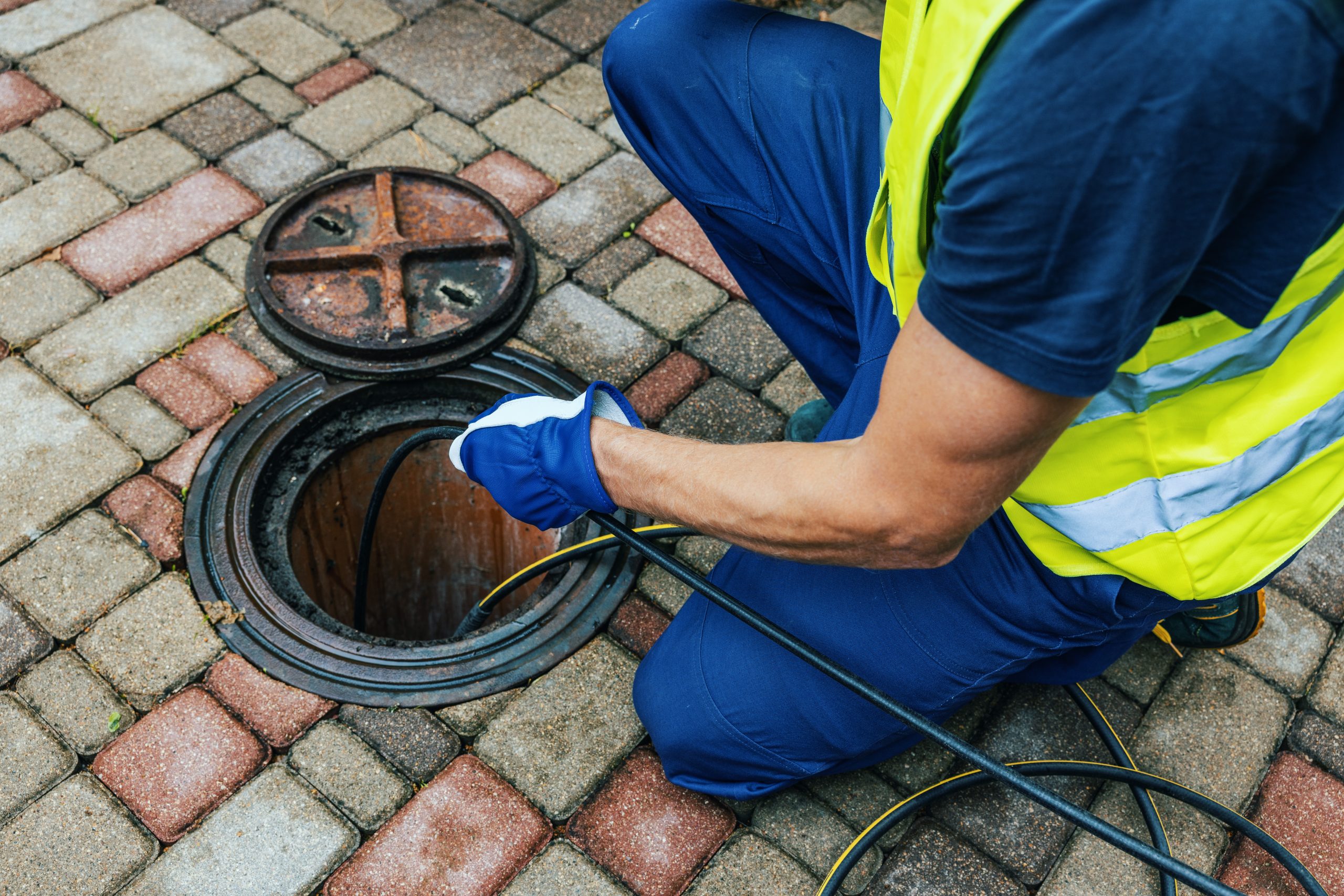
When cleaning a sewer line, the plumber will access the sewer line by taking the cap off of the sewer cleanout outside the home. If the home doesn’t have sewer cleanouts or they aren’t easily accessible, the process will be a bit more complicated. In this case, it will be necessary to access the sewer line from inside the house or even by going in through the plumbing vent stack on the roof.
The spray nozzle and hose are fed into the sewer line, and the plumber will then turn on the hydrojetting machine to release a high-pressure jet of water. The nozzle actually produces multiple jets of water. One jet sprays straight forward out of the end to blast through the clog and cut away any tree roots. There are also jets of water that spray out of the back of the nozzle at an angle to scour away any fat and slime stuck to the inside of the pipe.
Common Causes of Clogged Sewer and Drain Lines
Sewer lines will typically only ever clog for a few reasons. Tree roots are often a major contributor to clogs. As a sewer line ages, the joints where the sections of pipe connect can loosen to the point where small roots can get inside. Larger roots can also exert enough pressure on the sewer line that they punch a hole in it.
Once the roots get inside, the water and waste flowing through the sewer line feed and fertilize them to where they can quickly start growing out of control. This leads to solid waste, toilet paper and any other solids that go down the drain or toilet catching on the roots and building up over time. The solids will then start to harden and create a blockage that will cause the sewer line to drain more slowly or prevent it from draining at all. At this point, you’ll want to have a professional plumber inspect your sewer lines with a sewer camera.
The other main reason sewer lines get clogged is from people flushing and washing lots of solids down the drain. Ideally, the only things that should go down your toilets and drains are water, toilet paper and human waste. Any other solids won’t go down the sewer line as easily and can get stuck. This then creates a partial blockage that starts to trap other solids and waste, leading to the clog getting bigger over time and eventually preventing the pipe from draining.
Many people wrongly believe that it is fine to flush things like paper towels and tissues. The problem is that other paper products don’t break down or disintegrate when flushed like toilet paper does. Instead, these paper products stay almost completely intact and can easily get stuck inside a drain pipe or the sewer line. Even worse is flushing things like wet wipes, feminine hygiene products, cotton pads, condoms, diapers, etc. Coffee grounds and cat litter should also never go down the sink or toilet as they will make the clog even worse.
FOG (fat, oil and grease) clogs are also extremely common. Fat, oil and grease will always solidify and harden as they move through the drain and sewer system. This is true even if you wash them down with lots of hot water, which is why all fat, oil and grease should always go in the trash and never down the drain. As the materials solidify or coagulate, they can easily get stuck to the insides of the pipe and slowly build up over time. This reduces the inside diameter of the pipe so that less wastewater can flow through it and the system starts draining more slowly. When you flush other solids like paper products and food waste, they can also get trapped in the sticky fat coating so that a massive clog known as a “fatberg” forms. The fact that hydrojetting scours the insides of the pipe also makes it a great preventative measure for preventing clogs as it will blast away all of the fat and grease.
Signs That You Need to Have Your Sewer Line Cleaned
If your sewer line is fully or even partially clogged, there is a high chance you’ll eventually start to experience issues with wastewater and sewage backing up inside your homes. When sewage backs up inside a home, it means that the sewer line is clogged and all of the wastewater can’t drain properly. If the waste can’t drain, it will have nowhere else to go and will build up inside the sewer line and drain pipes and eventually start flowing back out of floor and shower drains.
Even a partial clog can cause a sewage backup by preventing the pipe from draining quickly. This usually won’t happen if you just flush the toilet, but it can easily happen when you do laundry, run the dishwasher or otherwise use lots of water in a short period of time.
The good news is that there are some signs that can tell you that your sewer line is starting to clog before it starts backing up. One obvious indication is when your sinks and showers start draining more slowly than normal. You’ll also usually notice that they make a gurgling sound as they drain, and your toilets will also typically not flush properly and make a gurgling or chugging sound at the end of the flush. These noises indicate that air is trapped in the sewer system due to a clog, and this creates a vacuum that prevents the system from draining properly. If you notice these issues, you should have your sewer system inspected and hydrojetted as soon as possible to ensure sewage doesn’t start backing up in your home.
Hunt’s Services is the top choice if you need any drain or sewer services in Tacoma and the Puget Sound area. We specialize in drain cleaning, hydro-jetting and camera inspections as well as a full range of plumbing, electrical and HVAC services.
Don’t let drain and sewer issues get you down. Instead, if you are in the Tacoma area, give Hunt’s Services Tacoma Plumbers a call or else where in Puget Sound today to get the expert help you need.