Toilet Repair vs. Professional Help: When to Call a Plumber

Toilet tank with plumbing tools, including wrenches and a screwdriver, against a pink tiled wall, representing DIY toilet repair solutions.

Toilets are central features of modern bathrooms. These appliances enable the efficient removal of wastewater and sewage, and they serve a key role in keeping your home hygienic. While it is easy to take this hardware for granted, toilet problems can quickly disrupt everyday life. Although resolving some toilet issues can be as simple as grabbing a plunger, many problems require expert intervention. A look at some of the top toilet problems that require professional troubleshooting or repairs can guide you on exactly when it is time to call your local plumber.

Running Toilet

A running toilet is more than just a noisy nuisance. This misfortune can also hurt your budget. According to the Environmental Protection Association (EPA), toilets already account for around 30% of a household’s water usage, and a running toilet is a leading cause of higher water bills. If your toilet is running, it could mean that the rubber seal that separates your tank and bowl is ineffective. This defect or malfunction causes water to seep into the bowl and forces the tank to constantly refill itself. Whether you need to replace internal components or there is a more complicated reason, a plumber can help eliminate the waste of running water.

Leaking Base

If you notice a steady supply of water seeping from the toilet base, it is time to reach out to a professional. This can indicate a damaged sealant or other hardware issues. The solution can be as simple as replacing the wax ring or may require more intervention, but a plumber can determine the exact course of action. Failure to address this problem promptly can cause the damage to spread to other parts of the floor and result in mold problems or rotting wood. Longstanding moisture can also cause the entire flooring area beneath the toilet to become soft. When this happens, the floor will no longer support the weight of the toilet combined with a sitting individual. If the bathroom is on an upper floor, this type of structural damage can even lead to ceiling collapse. Because of the possible extent of damage, you should never ignore a leaking toilet base.

Cracked Bowl

Toilet hardware is durable, but accidental impact can cause fractures or cracks. While a toilet lid may be simple to replace, the bowl is often more complicated. This part of the appliance is fixed on the flooring and connects directly to the waste exhaust pipe. Since attempting to repair or replace a bowl yourself can lead to further damage or unsanitary conditions, you should always contact a plumber about structural issues in this part of your appliance.

Foreign Objects

If a foreign object becomes lodged within your plumbing, it can damage sewer lines. It’s important to contact a professional to remove plastic toys, electronic devices, and other irregular devices. Even items that some people believe are “flushable” are foreign objects that can clog septic tanks. These objects include diapers, wipes, or sanitary pads. If you believe that a foreign object is stuck in your system, do not keep attempting to flush it down further. Instead, call a plumber for assistance.

Sewage Smells

If you smell an overwhelming odor of raw sewage from the bathroom throughout the day, your property could have a broken sewer pipe. This is a plumbing emergency that requires intervention as quickly as possible. Sewer gases can contain toxic substances like ammonia, methane, and nitrogen oxides. These fumes can compromise the health of home occupants if they get long-term exposure. Sewage can also contain bacteria and microorganisms that cause serious illnesses. Plumbers have the training and protective gear to repair sewage pipes without spreading toxic chemicals and contaminants. Since ruptured sewer pipes sometimes originate deep underground, plumbers also have the equipment necessary to locate the exact source of the leak and make repairs before it further damages your property.

Constant Gurgling Sounds

While toilets may emit some noises, bubbling or gurgling sounds could indicate a more serious problem. Gurgling often indicates a blockage. Although plumbing involves wastewater, it still needs proper airflow to avoid creating a vacuum. But if the system is clogged, air can become trapped and create the bubbling sound. Without the appropriate action, blockage can result in wastewater backing up into your home. Whether the exact cause is a blocked vent stack or blocked sewer line, a plumber can diagnose the underlying problem and fix the issue. Finally, unusual toilet noises like bubbles or burps can also signify worn-out components. Contact a professional for proper fittings and replacement.

Repeated Clogging

Having a clog now and then may require the use of a plunger to simply move things along. If your toilet clogs every day, however, the problem may demand an advanced diagnosis. Plumbers have access to industrial-grade tools like sewer cameras, augers, and plumbing snakes to thoroughly inspect sewer lines. A range of problems like tree root obstructions, corrosion, botched construction, or landslides can damage sewer lines. Issues that occur this far downstream require experts to complete restoration and repairs. Plumbers have training to use techniques like hydro-jetting or similar methods to clean or clear your sewer lines.

Frozen Pipes

Extremely frigid temperatures can cause pipes to freeze. This inhibits the passage of water and also increases the likelihood of cracks. If temperatures have dropped and you suspect frozen pipes, contact a plumber for help. Plumbing companies may have commercial thawing machines that allow water to flow freely again.

Refill Failure

If your toilets fail to refill after flushing, you can have mechanical as well as pipe problems on your hands. For example, toilets that do not refill can indicate valve malfunction or supply pipe issues. A professional can diagnose the problem to ensure that your appliance works properly again.

Slower Flush

While an occasional slow flush can mean a temporary clog that dislodges on its own, toilets that continue to flush slowly for days usually have underlying issues. A common underlying cause is buildup deep within the drainpipe. Due to the depth of drain buildup, ordinary plungers or DIY techniques are unlikely to repair this problem. Contact a plumber to inspect for drainpipe accumulation and buildup removal. Slow-flushing toilets throughout your home can also signify a water pressure issue. This may mean that the plumbing system has a major leak, breach, ruptured pipe, or eroded waterline. A plumber can test your water pressure and correct the issue.

Rust and Corrosion

Rust and corrosion occur when metals oxidize due to prolonged exposure to water. The appearance of rust around the toilet can result from old age, improper installation, or unrepaired damage. However, if you can find rust in all of your toilets and faucets, you probably have iron in your water instead. Since corrosion can impair the performance of this appliance, a plumber may need to replace the toilet or its components.

Contact Us Today

Toilet repairs require the help of professionals who can complete the job correctly the first time. If your toilet no longer works properly, our team can assist you. Hunt’s Services offers plumbing repairs for homes in Tacoma, Puget Sound, and surrounding areas. We offer toilet inspections, diagnoses, and new toilet installation if necessary. In addition to toilets, our bathroom services include shower inspections, tub repairs, and drain cleaning. We offer repiping services throughout the home, and our plumbers also provide maintenance for sump pumps and water heaters. No matter the plumbing issue, our experts can help. Reach out to Hunt’s Services today for any plumbing needs.
Ways to Safely Thaw Frozen Pipes in Your Tacoma, WA Home

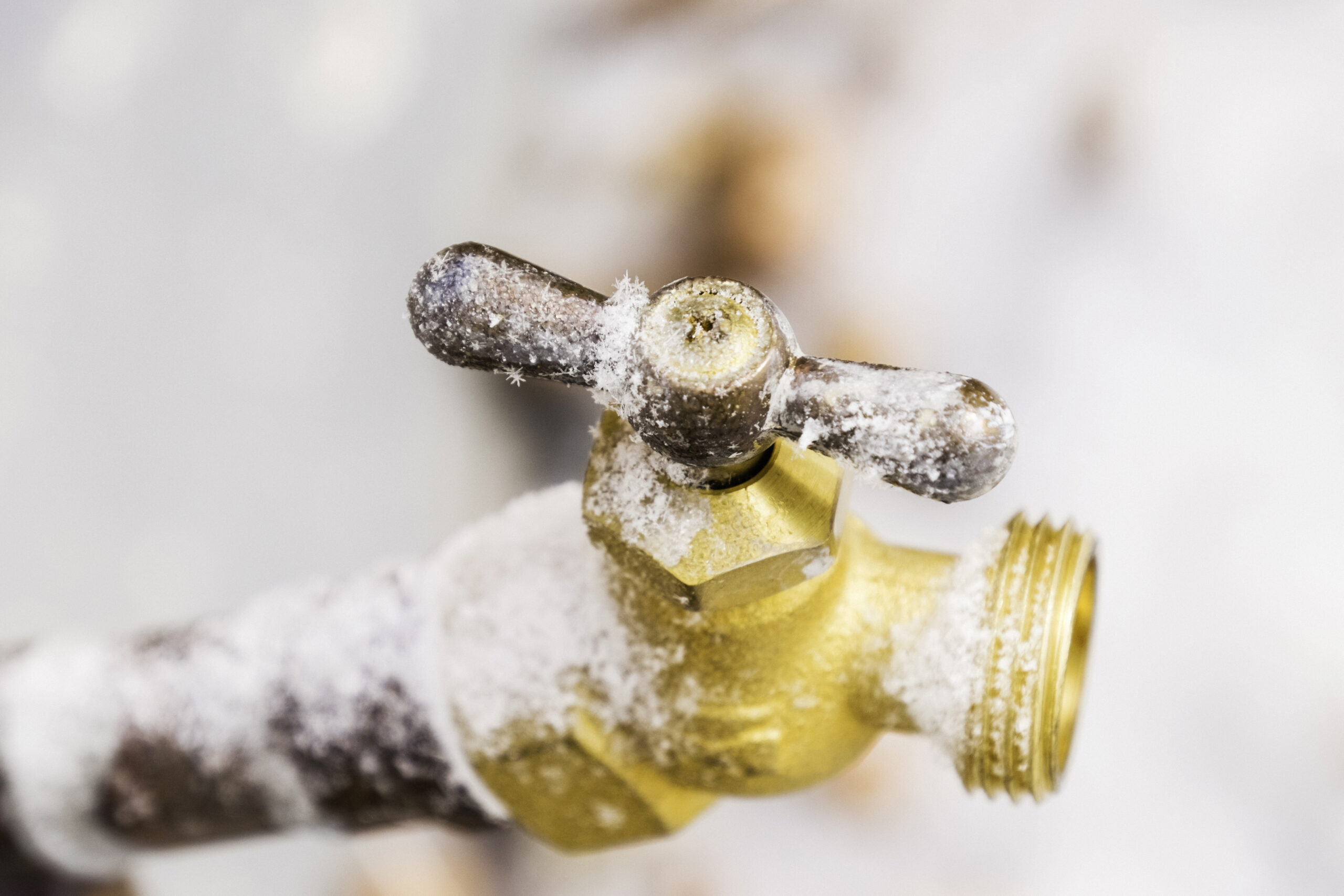
Frozen outdoor faucet with ice crystals, highlighting plumbing issues related to winter in Tacoma, WA.

Of all of the plumbing issues that could afflict homes in Tacoma, WA, frozen pipes are among the most serious. It’s the kind of problem that can seem like a minor inconvenience at first. However, if you don’t handle the problem correctly, it can turn into a major disaster for your home. That’s because frozen pipes are at risk of bursting, which can, in turn, flood your home.

To get an idea of the kind of damage your home might suffer, consider that the average insurance claim following a burst pipe is an eye-popping $7,000, according to the Insurance Information Institute. The good news is that you can avoid a catastrophe like that if you learn how to safely thaw a frozen pipe, and when to call for help. Here’s everything you need to know.

How to Tell if You Have a Frozen Pipe

The first thing you’ll need to know is how to spot the signs of a frozen pipe. You should know that any pipe exposed to temperatures below 20 degrees Fahrenheit for several hours or more is at risk of freezing. It can even happen at higher temperatures if you have any pipes exposed to drafts, too. The most obvious sign that you have a frozen pipe is if one or more of the sinks in your home suddenly suffer weakened or nonexistent water flow. If you’re dealing with a frozen drainpipe, you might notice an odd smell coming from one or more of your home’s drains.

Another way you might spot a frozen pipe is if you notice frost on any exposed pipe sections in your home. If there’s frost on the outside of the pipe, there’s a good chance there’s ice inside it, too. This can happen to pipes running through uninsulated parts of your home, like basements and garages. It can also happen to pipes running through your home’s attic, where the insulation present keeps heat from reaching them.

What to Do First if You Believe You Have a Frozen Pipe

If you believe your home has a frozen pipe, the first thing you’ll need to do is try and localize the problem. For water supply pipes, you can do this by turning on all the faucets in your home. If one or more of them don’t have water flowing to them, this means the problem is somewhere in their supply lines. For multiple sinks, inspect the supply lines before the point where they split off to feed each affected sink. For a single sink, look at its supply line, beginning under the sink and working your way backward.

If it’s a drain that you think is frozen, the same logic applies. If the problem affects multiple drains, the frozen section is likely somewhere in a main drain line. If it’s a single sink, the problem may be right underneath the sink itself.

Once you locate a frozen supply pipe somewhere in your home, you should turn off your home’s water supply immediately. The reason for this is simple. It’s that there’s always a chance that your frozen pipe has already burst. There’s also a chance that there’s more than one pipe section affected, so it’s best not to take any chances by leaving the water on. Then, you should turn on the affected sinks. This will provide a way to relieve the pressure inside the pipes as the ice thaws.

Safely Thawing a Frozen Pipe

Your next task after finding the affected section of pipe is to slowly thaw it out. It’s important to do this in a controlled manner so you don’t end up harming your pipes in the process. The first step is to visually inspect the frozen section of pipe to look for any signs of splits, damage, or deformation. If anything about the pipe looks odd, or if you can’t be certain there’s no damage, your best bet is to immediately call a professional plumber.

If the frozen pipe section looks like it’s intact and undamaged, you can proceed to thaw it out. The simplest way to do it is to soak some towels in hot water, wring them out, and wrap them around the frozen pipe. You will need to replace the towels every 10 to 15 minutes or so, depending on the temperature in your home. Doing this should melt the ice in the pipe over about an hour or two.

For a slightly neater way to thaw your frozen pipe, you can use a small heating pad in place of the wet towels. If you choose this method, keep the heating pad on low and leave it on for as long as it takes to thaw the pipe. This is the best way to avoid doing any inadvertent damage to your pipes in the process.

If you can’t quite reach the frozen section of pipe, you can place a space heater nearby to apply heat indirectly. Or, if you have the patience, you can use a hairdryer to do the same thing. In either case, you should resist the urge to apply extreme heat too close to the pipe. Otherwise, you risk damaging the pipe as the ice thaws.

Checking for Damage

Once you believe that there’s no more ice in your affected pipe, the next step is to partially turn your home’s water supply back on. Once you do that, examine the section of pipe that was frozen and look for signs of leaks or other damage to the pipe. If you don’t see any, check the faucets that previously had little or no water supply to see if they’re running. If everything seems to check out, fully restore your home’s water supply and repeat the inspection. If there are no visible leaks and the water flow to your faucets is back to normal, you’ve likely succeeded in safely thawing your pipes.

It’s important to remember, however, that your home’s plumbing is more delicate than you might imagine. It isn’t designed to deal with ice, and not every type of damage is visible to the untrained eye. For that reason, you should always consider calling Hunt’s Services for help when you have a frozen pipe, especially if you’re not confident in your DIY skills.

Prevent Future Freezes

To prevent frozen pipes, consider having a plumber insulate exposed pipes, especially in areas prone to cold, like basements and attics. Letting a trickle of water run from faucets during extreme cold can prevent freezing. Also, keep your home’s temperature consistent during cold snaps and consider smart home devices to monitor temperatures in critical areas. Regularly inspect your plumbing for any cracks or leaks, as even small vulnerabilities can lead to big problems in freezing temperatures. Remember, prevention is key to avoiding the stress and cost of dealing with frozen pipes.

Contact Tacoma’s Trusted Plumbing Team

Here at Hunt’s Services, we’ve served the residents of Tacoma for over a decade, offering comprehensive plumbing, HVAC, sewer and drain, and electrical services. Our fully licensed and insured team of expert plumbers can help you thaw a frozen pipe without risking additional damage to your home. We can also help you prevent issues in the first place. We’re a Better Business Bureau-accredited business with an A+ rating, so you can be confident you’re working with the best when you call on us. Our countless five-star customer reviews provide an even further testament to that. So, for frozen pipes and all other plumbing services for your Tacoma home, call the experts at Hunt’s Services today.

Protect Your Home from Frozen Pipes with These Strategies

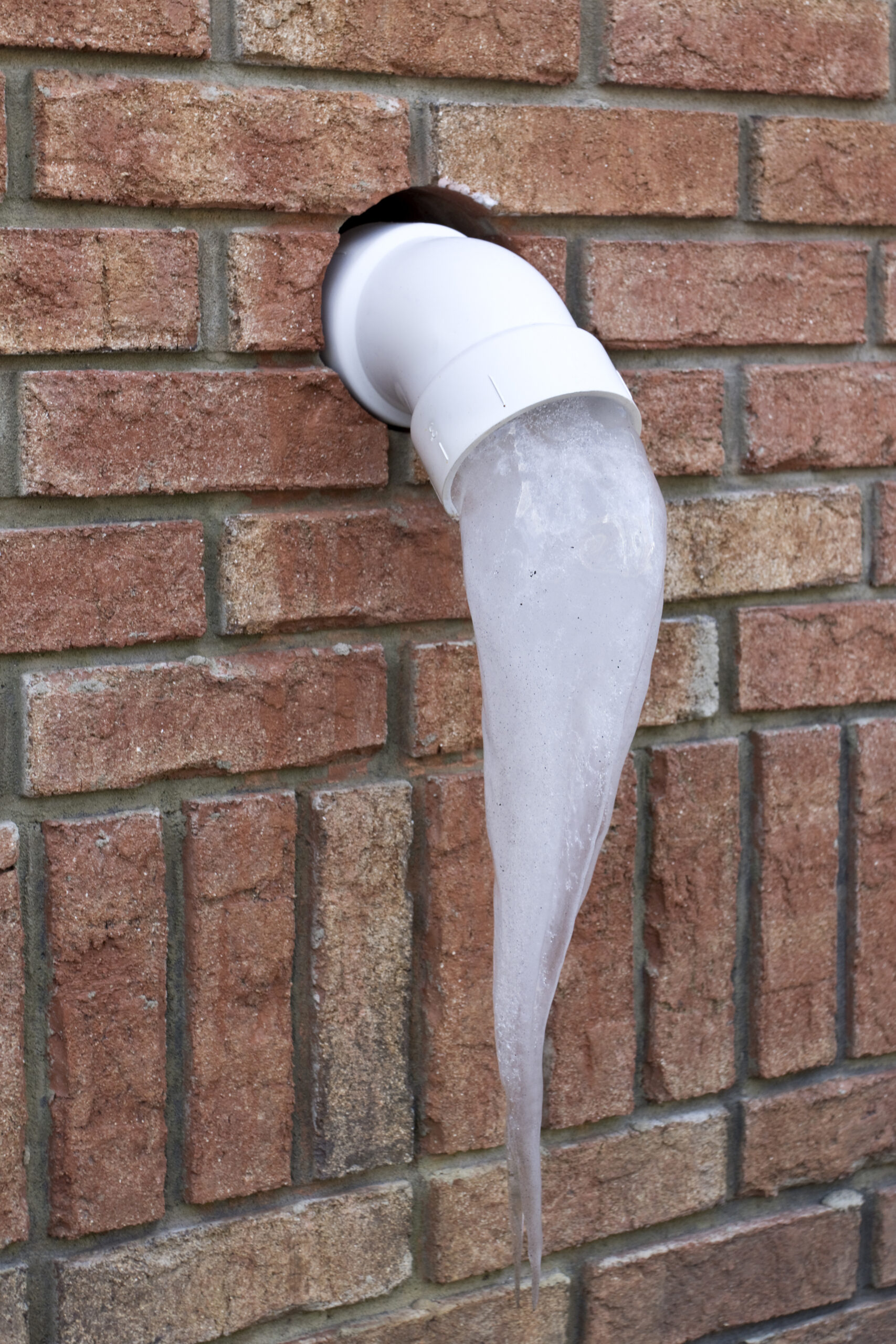
Frozen water icicle protruding from a white pipe on a brick wall, illustrating the risk of pipe freezing during winter months.

Making a snowman, drinking hot cocoa, and cuddling up in front of a roaring fire are just a few things we look forward to in the winter months. However, winter also brings with it the icy chill that can cause pipes to freeze. This issue can result in water damage and costly repair bills. This doesn’t have to be the case, though. Find out why pipes freeze and what you can do to prevent this from happening in your home.

Why Pipes Freeze

When the temperatures dip below freezing, having too little insulation or not enough heat in your home can put you at risk for frozen pipes. When water freezes, it expands and can cause the pipe to burst. Burst pipes unleash a flood of water, and the damage can be a costly nightmare.

The good news is that this scenario can often be prevented by ensuring that your home stays warm and that plumbing is protected. Areas of the home that are the most vulnerable to the cold are basements, attics, and crawl spaces. Outdoor faucets, as well as exposed pipes, are also at risk of freezing.

Possible Signs of Freezing

Sometimes you will be fortunate enough to spot clues that a pipe is at risk of bursting or cracking. Watching for signs of potential freezing can help identify problems before they become worse.

Here’s a list of warning signs that you should keep an eye out for:

  • Reduced water flow
  • No water
  • Whistling or gurgling noises
  • Frost on pipes
  • Visible cracks or leaks
  • Fluctuating water temperatures
  • An unexpected increase in water bills

Preventative Measures

Before winter officially hits, you should focus your efforts on creating a protective barrier around your pipes to keep them protected from the cold.

The tips outlined below will help prevent frozen pipes.

Insulate Vulnerable Areas

Crawl spaces, attics, and basements are three areas that are often overlooked when it comes to insulation. Make sure to have a good, thick layer of insulation in these areas to block out the cold air from creeping in. Wrap exposed pipes in insulating covers or with heat tape.

Seal Cracks and Crevices

Hunt down sneaky drafts and seal them up. Tiny cracks can be a major source of drafts. They occur around window and door frames, as well as around window air conditioners and around your foundation. One way to stop this is by sealing cracks and crevices with silicone caulk and weather stripping.

Don’t Forget the Garage

If your garage is attached to your home, ensure it is well-insulated. Consider insulating garage doors and any pipes that exist in the garage.

Set the Thermostat

Before you leave the house, set your thermostat to a temperature that is warm enough to keep away the icy cold air. The U.S. Department of Energy suggests keeping your thermostat at 68 degrees or higher when you’re home and 55 to 60 degrees when you leave. Don’t go too low, as its not worth the risk of developing freezing pipes to save a few dollars on your energy bill.

Open Cabinet Doors

Opening cabinet doors under the sinks in the kitchen and bathroom can promote better air circulation and keep the pipes warm. The heat from nearby living spaces will circulate in and around the pipes to chase away drafts and cold air.

Smart Home Devices

Invest in smart home technology that allows you to monitor and control your home’s temperature remotely. Bluetooth apps can help you stay on top of your home situation.

Ask a Neighbor for Help

If you have a close friend or neighbor that you trust, ask them to check on your home while you’re gone for extended periods of time. Flushing the toilets, running water down the sinks, and running the bathtub faucets for a few minutes now and again will keep things flowing to prevent ice buildup in the pipes.

Winterize Your Outdoor Faucets

Before winter arrives, make sure to turn off the water to your outdoor faucets and disconnect garden hoses. You can also get faucet covers for your outdoor spigots that will retain the heat from the pipes to keep them warm.

Drip Faucets

A dripping faucet is normally not something you want because of water waste, but in this case, it may help keep your pipes from freezing. One drop at a time is all you need to keep the water in the pipes moving. When water is moving, it is less likely to freeze.

What to Do If Your Pipes Freeze

If you missed the opportunity to prepare and woke up to discover your pipes froze during the night, stay calm. There are things you can do to try to correct the situation. First, locate your main water shut-off valve and turn the water off so there isn’t any new water moving into the pipes or creating any kind of water pressure inside of your plumbing system.

Next, try to slowly warm the area where the pipes are frozen. You can use a small portable heater a good distance from the pipes, a heating pad, a hair dryer, or towels warmed in the dryer for a few minutes to gradually thaw the pipes. The goal is to create a slow thaw rather than adding too much heat at one time.

Once the pipes have thawed, you can safely turn the water back on. If you notice any leaks after the water is restored, call a plumber for necessary plumbing inspections and repairs.

It is beneficial to keep extra insulation on hand for quick fixes. If you haven’t wrapped your pipes, before the next freeze is the perfect time to take action.

Wrap Up

Every precaution you take, from wrapping pipes in insulation to disconnecting outdoor faucets, contributes to fortifying your plumbing system. Keeping your home warm and protected from the cold goes a long way toward preventing plumbing emergencies like frozen pipes and water damage from burst pipes.

If you need plumbing repair or would like more tips to keep you comfortable and safe this winter, contact us at Hunt’s Services. If you reside in the Tacoma or Puget Sound areas, we are your go-to for all things plumbing. Our skilled plumbers can thaw frozen pipes, repair leaks, and clean your sewer drains. We would be happy to help you determine what kind of preventive action is necessary to protect your pipes for the upcoming cold weather season.

Besides plumbing, we also offer heating, cooling, and electrical services. If you need a ceiling fan installed or your furnace repaired, give us a call. We have a team of technicians who are ready to solve any heating or cooling problems you may have.

Together, we can turn your home into a cozy haven, ensuring that every part of it is comfortable and functional. Whether it’s a chilly winter night or a scorching summer day, our dedicated team is here to make your living space the ideal retreat. Contact us today to schedule an inspection or a repair.

Why Is My Water Pressure Low?

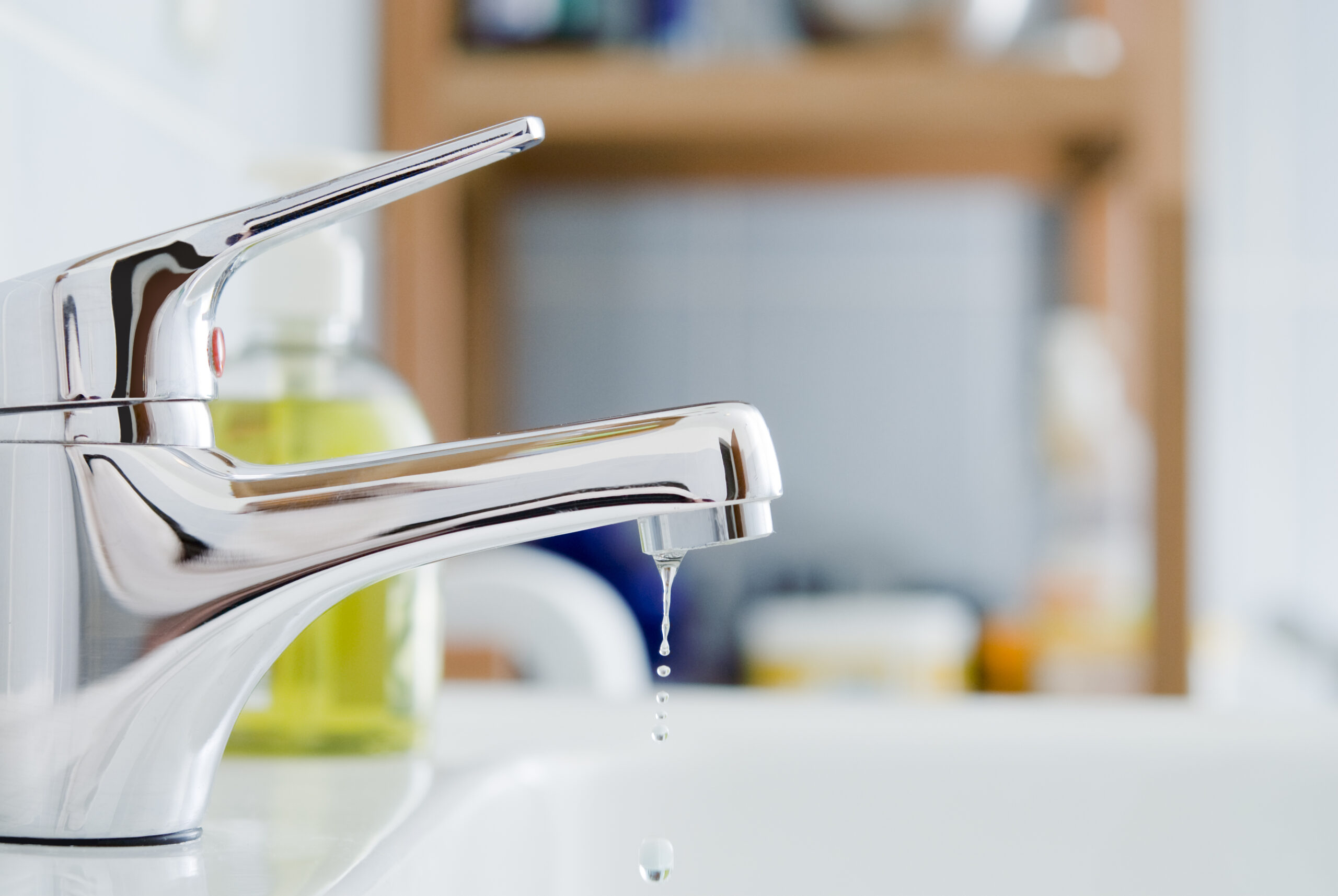
Faucet with drips of water, highlighting potential plumbing issues, relevant to home maintenance and comfort services in Tacoma, WA.

Have you recently turned on your faucet only to discover a trickle of water coming from the spigot? Does your water come out of your fixtures at a fraction of its former rate? If you’re having problems with your water pressure, then the cause of your issues could be one of many different possibilities.

Overly High Water Usage

If your low water pressure occurs when multiple water-using appliances are running or when multiple showers are in use, then its cause may simply be using too much water at once. You can easily fix this problem by spreading out your water usage over the course of the day.

Too Much Water Use on Shared Pipelines

Low water pressure can also be caused by too many people in your neighborhood using water at the same time on shared pipes. If you’re on a pipeline that goes into multiple houses, then you’ll need to try to plan around your neighbors’ water use. You should attempt to find times of the day when the water pressure is highest so you can use the water yourself at those times.

Main Shutoff Valve Is Not Open

A partially closed main shutoff valve can reduce the water pressure in your home. Your main shutoff valve will likely be located inside your home close to where the city water supply pipe comes into your house. Once you find the main shutoff valve, you should turn it counterclockwise until it’s all the way open. Hopefully, this will solve your low water pressure issue.

Water Meter Valve Isn’t Open

If the main shutoff valve isn’t the culprit, then the water meter valve might need to be opened — especially if your water company has recently done work on your premises. Your local water company probably owns this valve, so it may be difficult to access. In fact, you might have to call the water company to have them check the valve for you. Once they open your meter valve all the way, you may notice your water pressure improving.

Sediment Buildup in Fixtures

Shower heads, faucets and toilet-fill valves can all experience sediment buildups that can impede water flow. Sink aerators are fairly easy to remove, and you may be able to take the aerator off the fixture experiencing low water pressure and clean out the grit that’s clogging it. You may also be able to clean your shower head by gently rubbing its nozzles or soaking it in vinegar.

Broken Fixtures

If cleaning out the fixtures doesn’t fix your problem, then your fixtures might be broken altogether. Faucets and shower heads aren’t particularly expensive, so you can easily replace them with modern, fully functional fixtures. If you don’t feel comfortable replacing the fixtures yourself, then you should hire a professional plumber to do the work for you.

Broken Pressure Regulator

As its name implies, the pressure regulator controls the water pressure in your plumbing system. As pressure regulators age, they might cause your water flow to increase or decrease more than is beneficial. If your pressure regulator is no longer capable of keeping your water flowing at the right pressure rate, then you’ll need to have it replaced.

Clogged Pipes

Low pressure can also be caused by blockages in your pipes restricting water flow. Dirt, food fragments, oil and other pollutants can build up over time, reducing the space in your pipes where water flows. If you have a significant buildup of debris in your lines, you’ll likely need to have a plumber take care of this problem for you.

Leaky Pipes

Leaking pipes can reduce your home’s water flow and cause damage to your property. Wet spots, puddles, mold and sagging walls are all signs that you might be dealing with a leak on your premises. Whether your pipes have a single large leak or multiple smaller ones, you’ll need to hire a competent plumber to repair your pipes before you get sufficient water pressure again.

Corroded Pipes

If oxidation and the passage of time have left their marks on the inside of your pipes, then you might be experiencing less water flow than you’d like. Older pipes made of galvanized steel are especially prone to corrosion, but even the sturdiest pipes can corrode over time. In all likelihood, you’ll need a plumber to evaluate and then replace your corroded pipes in order to avoid leaks and even lower water pressure.

Branch Lines Are Too Small

Low water pressure can also be caused by the smaller pipelines that branch off from your main lines not being large enough to support current water demand. This possibility is particularly likely to be the culprit if you’ve recently added water-using appliances to your home. A skilled plumber will be able to evaluate your pipes and give you larger branch lines that are capable of keeping up with your water use.

Problems With Your Water Supplier

Sometimes, low water pressure can be caused by problems from outside of your property. If your entire neighborhood is experiencing water problems, then your local water supplier might be having issues. You should contact your local water supplier and ask them for clarity regarding your community’s low water pressure problems and solutions.

Local Regulations Have Changed

Another potential source of trouble outside of your property that can cause low water pressure is local bureaucracy. If the powers that be in your city have changed water regulations, then you might be stuck with low water pressure. One possible solution is to have a plumber install a water pressure booster system on your premises that will increase your water pressure without damaging your pipes.

Broken Water Main

Water main breaks are especially common in the winter when temperatures get below freezing. Broken water mains usually result in reduced water pressure for entire neighborhoods. Since your local municipality will have to fix the break, you can call them for more information about the repair time frame.

The City Is Flushing Fire Hydrants

You could also be experiencing temporary low water pressure due to your city flushing its fire hydrants. If city workers are cleaning out fire hydrants near your home, then they’re likely releasing hundreds of gallons per minute. Your low water pressure should resolve itself within a few minutes of the fire hydrants being turned off if this is the cause of your water pressure issues.

HVAC, Plumbing and Electrical Services in Tacoma

At Hunt’s Services, we have the tools and the skills to provide high-quality HVAC, plumbing and electrical services to the people of Tacoma, WA. If you’re having problems with low water pressure, you can trust us to get to the bottom of your issue.

You can also count on us to help you with your garbage disposal, sump pump, gas lines and water filtration issues. Our HVAC services include heating and cooling repair, installation and maintenance; whole-home filtration system installation; and duct-cleaning services. We’re also capable of installing electrical panels, lighting and EV charging stations. Contact us today if you need the help of our skilled technicians.

7 Spring Cleaning Plumbing Tips For Your Home

Happy Spring Cleaning!

The birds are singing, the leaves are appearing on trees, and it’s a time when many people are thinking about spring cleaning. If you’re opening up your windows for some fresh springtime air and cleaning up your home for the spring, don’t forget your plumbing!

Just like other parts of your home, your plumbing needs to be cleaned too! When you clean up your plumbing, you’ll save money and enjoy worry-free, problem-free water for this season and many more to come.

Here are some tips to help you know what to clean when it comes to your home’s plumbing:

Toilet Bowl Cleaning Tips

Clean out the bowl as you normally would, and also clean out the inside of the tank. Avoid using harsh chemicals. It doesn’t hurt to give your toilet a plunge or consider pouring a small bucket of water into the bowl from about waist level to “power flush” your toilet. Remind your family not to put trash in the toilet: never flush paper towels, tissue, diapers, or tampons. These things do not break up correctly and can clog your pipes. Additionally, use the minimum amount of toilet paper required to clean up after you are done.

If your toilet is leaking because of worn-out parts or the need for adjustments to your valves, floats, or gasket, give Hunt’s Services a call to make sure your toilets are in good working order. We will replace the parts and make adjustments so that you aren’t wasting water or end up with water damage to your house.

Bathroom Sink Overflow

Ensure that your sink’s overflow holes are clear. Overflow holes are used in case the sink starts to overfill, which may not seem like a big problem–until it is. Fill your sink to test the overflow holes and clear any overflow holes that are clogged. Drain pipes can also get clogged over time and require a good cleaning or flush to remove the blockage. Check your stopper to see if it is the cause of the blockage by removing and examining it from your sink.

Check below your sink to see if there are any leaks either from the sink or from the drain pipes. If you have a leak that you can’t fix yourself or a clog that won’t go away, give us a call so we can insure that leaks and clogs don’t cause you headaches any longer.

Bathtub Drains

To keep things flowing smoothly through the drain of your bathtub, each month you should feed it baking soda—one cup’s worth, with a cup of vinegar to chase it. Plug up the drain and allow the chemical reaction to occur. Wait for a little while, and then pour boiling water down the drain. This method clears out soap scum buildup and accumulated hair that gets caught in the pipes. Avoid slow bathtub drains by using a drain straining device to collect hair that would normally clog the pipes. This inexpensive device, when cleaned regularly, will prevent a lot of problems.

Perhaps even more so than a bathroom sink, your bathtub can get clogged with hair. As a part of your plumbing Spring Cleaning, remove the stopper from your tub. Most stoppers are removed by unscrewing the stopper from the drain hole. Get a piece of stiff wire, make a hook at the end, and fish out the gunk and hair that are usually just below the drain.

Kitchen Sink Clogs

Your kitchen sink drain takes in a lot of debris, including grease and fat, which can clog the drain and slow drainage. Pour boiling water down your kitchen sink drain to proactively clear the build-up. Consider using a drain straining device here too.

Garbage Disposal

Don’t use your hands to clean your garbage disposal. You can actually use lemon rinds or dish soap to do it! Lemon juice can help loosen and clean any build-up in your disposal and drain. Squeeze some fresh lemon juice in your disposal and let it sit for a while to do its work. Afterward, place small chunks of lemon with the rind and run your garbage disposal which helps clean the blades. And when you use your garbage disposal, avoid pouring grease or fat into it because that can clog up the machine and your pipes, especially when the grease or fat cools off.

Dishwasher

Your dishwasher works hard to remove the debris from your dishes and utensils to keep them clean and sanitary. Consequently, the leftover food particles can build up and clog your dishwasher drain. It is a good idea to remove the cover from your drain at the bottom of your dishwasher and check for and remove any debris that is stuck in your drain.

Also check your dishwasher for leaks. Leaks can occur in any of your water and drain connections in your dishwasher. If you have an air gap that empties into your kitchen drain or sink, take the cap off and clean any debris that has accumulated from your dishwasher.

Water Heater

Take a look at your water heater. Is it producing enough hot water for you? Are there leaks or visible cracks? Be proactive; don’t wait for your water heater to break before you do something about it.

When was the last time you had your water heater flushed? We generally recommend flushing your water heater so it is free of debris and sediment at least once a year. Springtime is a good time to get your water heater ready for the upcoming year. Flushing your water heater will increase the life span of your water heater and reduce your energy bills.

Summary

Spring is here and for many people that means it’s time to do a big spring cleaning. When you do, don’t forget your pipes because they are crucial to helping you keep your family comfortable and clean and quenched all year long!

4 of the Most Common Plumbing Myths

Myths are a common thing in life, as we hear things daily that are treated as common knowledge but aren’t necessarily true. This applies to household plumbing, as there are probably a number of things that your friends or family have told you that are doing you more harm than good. These are some of the most common plumbing myths that we hear while plumbing in King and Pierce Counties.

1) Drainage Problems Are Easy to Spot

While some drain problems are easy to notice, such as your sink not draining or your toilet not flushing, others are a little more difficult. Every time a food particle goes down your drain, there is a chance that it will get stopped somewhere along the way. It is very likely that your sewer line has vulnerable areas where particles and grease will stop, slowly forming a clog.

These areas won’t cause a backup immediately, but will slowly grow over time. Eventually, this leads to a clogged drain that will force you to call an emergency plumber in Pierce County. You can prevent this, however, by scheduling regular maintenance on your drainage system. This maintenance schedule ensures that clogs are removed before they have a chance to leak back into your house.

2) Sewer Line Replacements Require a Trench to be Dug in the Yard

When you find out that you have a leak in your sewer line, you probably envision your yard being full of sewage and your Pierce County plumber having to excavate your property to fix the problem. While this is certainly possible, the more plausible scenario is that we will come in and complete a trenchless sewer replacement.

In many cases, we can simply install a new liner inside of your existing pipe or use a process called pipe bursting to instantaneously replace the existing line. All of this is done without digging up your yard, saving you a headache once the job has been completed.

3) Low Water Pressure is No Big Deal

Many households suffer from water pressure problems and have no idea why this is happening. For the most part, homeowners learn to deal with their low water pressure, not knowing that the problem can easily be fixed. If you have low water pressure in your home, it could be a sign that a major problem is present. In some cases, it is something simple, like your valves, aren’t opening all the way or your shower head is old and full of mineral deposits. In other situations, however, you could have a water leak somewhere on your property.

If your water pressure has suddenly dropped, you might want to give us a call to have a look at your pipes. Having one of our technicians come by to troubleshoot could save you a great deal of money should you have a broken pipe.

4) Clogs Don’t Require an Experienced Plumber

Crafty marketing has made many consumers believe that putting chemical drain cleaners into the pipes is all that is needed to remove a blockage. The truth is that these chemical cleaners corrode the pipes, leading to much larger problems in the future. If you have a small clog, try removing it with a solution of vinegar, baking soda, and boiling water. If you have a larger clog, your best bet is to call a certified plumber to have it removed the right way.

Of course, not all plumbers in King and Pierce Counties are the same. At Hunt’s Services, all of our technicians have years of experience in this industry and have access to the newest technologies on the market. This allows us to deal with your plumbing problem quickly and efficiently, while protecting your pipes in the process. Give us a call at 253-533-7500 to book an appointment today.