A Simple Guide to Changing Your HVAC Filter

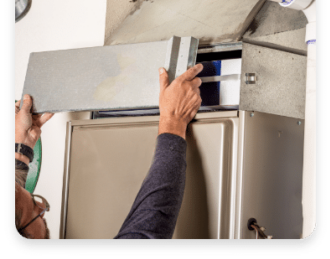
Man replacing HVAC air filter in a residential setting, emphasizing the importance of regular maintenance for indoor air quality.

Maintaining optimal indoor air quality and ensuring your HVAC system runs efficiently starts with regularly replacing your air filter. This quick and easy DIY guide will walk you through the process step-by-step.

Step 1: Locate Your Filter

The first step is finding your HVAC filter. It’s typically located in one of two places on your property:

Return Air Duct: Often found near the ceiling or floor in a hallway.
HVAC Unit: Usually behind a panel on your furnace or air handler.

Step 2: Power Down Your System

Before you start changing the filter, turn off your HVAC system to prevent dust and debris from spreading throughout your home.

Step 3: Remove the Old Filter

Carefully remove the old filter, paying attention to the airflow direction indicated by an arrow on the filter frame.

Step 4: Install the New Filter

Insert the new filter, ensuring the airflow arrow points in the correct direction for optimal performance. A snug fit is ideal.

Step 5: Restore Power and Enjoy Clean Air

Turn your HVAC system back on and breathe in the cleaner, fresher air!

How Often Should You Change Your Filter?

Most homeowners should replace their HVAC filter every 1-3 months. This timeframe can be influenced by factors like pets, allergies, and how frequently you use your system.

Need Expert Help?

If you have any questions about filter replacement or require assistance with any other HVAC concern, don’t hesitate to contact the experienced HVAC professionals at Hunt’s Services. We’re always happy to help! Call us at 253-533-7500 or visit our website to learn more about our comprehensive HVAC services

Shop Replacement Filters on Our Website!

We understand the convenience of online shopping. Skip the trip to the hardware store and find the perfect HVAC filter for your home directly on our website! Visit our Filter Shop today

Extend Your HVAC System’s Lifespan with Regular Maintenance

By following these simple steps and replacing your air filter regularly, you can significantly improve your indoor air quality, breathe easier, and extend the life of your HVAC system

Tips For the Maintenance and Troubleshooting of Air Conditioning Systems

Technician performing HVAC maintenance by adjusting a heating unit, highlighting the importance of regular service for energy efficiency and comfort.

About 90% of homes in the United States have air conditioning. After all, as summer temperatures soar, a well-functioning air conditioning system is essential for comfort and health. You can do your part by maintaining your unit, minimizing the problems you’ll encounter on the year’s hottest days.

Imagine thinking you’re returning home to a cool, refreshing oasis, only to find your AC blowing warm air or, worse, not working at all. The discomfort can be unbearable, and malfunctioning systems can even lead to health issues like respiratory problems due to poor air quality.

Regular maintenance is the key to avoiding these scenarios and ensuring your AC runs efficiently. By taking simple, proactive steps, you can not only enhance the performance and longevity of your system but also save on energy bills and costly AC repairs.

Completing some easy maintenance tasks and learning a few troubleshooting tips will keep your AC in top shape. Here’s a look at how you can create a cool, comfortable, and healthy indoor environment all summer long.

We should also mention that it is important to have the proper air conditioning installed for your home or business. The SEER rating of an AC unit will help determine the energy efficiency of your unit, while the BTU and tonnage of the system determine the cooling capacity for the amount of square feet coverage. Schedule a meeting with one of Hunt’s Services Comfort Consultants to accurately evaluate your needs and assist with choosing the best AC system for you.

Simple Air Conditioning Maintenance Tasks to Keep Your Unit Running

The goal is to ensure your air conditioner fires right up the first time you use it in the summer and keeps your house cool for the next few months. Completing a few simple maintenance tasks will keep your AC in top condition and reduce the problems you’ll encounter.

A technician can also help with this maintenance, offer guidance, and handle the repair whenever something is amiss. Regular maintenance jobs include:

Cleaning Filters

Filters trap dust and debris, ensuring clean air circulation. There are different types of filters: disposable, reusable, and HEPA.

You should replace disposable filters every 1-3 months. Reusable filters need to be washed and dried thoroughly before reinstallation. HEPA filters, which do an excellent job of trapping fine particles, require regular checking and replacement per the manufacturer’s instructions.

To access and clean filters, locate the filter compartment, usually behind the return air grille or inside the AC unit. Carefully remove the filter, and if it’s reusable, wash it with water and mild soap, then let it dry completely before reinserting.

Checking Refrigerant Levels

Refrigerant is vital for the cooling process because it absorbs heat and releases it outside. Low refrigerant levels can reduce your cooling efficiency. To check for leaks, inspect the refrigerant lines for any oily residue or hissing sounds. Since handling refrigerants requires professional expertise, it’s best to call a technician if you suspect a leak.

Inspecting and Cleaning Coils

Coils help heat exchange, so keeping them clean is essential for efficiency. This job requires a soft brush and a commercial coil cleaner.

First, turn off the AC. Next, you’ll use your brush to remove any dirt and debris present from the coils. Then, apply the coil cleaner as directed and rinse with water if necessary. Ensure the coils are dry before restarting the unit.

Checking and Clearing Condensate Drains

The condensate drain removes moisture from the AC. Some signs of a blocked drain you’ll want to be aware of include water pooling around the unit or musty odors.

To clear blockages, use a wet/dry vacuum to suction out the clog from the drain line. Regularly checking and clearing this drain prevents water damage and mold growth.

Performing these maintenance jobs can keep your AC system running smoothly and efficiently. Of course, you can also sign up for a maintenance package to ensure you never miss a step or forget the necessary upkeep.

Troubleshooting Common Air Conditioning Issues

Numerous symptoms could arise that point you toward the cause of your AC problem. Before you panic, try figuring out the cause of the issue because it could be something straightforward.

If your AC isn’t cooling as it should, start by looking for dirty filters and blocked vents. It can also help to double-check your thermostat settings to confirm the system is set to cool.

Other causes of this problem could be low refrigerant levels or dirty coils, which you’ll want a technician to check to ensure the job is completed correctly.

Unusual sounds coming from your AC can signal various issues. For instance, rattling likely means the unit has loose parts or debris, which you can check yourself.

However, if you hear a buzzing sound, you could have a loose component or electrical issue requiring professional assistance. The same goes for clicking noises, which indicate a failing thermostat, or grinding sounds, which could mean you have a failing motor or bearing.

Troubleshooting your air conditioning issues can save you money by avoiding unnecessary technician visits and ensuring you complete repairs at optimal times. Keep an eye on your unit to guarantee you’re on top of potential problems as soon as they start.

Tips for Ensuring Optimal AC Performance

You must maintain your air conditioning system to ensure it runs efficiently. Air conditioners are responsible for about 6% of all electricity consumption in the country, so finding ways to reduce energy use is vital.

Regular professional maintenance is the most straightforward way to maximize efficiency because your technician can proactively make repairs while ensuring all the necessary maintenance is complete.

While professional maintenance will cost a bit upfront, the benefits far outweigh this expense. Regular maintenance prevents costly repairs, improves energy efficiency, and extends the life of your unit, potentially saving you hundreds or even thousands of dollars in the long run.

Call Hunt’s Services to learn more about maintaining your air conditioning unit and ensuring it’s ready for summer. We’re available to prolong your AC unit’s life at 253-533-7500 in Seattle, Tacoma, Puyallup, Gig Harbor, Olympia, and dozens of other communities in Western Washington.

The Importance of Regular HVAC Maintenance

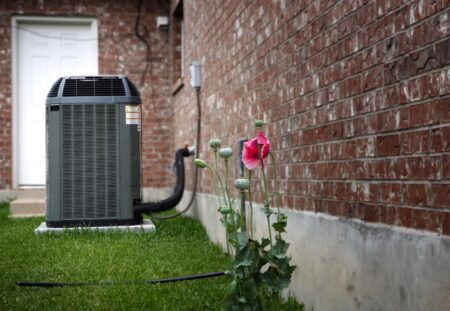
HVAC unit installed outside a brick home with green grass and blooming flowers, emphasizing the importance of HVAC maintenance for homeowners.

As a homeowner, you have many responsibilities on your plate. One of the most important is looking after your HVAC system. It’s necessary to schedule professional maintenance to protect your costly investment.

Your Warranty Requires It

Many homeowners aren’t aware of the fact that most HVAC manufacturers have annual maintenance requirements in their warranty contracts. If you read the contract for your heating or cooling system closely, you’ll likely discover that you’re required to get professional maintenance service performed on the unit at least once per year to keep your warranty active. Ensuring that you have warranty coverage on your heating or cooling system is a great reason to invest in regular maintenance by a licensed HVAC technician.

Ensure Optimal Operating Efficiency

There’s no denying the fact that paying to heat and cool your home can get costly for any homeowner. To ensure that you’re not throwing money down the drain, it’s in your best interest to get professional service on your equipment. A licensed HVAC technician will be able to lubricate moving parts, repair minor issues, and ensure that your HVAC system is operating as efficiently as possible. The more efficiently your system runs, the less money you have to spend on utility costs each month.

Extend the Lifespan of Your HVAC System

Purchasing a new heating or cooling system can be a costly investment. As with most people, you want to get the most life out of your investment. One of the best ways to do this is to have professional service performed on your HVAC system. When all of your system’s internal components are getting the care they need, they’re much less likely to prematurely wear out. Regular maintenance can help to extend the overall life of your system by years.

Be Alerted of Problems

Another hidden advantage of having a professional HVAC technician perform maintenance on your system is that they can let you know if there are any problems. From identifying dirty ductwork to underperforming parts, we can let you know where your HVAC system is falling short and how to fix the problem. This way, you can have it remedied before you need to rely on your HVAC system on a consistent basis throughout the long winter and summer months.

Learn About New Upgrades

One of the lesser-known advantages of regular HVAC maintenance is that you can learn about new HVAC upgrades that can make your life easier. From smart thermostats to higher-quality air filters, your HVAC technician can listen to your needs and provide you with information about new products. Unless you do your own research, it’s unlikely that you’re going to know about many of these available upgrades.

Understand How Much Longer Your System is Likely to Last

No one wants to be blindsided by a broken heating or cooling system that is beyond repair. These systems are expensive. When you get regular maintenance performed by a licensed HVAC technician, they can provide you with an estimated remaining lifespan for your system.

This will give you the ability to prepare your budget and look into necessary financing programs. This can help you pick the best funding route for your new system. Even better, you can schedule when your system gets upgraded so that it can be at a convenient time.

Reduce Your Risk of Unexpected Breakdowns

It can seem like there’s nothing worse than having a broken HVAC system when you need it the most. Fortunately, regular maintenance is a great way to help reduce your overall risk of experiencing an unexpected system breakdown. Most issues that your system may have can be identified when they’re small during regular maintenance so that you can get them fixed before they become a significant problem.

Peace of Mind

Apart from extending the lifespan of your system and ensuring optimal energy efficiency, regular HVAC maintenance is always a great way to provide yourself with peace of mind. When you have a service technician look over your system, you feel more confident about its operation. You don’t have to worry if it’s going to break down today or tomorrow.

Optimal Safety

Furnaces that burn heating oil, propane, and natural gas can let off harmful fumes. This includes carbon monoxide. When your heating system is operating correctly, these fumes are vented to the outside of your home. This keeps your home and family safe from harm. Having regular maintenance performed on your HVAC system helps to ensure that your furnace is properly vented so that no harmful fumes are making their way to the interior air that your family breathes.

Enhanced Indoor Air Quality

Part of our HVAC maintenance service is changing out the air filter on your system. This helps to enhance your system’s ability to remove harmful airborne pollutants. This, in turn, improves the quality of air inside your home. Even more so, your HVAC tech will take the time to clean your system’s internal components. This way, they don’t contribute to poor indoor air quality.

When to Schedule HVAC Professional Maintenance?

Now that you’re convinced that you need to get regular maintenance performed on your HVAC system, it’s time to discover just when to call in a professional technician. Your home heating system should be serviced by an HVAC technician in the early fall months. Your cooling system should be serviced in the early spring months. By scheduling service early, you can ensure that your HVAC system is ready to run efficiently.

Homeowner HVAC Maintenance

Apart from scheduling professional service for both your heating and cooling systems, it’s important to do your own maintenance to keep these systems operating at their peak efficiency level. One of the most important things you can do is to check and replace the air filter on your HVAC regularly.

Most homeowners will find that they need to replace their air filters every two to three months. However, many factors play a role in how quickly a filter becomes dirty, such as the number of pets and people regularly in your home. Do yourself a favor and check the state of your air filter each month. Make sure you have at least one spare filter on hand so that you can replace a dirty one when necessary.

It’s also a good idea to start off the summer and fall months by turning on your HVAC system and checking the airflow at each supply vent. You want to ensure that each vent is free from restrictions and delivers warm or cool air, depending on the season.

Call for Professional Maintenance Today

Hunt’s Services offers professional HVAC maintenance services for the entire Tacoma, WA area. Our helpful technicians can also assist with all of your cooling, heating, duct cleaning, and indoor air quality, including working with ductless mini-splits. Our plumbing services include water filtration, water heaters, sewers, and drains. You can also rely on us for electrical services, including installing generators and EV charging stations. Call our office today to schedule your next maintenance appointment.

12 Questions to Ask to Choose the Right Size Gas Furnace

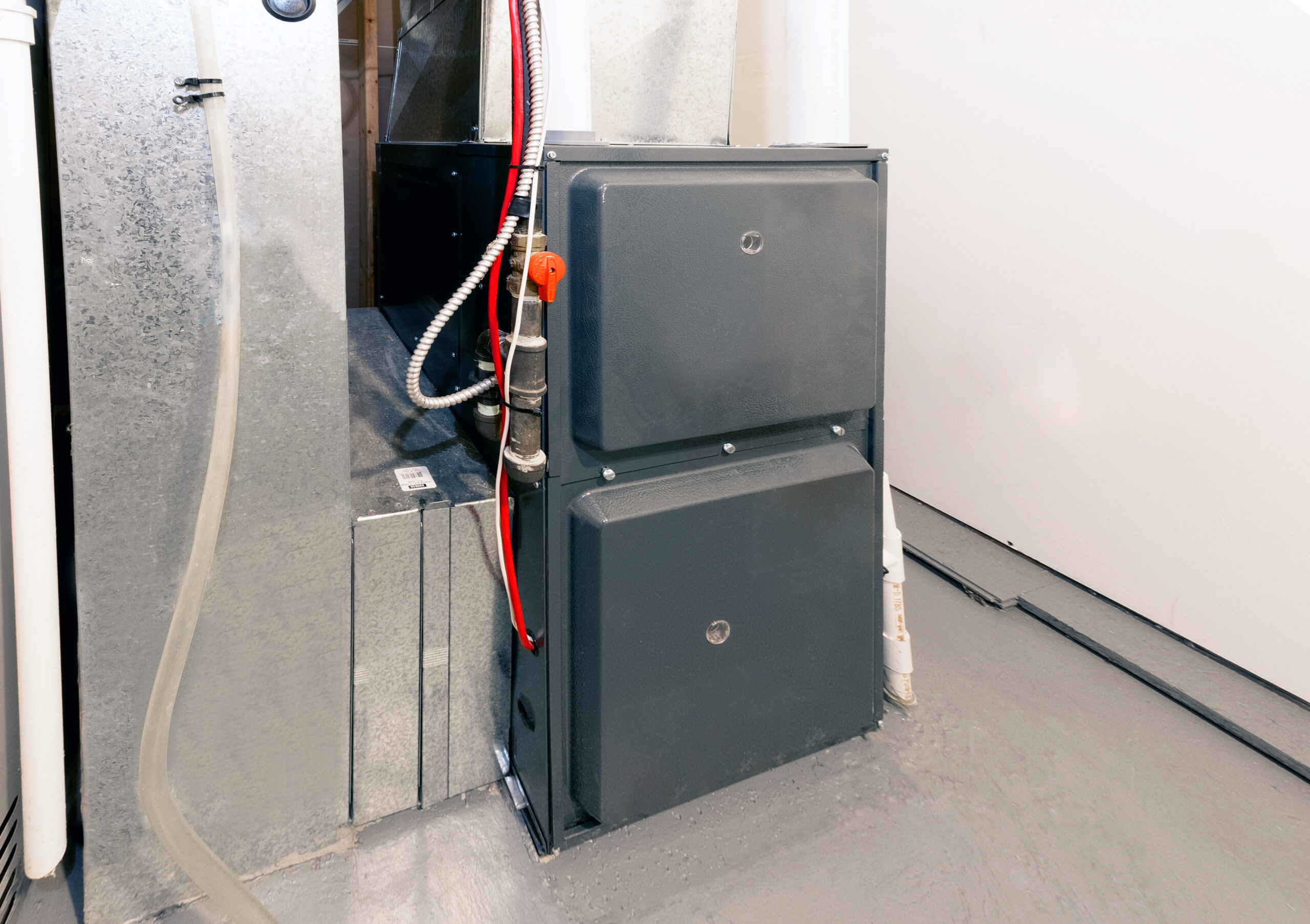
Gas furnace installation in a residential setting, highlighting energy-efficient heating solutions for winter comfort.

Choosing the right size gas furnace for your home matters for several reasons. It not only affects the unit’s ability to heat your home but also your heating bills. The harder it is for the system to heat your home, the higher your energy costs. Fortunately, the easiest way to avoid this problem is to buy the right gas furnace. Let’s explore 12 questions to ask yourself (or a professional) to ensure you choose the right size.

1. How Well Is My Home Insulated?

Your home’s level of insulation greatly matters when selecting the right size gas furnace. Homes with good insulation retain heat more effectively, minimizing stress on the heating system. This is particularly true in homes with well-insulated floors, ceilings and walls. Basing your decision, in part, on your home’s insulation helps ensure you don’t choose a unit that’s too big or too small. Homes with poor insulation will, of course, need a higher-capacity furnace.

2. How Does the Local Climate Affect My Home’s Heating?

Choosing the right size gas furnace for a Washington house requires careful consideration of local climatic trends. This is because temperature is a major factor in heating needs, particularly in colder areas. Furnaces with higher heating capacities work best in regions with extremely cold winters, like Washington. Only homes in the milder coastal parts of the state benefit from furnaces with lower heating capacities.

3. How Many Windows and Doors Does the Home Have?

Choosing the correct size gas furnace also requires careful consideration of the number of windows and doors in the house. One way heat can enter or leave a house is via its doors and windows. The possibility of heat exchange increases as the number of doors and windows in a house increases. To find out how much heat the furnace needs to compensate for any heat losses, it’s important to accurately measure these openings. To maximize energy efficiency and guarantee constant comfort levels, you’ll need to match the furnace with the home’s thermal characteristics.

4. What AFUE Rating Is Best for My Home?

Look at the annual fuel utilization efficiency (AFUE) rating of a gas furnace to choose the appropriate size. An efficient furnace will have a high AFUE because of how well it turns fuel into heat. The higher the rating, the greater the efficiency. Average AFUEs typically vary from 80% to 95% in Washington, a state that places a premium on energy efficiency. Furnaces with higher AFUE ratings improve energy efficiency, save money on utility bills and accommodate the state’s energy-conscious climate.

5. What Is the Local Energy Cost?

Before you buy a gas furnace, it’s important to calculate the cost of energy in your area. Homeowners in areas where energy prices are higher save money on utility bills by upgrading to furnaces that use less energy. Where energy prices are lower, finding the sweet spot between initial investment and return on investment may become more important. In Washington, the average homeowner spends about $80 on natural gas each month.

6. Does the Gas System Need to Provide Cooling?

You can get warmth and cooling from certain gas heating systems, such as gas furnaces with air conditioners. Optimal indoor temperature management is a year-round benefit of these systems. Any homeowner looking to purchase a gas furnace should take their heating and cooling demands into account when making their selection. This heating and cooling system is multipurpose and all-inclusive. However, it’s important to have the right size to get the best performance, energy economy and comfort. A larger gas furnace is not always required to provide cooling; in fact, it is fairly uncommon for smaller gas furnaces to work in tandem with larger HVAC systems. The heating and cooling demands are what ultimately dictate the size of the HVAC system the most.

7. Do I Have Any Remodeling Plans?

Before buying a gas furnace, it’s important to think about any renovations that may be in the works. A home’s heating needs will alter because of changes to the floor plan, square footage or insulation. By planning ahead for these adjustments, you can select a furnace that keeps up with your home’s changing heating demands. This foresight avoids problems like a furnace that isn’t big enough to handle the extra heating needs after renovations. As a result, homeowners save money on furnace replacements and upgrades.

8. How Many Floors Does the Home Have?

Smaller furnaces, usually ranging from 40,000 to 80,000 BTUs, are more suitable for houses with one story. Houses with two stories may need a somewhat bigger furnace—anything from 60,000 to 100,000 BTUs. Furnaces with a capacity of 80,000 to 120,000 BTUs are commonly necessary for three-story residences to distribute heat efficiently throughout all three stories. Properly sizing the furnace to the home’s vertical structure ensures that every level remains consistently heated, leading to maximum performance.

9. How Many People Live in the Home?

Heating a house according to its unique requirements is possible by adjusting the furnace size to the number of residents. Having more people living in the house might mean you need a larger gas furnace to ensure everyone’s comfort.

10. What Condition Is the Ductwork In?

Ducts that are well-kept and airtight increase the heating system’s effectiveness. This guarantees that the furnace efficiently distributes heat. Inefficient or leaking ductwork allows heat to escape, which in turn reduces the efficiency of the furnace. As a result, homes with leaky ductwork need higher-capacity gas furnaces to keep up with heating demands. This is why it’s helpful to invest in ductwork repairs. You can improve your home’s heating efficiency, eliminating the need for a higher-capacity furnace.

11. What Is the Ceiling Height Throughout the Home?

Heating a larger volume of air in a home with higher ceilings uses more energy. This is because greater heat dispersion affects the total heating demand in taller rooms. To get the most out of your gas furnace, it’s crucial to think about this while determining its size. If you have tall ceilings, you may need a higher capacity furnace.

12. What Is the Home’s Square Footage?

Choosing the right size gas furnace requires careful consideration of the home’s square footage. A home’s heating requirements are proportional to its square footage. Inefficiency and discomfort will result from a furnace that is too small for the home’s heating needs. Alternatively, if the home is too small for the furnace, it will waste energy by cycling on and off too often. This causes extreme wear and tear and frequent breakdowns, along with higher energy costs.

Homes with around 1,000 square feet need a gas furnace with a capacity of approximately 40,000 to 60,000 BTUs (British Thermal Units). 2,000-square-foot homes require a capacity of around 60,000 to 80,000 BTUs. Larger homes with 3,500 square feet need even higher capacities, ranging from 80,000 to 100,000 BTUs or more.

Hunt’s Services is here to help you select the right size furnace for your home. We also offer a variety of other services to improve indoor comfort. Some of our most popular services include water filtration installation, bathroom plumbing, sewer and drain cleaning, excavation, electrical panel installations and so many more. Contact us now to learn more about choosing the best gas furnace for your Tacoma, WA, home.

Picking the Most Energy-Efficient Heating Option for Your Home

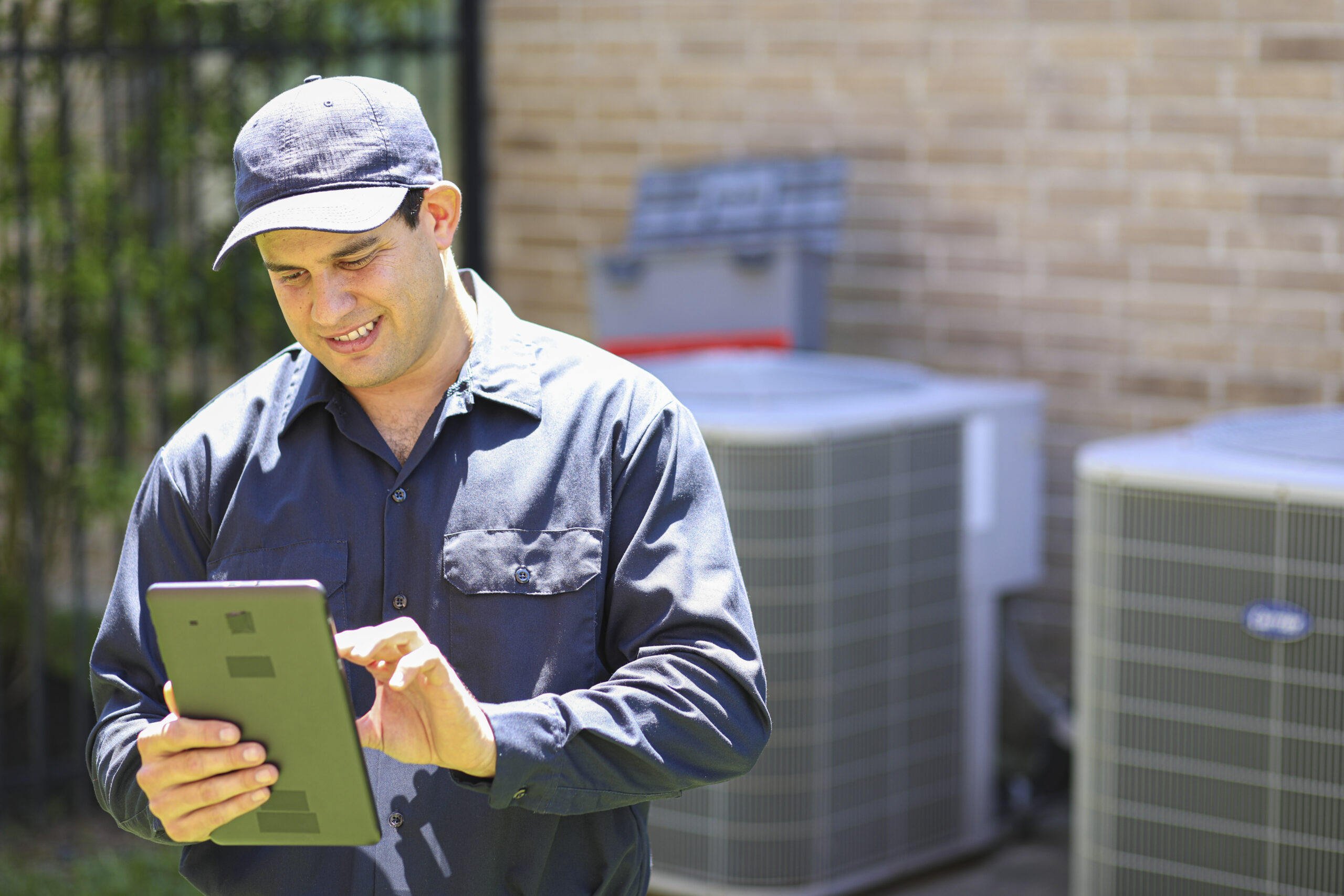
HVAC technician using a tablet outdoors near air conditioning units, emphasizing home maintenance and service efficiency.

Home heating systems use more energy than other systems in your home. These systems make up about 29% of monthly utility bills. You can reduce your home heating costs by picking an energy-efficient heating system combined with proper system maintenance and necessary efficiency home upgrades. Energy-efficient systems coupled with air sealing, necessary insulation, and the right thermostat settings will save money and reduce your carbon footprint. Consider any of these six options if you’re looking for an energy-efficient home heating option.

Active Solar Heating

An active solar heater heats liquid or air using solar energy. The heated fluid transfers the heat into your home, where it heats the space or is stored for later use. Liquid-based solar heaters use water or antifreeze to absorb solar heat. The liquid then moves through a collector with the aid of a circulating pump to heat the home. The liquid goes to a heat exchanger, where it instantly heats the home or to a storage tank for later use.

Air room heaters, on the other hand, use an airtight metal frame with a dark metal plate. The plate absorbs solar energy to heat the air inside the collector. The heat then circulates in the room via a blower or electric fan. You may need an auxiliary system if the active solar heater does not provide sufficient heating in your home.

Furnaces and Boilers

Most homeowners use furnaces and boilers to heat their spaces. Boilers heat water, which flows through pipes as steam or hot water to heat spaces. On the other hand, furniture heat air that flows through ducts to heat a home. Modern furnaces and boilers have a high-efficiency rating, making them cost-effective ways of heating a home.

Furnace and boiler manufacturers use annual fuel utilization efficiency (AFUE) ratings to show how efficient their systems are. The AFUE rating shows how effectively an appliance converts fuel to heat. If an appliance has an AFUE rating of 90%, it means that 90% of the energy from the fuel converts to heat while 10% escapes. Aim for systems with a high AFUE rating, such as all-electric furnaces that convert 100% of their energy to heat.

You can find gas and electric furnaces. Which type to choose may depend on your home and your region. Many modern electric furnaces have advanced technology that enhances their energy efficiency. Gas furnaces can be quite energy efficient, but they come with risks as they rely on burning fossil fuels. Natural gas or carbon monoxide buildup can happen with systems that are not properly installed or maintained. Plus, not all areas have municipal gas lines readily available, so gas furnaces are not always an option.

For boilers, opt for radiant heating. Radiant heating is more efficient than baseboard and forced-air heating as it eliminates duct losses. The radiant heating system is ideal for people with allergies as it does not distribute allergens like systems that use air fans. A homeowner can use radiant air floors, electric radiant floors, hot water radiant floors, or radiant panels placed on walls. Air radiant heating is less energy efficient as air holds less heat. Hydronic radiant heating, where hot water from the boiler passes through pipes to heat a floor, is more effective.

Modern Wood and Pellet Heating

Modern wood and pellet-burning appliances offer cleaner, more efficient, and powerful home heating systems. These are ideal for heating average-sized homes. Pellet heating systems burn pellets that are about an inch long or smaller.

To ensure the efficiency of wood and pellet heating systems, you need to pick the right size. An oversized system will lead to heat loss as homeowners tend to let the fire slowly smolder to reduce overheating. If the system is undersized, it will not adequately heat your space. Pick a stove rate of 42,000 British Thermal Units (BTU) to heat a 1,300-square-foot home and a 60,000 BTU stove for a 2,000-square-foot home.

Pick a wood-burning appliance certified by the United States Environmental Protection Agency (EPA). The downside with wood and pellet heating systems is that they produce smoke. As such, some municipalities might restrict their use.

Heat Pumps

Instead of burning fossil fuels, heat pumps draw heat from outdoor air, the ground, or water to heat a home. The key to their efficiency is heat transfer vs heat generation. Heat pumps often use the same air ducts as central AC and heaters. During the summer, the heat pump reverses the refrigerant and acts as an air conditioner to make the home comfortable. The air-to-air heat pumps are not ideal for hot water generation.

Air-to-water heat pumps contain several units connected by pipes with refrigerant. The outdoor unit absorbs heat from the outside air. It transfers the heat to the indoor unit, which transmits the heat to a radiator or floor radiant heating system. You can also use the air-to-water heat pumps as a hot water heater.

Further, you can pick ground-source or solar-assisted heat pumps. Ground-source heat pumps draw heat from the ground using sensors. The sensors sit deep in the ground, where the temperatures are relatively higher. However, ground heat pumps require extensive installation work. With a solar-assisted heat pump, you can combine solar panels with heat pumps to heat a home adequately and produce hot water.

Mini-Split Systems

Sometimes, a central, ducted heating system is not practical. This may be true in older homes that don’t have an existing central climate control system. It can also be true for home additions and converted basements, garages, or attics.

A mini-split typically consists of one outdoor unit and one or more indoor air handlers. These are connected through small tubes or pipes that carry wires or refrigerant. The small air handlers are often mounted on a wall and have their own thermostat and sensors. With these systems, you can precisely control the temperature of each room or area of the house. You can enjoy significant energy savings because you can choose to keep areas you don’t use cooler.

Electric Resistance Baseboard or Wall Heating

Electric resistance heaters convert 100% of the incoming energy to heat. If you live in an area with few heating days or need a system to supplement the central heating system, these heaters will be cost-effective. You can also use electric resistance for a home addition where extending the existing central heating system is not practical.

Talk to Heating Experts

Sometimes, a combination of heating sources will ensure adequate heating in your home while ensuring energy efficiency and cost-effectiveness. Hunt’s Services in Tacoma, WA, offers installation, repair, and maintenance of heat pumps, furnaces, and air conditioning systems. We can also help with duct cleaning and indoor air quality solutions. You can turn to us for your plumbing and sewer needs, too.

Installing a new energy-efficient heating system can be an overwhelming experience. Our experts at Hunt’s Services will guide you through Tacoma, WA’s heat pump and furnace types and installation processes. If you need a system that circulates healthy air in your home while reducing utility bills and your carbon footprint, contact Hunt’s Services today.

Benefits of Installing Mini Splits vs. Central HVAC Systems in Homes

Family enjoying comfort of ductless mini split HVAC system in cozy living room, showcasing energy-efficient cooling solution.

Ductless mini split systems have several advantages over traditional central HVAC systems. Both ductless mini split and central, ducted HVAC systems can use a heat pump. Most mini splits use a heat pump, while many central systems use a separate air conditioner and furnace. Either way, mini split equipment typically costs more than replacing conventional HVAC appliances. Keep reading to learn why you might prefer to spend the extra money on a mini split system.

Compact Size

Mini split systems have an elegant, simple design. There is one small outdoor unit and an air handler in each room you want to cool.

The individual air handlers of a mini split system are much smaller than an HVAC air handler that manages the airflow for an entire house. So, there’s no need for a separate utility closet. In addition, the outdoor unit of a mini split is often smaller than for a traditional central system. This gives you greater flexibility in placement.

Easy Installation

The most straightforward installation process requires a technician to install an air handler in each room you want to cool. Typically, the handler is placed high on an interior wall of a room, away from direct sunlight or other heat sources.

After that, the installer drills a hole in an external wall and connects the outdoor compressor/condenser unit to an air handler via electrical and refrigerant lines. If you’re only conditioning the air in one room, that’s all you need to do. Occupants receive a remote-control device to turn the system on and off and set the desired temperature.

A ductless mini split does not require ductwork but can take advantage of previously installed ducts. Your installer can configure the system to use ducts where they exist and individual air handlers in areas without ducts.

Flexible Zoning Options

Homeowners can purchase a system with one air handler, two air handlers, or one that accommodates up to eight air handlers. You can buy additional equipment to heat or cool a home with more than eight rooms. Each room has an air handler with a thermostat and remote control. If you enjoy a cold room at night while other residents like things a bit warmer, that’s not a problem with a mini split. Every room can have a different temperature setting if that’s what you want.

This zoning is also a great benefit if you have a room with a fireplace. When the fire’s warming one room, it won’t affect the temperature settings in the other rooms. Many central HVAC systems have only one thermostat; if that’s close to a heat source, the rest of the home remains cold.

Easy Maintenance

Because of its simplistic design, only a few moving parts need lubricating. Keep the leaves and twigs away from the outside unit, erect a shelter over the top, or place it in a protected area to keep the rare Birmingham snowfall off the top. If that’s not possible, come outside and brush it off during the snowstorm before there is too much accumulation. Replace or clean the air handler filters in each room every one to three months, as needed.

Lower Repair and Maintenance Costs

Even though the mini split is a relatively uncomplicated system, you should have it serviced at least once a year. You want to ensure all the connections are tight and the refrigerant line is intact. The technician will change the outside filter and clean and lubricate the internal components. One expense you don’t have to worry about is duct cleaning and repair.

Energy Efficiency

A mini-split system most often uses a heat pump. Heat pumps do not have separate elements to heat and cool the air. But they don’t actually create heat like a furnace or boiler. Instead, they draw existing heat from the air and transfer it. These closed-loop systems recirculate existing air in the home after conditioning.

In the summer, the cold refrigerant absorbs the heat in the room air, and the cooled air re-enters the room. Meanwhile, the refrigerant flows to the outside unit, transforms into a hot vapor, and releases the stored heat. After that, the refrigerant travels back to the air handler, and the cycle begins again. In the winter, the process reverses at the flip of a switch, and the system extracts radiant heat from the outside air and transfers it to a room’s cooler air.

Further, many mini split configurations allow you to choose the temperature of individual rooms or areas. Rooms you don’t use often can be set to less comfortable temperatures to save energy. As mentioned before, you don’t waste energy heating a room with a fireplace. You may also have areas of the home with more shade than others. You don’t have to use as much energy to heat these areas as you do for areas exposed to full sun.

Flexible Options

If you currently have ducts installed in your home, it’s not likely that you’ll choose to convert to a ductless system. However, as previously mentioned, heat pumps can use the existing ductwork for wires and tubes. Ductless systems have an advantage because no heat escapes while transported through the ductwork, improving the system’s efficiency.

So, what type of environment is best suited for a heat pump? A mini split is a great choice to regulate the temperature in a room added to a home. All you’ll need to do is to purchase a single-zone mini split with one air handler. Maybe you converted a patio into an indoor sunroom or an unheated garage into a bedroom or den. In situations like these, a ductless mini split is a reasonable choice.

Older homes may not have ducts. Perhaps the previous owners had window air conditioners and used electric floor-board heating when the days were cold enough to warrant it. Now, as a new owner, you want to upgrade your HVAC system without spending the time and money to install ductwork. A mini split system might be the perfect choice for you.

Of course, if you are building a new home, you can choose a mini split or a central HVAC system. Do you want the simplicity and multiple zoning opportunities that a mini spit provides, or do you want to install ductwork and a central HVAC system that provides the same cooling and heating throughout the home? There is no right or wrong answer. Choose what’s best for you and the other occupants of the house.

Your Premier Heating and Cooling Choice in Tacoma

At Hunt’s Services, we provide HVAC, plumbing, and electrical services in Tacoma, WA and surrounding areas. We sell a variety of HVAC and indoor air quality products, and we provide duct cleaning and sealing services. We also sell and install generators, dehumidifiers, and water heaters. Contact Hunt’s Services today for all your heating and cooling installation, repair, and maintenance needs in Tacoma and the surrounding areas!

Mini-Split Systems: Discover Their Many Benefits

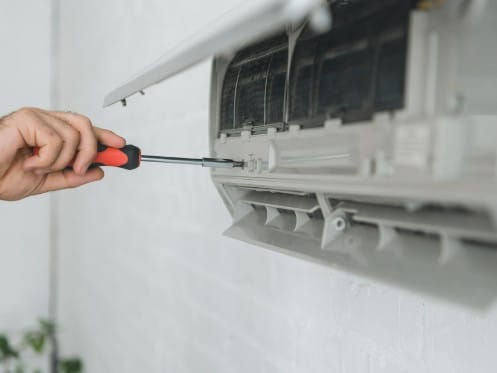
Male worker using a screwdriver to repair a ductless mini-split air conditioning system.

There are lots of good reasons to install a ductless mini-split system in your Tacoma, WA, home. Whether you have a central HVAC system or lack the ducting for supporting one, this is an upgrade that’s guaranteed to enhance the safety, comfort, and health of your living environment. Read on to learn all about the tremendous benefits that ductless mini-split systems have to offer and to discover what it’s like to have one installed.

Ductless Mini-Split Systems Are at the Cutting-Edge of Efficiency

Ductless mini-split systems offer some of the highest levels of efficiency available. When properly sized and right for the local climate, some ductless mini-split heat pumps boast efficiency levels as high as 300%. Whether using a ductless mini-split for heating or cooling, it will regulate your indoor temperature using heat transfer.

In summer, ductless mini-split heat pumps and ductless mini-split air conditioners are functionally identical. They move indoor heat outside. In winter, mini-split heat pumps source warmth from outdoors and bring it in. Apart from the electricity that drives their basic operations, no other fuel is needed. Not only does this provide significant energy savings for consumers, but it also means that the risk of carbon monoxide poisoning and exposure to other harmful exhaust gases is eliminated. If you’re looking for a way to get rid of your gas-fired furnace, this could be it.

Many homes in Western Washington aren’t built for temperature extremes. A lot of older properties lack HVAC air ducts and have inefficient baseboard heaters or wall heaters in place of central furnaces. Many of these same buildings lack fixed cooling solutions altogether. Among the most cost-effective and environmentally friendly ways to add permanent and efficient heating and cooling to these homes is by installing ductless mini-splits.

Another efficiency-related benefit of ductless mini-splits is their complete lack of ducting. Conditioned air is distributed right from its point of production. With heating, no heat is lost due to HVAC air duct leaks or poor ductwork insulation. With cooling, cold air delivery is faster and conditioned air is a lot less likely to wind up behind drywall or in other remote areas.

Zoning Enhances Resident Comfort

Ductless mini-split systems have outdoor condenser units. These units contain their compressors. Condenser units are where heat from the inside of the home is released outside. At the interior of the building, each room or zone is given its own air handling unit. This contains the evaporator coil where the heat is absorbed from warm air by refrigerant. Air handlers also distribute conditioned air after it’s been filtered.

In ductless mini-split AC and heat pump systems, every room or zone that has an air handler also has its own thermostat. This allows building residents to selectively heat or cool their immediate areas. Zoned configurations are much more accommodating than central HVAC which heats and cools homes uniformly. Zoning is also a lot more efficient. With zoning, you can sidestep the extra and unnecessary costs of regulating indoor temperatures in areas of the building that are empty.

Minimize Your Ongoing Heating and Cooling System Maintenance

One large part of ongoing HVAC maintenance is ductwork maintenance. HVAC air ducts require replacement every 10 to 15 years. This means that to get the most from a new air conditioner or heater, you’ll likely have to pay for new ductwork as well. HVAC air ducts also require annual inspections and professional cleaning every three to five years. For homeowners, the costs of these services come in addition to annual furnace and air conditioner tune-up services, monthly filter changes, and ongoing repairs.

Ductless mini-split air conditioners require annual tune-up service. Ductless mini-split heat pumps should be tuned up twice annually if used for both heating and cooling. However, neither system is connected to ducting. As such, there’s nothing else to maintain. Best of all, rather than paying for new filters every month, you can simply clean the removable filters in each indoor air handler according to manufacturer instructions. These components should be checked and washed every two to four weeks and replaced annually.

You Have Multiple Options to Choose From

In addition to choosing between ductless mini-split air conditioners and ductless mini-split heat pumps, you also have multiple options in both brands and models. Depending upon the amount of area you want to service, you can additionally choose between one and eight separate indoor air handlers. Indoor air handlers come in several different sizes and colors, and they can be installed on the ceiling or in another out-of-the-way location.

Some Tacoma residents use ductless mini-split systems for whole-house heating and cooling. Others use them to address remote areas that don’t get enough service from their central furnaces or air conditioners. For instance, you might install a ductless mini-split for a connected in-law unit, your garage, a finished basement, or an attic bedroom. Ductless mini-split systems are highly flexible and adaptable.

Stay on Par With Increasingly Stringent Efficiency Regulations

Changes are coming to Western Washington and the rest of the West Coast. New efficiency-related regulations are making it increasingly harder for property owners to find a diverse selection of gas-powered appliances. By upgrading to a ductless mini-split heat pump, you can stay ahead of the pack. With one of these systems installed, you’ll have the benefit of heating and cooling that comes with zero carbon output. There’s no easier way to drastically reduce the collective carbon footprint of your entire household without sacrificing comfort in the process.

Get Rid of Your Inefficient Window AC

If you’re using a window air conditioner for cooling, now is the time to get rid of it. Having a window AC creates a visible and highly accessible point of ingress for would-be intruders. Before leaving on vacation, these units have to be taken down before properties are completely secured. They also block window views and use excessive amounts of energy to do a modest amount of work.

A window air conditioner can only cool just one to two small-sized spaces at a time. A mini-split can provide enough heating and cooling comfort for everyone in the home. Window air conditioners are noisy and they leave openings for small pests to slip in. Compare these things to the whisper-quiet and highly efficient operation of a ductless mini-split and there’s absolutely no contest.

Enhance the Marketability and Value of Your Tacoma Rental

If you have a rental property in Tacoma that lacks a fixed cooling solution, having a ductless mini-split put in could be key to attracting higher quality and motivated prospects. With the LINK Light Rail expansion, more Seattle professionals are seeking affordable rentals in Pierce County and beyond. You can maximize the profit potential of your investment by catering to the higher expectations of these incoming tenants.

What It’s Like to Have a Ductless Mini-Split System Installed

Ductless mini-split installation is quick, easy, and hassle-free. This is especially true when you compare it to the process of having your home retrofitted with ductwork for central HVAC.

The outside condenser/compressor units for these systems are small in size and typically positioned on small concrete pads in back or side yards. This unit is then connected to each of the home’s indoor air handlers via refrigerant tubing and electrical wires. In each room that has its own air handling unit, only a single hole must be drilled to accommodate the necessary connection. With most systems, each of these holes is just three inches in diameter or less.

We’re proud to serve residents of Tacoma, WA, and the greater Pierce County area. We work hard to offer the latest and most innovative options in home heating, cooling, and indoor air quality control. We provide HVAC, electrical, plumbing, and sewer and drain services. We alsoinstall ductless mini-splits! To schedule an appointment, get in touch with Hunt’s Services today.

Flooded Basements & Sump Pumps

Do you have a flooded basement or lower level in your home? You might have a faulty sump pump or no sump pump at all! The sump pump below your home serves an important role in keeping your home dry. As water moves in around the foundation or rises up from the water table, the sump pump Tacoma plumber drainage system collects the water, diverts it to the sump pump, and then it is pumped away from your home. It keeps your property dry, but homeowners need to maintain it for continued protection.

Sump pumps sit in a basin where water is allowed to collect. A series of buried pipes below the home collect water from around the foundation and deposit it in this basin. When the water reaches a certain level, the pump turns on and removes it from the basin. If the pump stops working or if your sump pump is overwhelmed, the water will overflow the basin and eventually flood into the basement or crawlspace.

Severe storms can overwhelm any sump pump if the water is flowing in at a faster rate than the pump can remove it. Homeowners can expect that a hurricane or other flooding may simply overwhelm the pump. While people cannot prevent storms or floods, other problems can be prevented with some simple maintenance.

Here are a few simple sump pump maintenance tips:

  • Keep it Upright – A sump pump that has fallen over will not work. Pumps vibrate while they work, and this can cause them to tip enough to jam the float arm. The pump position should be checked regularly.
  • Check the Operation – The worst time to discover a pump has died is when a storm is raging outside. When the weather is nice and dry, homeowners should pour a bucket of water into the catch basin to ensure that the pump is working properly. If it does not turn on and remove the water, call for service from Hunt’s Services.
  • Clear the Vent Hole – The discharge pipe should take water at least 20 feet away from the structure. However, the hole at the end can become clogged with debris. Check the outlet occasionally to ensure that it is still clean.
  • Loss of Power – The biggest failure of sump pumps is that they don’t work when the power goes out. Unfortunately, this is most likely to happen during a severe storm. Homeowners should invest in battery backups or systems that can run on a generator if the power goes out.

If you have any questions or concerns about a flooded basement or if a sump pump is an option you should look into, call Hunt’s Services today!

Click HERE to call or email to schedule an appointment.

New Incentives Make Heat Pumps More Affordable For Washington Residents

Updated: August 10, 2023

When the Inflation Reduction Act (IRA) was signed into law on August 16, 2022, it included the most ambitious climate action policies in American history.

The IRA aims to cut domestic greenhouse gas emissions in half by 2030 compared to 2005 levels, but significant changes to the way we live will become necessary.

Americans can help the country reach its goals by switching to electric energy whenever possible. Fossil fuels are responsible for about 73% of greenhouse gas emissions in the country, so limiting their use will be critical.

Using a heat pump to heat and cool your home is one way to do your part. These HVAC units use electricity and refrigerant to remove heat from the air and pump it inside or outside, depending on the season, limiting your need for a natural gas furnace.

The time to invest in a heat pump is now better than ever to reduce your carbon footprint, while at the same time lowering your energy costs. As this article points out, there are some significant discounts and rebates that are available making these energy-saving units more affordable than ever.

Here’s a look at some of these subsidies and incentives available to Washington state residents.

The Inflation Reduction Act

Reading through the Inflation Reduction Act, you’ll see that $369 billion is reserved for climate and energy programs. These programs aim to incentivize consumers to purchase electric vehicles, solar panels, energy-efficient windows and doors, high-efficiency air conditioners, and other appliances that don’t use fossil fuels.

With Washington state becoming more prone to extreme heat, installing a heat pump to keep your home cool in the summer is becoming ever more important for the comfort and health of you and your family. You can also use your heat pump for heating in the fall, spring, and winter. So it makes sense to take a look at what the IRA offers home owners to purchase and install a heat pump for both heating and cooling of your home.

First, the IRA offers rebates of up to $8,000 for Washington state families making 80% or less of the state’s median income that purchase a heat pump. Households making 80-150% of the median state income are eligible for a $4,000 rebate. These rebates reduce the upfront cost of purchasing a heat pump and are issued at the state level using IRA funds.

The Inflation Reduction Act also offers a nonbusiness energy property credit, a tax credit for 30% of a new heat pump’s value up to a cap of $2,000. As a result, you can receive up to $2,000 in tax credits just for installing a heat pump in your home.

These incentives cover any heat pump installation you complete after January 1, 2023, and you’ll have until the end of 2033 to complete the job.

With these rebates and tax credits, installing a heat pump makes more sense than ever especially since you’ll save on your monthly energy bills.

Working with Hunt’s Services to purchase and install your heat pump is a no brainer because we specialize in HVAC so we can offer you years of experience and certified technicians to complete your job. In fact to serve you better, we offer a free consult with one of Comfort Specialists to discuss and analyze what options are best for you before you decide.

Energy Smart Eastside

The federal rebate and tax incentives aren’t the only ways you can save on a Washington heat pump installation, as a local program offers residents of select King County cities an additional discount.

The Energy Smart Eastside program allows homeowners in Bellevue, Issaquah, Kirkland, Mercer Island, and Redmond to purchase a new heat pump at a discounted price through their group buy program.

To be eligible for this discount, you’ll have to attend a free educational workshop explaining heat pump technology, the money it can save you long-term, and the incentives you can receive. This workshop is only an hour long and virtual, so you don’t have to leave your home.

From there, you’ll sign up for a free site assessment from a certified HVAC installer like Hunt’s Services, select the heat pump option that’s best for your home, and sign a contract. Hunt’s Services can then install your heat pump, and you’ll get $500 off its purchase price.

Puget Sound Energy Rebates

Finally, Puget Sound Energy has a program where customers using a less efficient electric heating source can receive an $800 rebate if they switch to a ductless heat pump system. So, if you use an electric furnace, wall, or baseboard heaters and live in a single-family home, an incentive is available to you.

This incentive is part of PSE’s Efficiency Boost program, which aims to reduce consumption in the Puget Sound area. Other incentives are available when switching to a tankless water heater, upgrading to an Energy Star furnace, or installing a smart thermostat in your home.

Heat Pump Rebates in Washington

The cost of installing an energy efficient heat pump as your heating and cooling system has never been so affordable than now. These rebates and discounts aim to reduce the financial burden on families, making upgrades possible for more households.

Hunt’s Services offers heat pump installations for all of Pierce, King and Thurston Counties. Booking an appointment with our licensed, certified team puts you on the track to energy savings. Call Hunt’s Services at 253-533-7500 to learn more about these rebates and discounts and your eligibility.

4 Reasons to Switch to a Heat Pump for Heating and Cooling

As you know, there are a few different options for heating and cooling your home in Seattle, Tacoma area.

Of course, a gas furnace is the most common heating method in the area, as these devices are widely available, and the majority of homes in the region already have natural gas lines running to them. There’s nothing wrong with using a gas furnace because they’re abundant and convenient, but they’re far from the only game in town.

Cooling your home is a bit different because you’ll likely need an air conditioning unit. You can often use your existing ductwork with these systems, ensuring your home is cooled evenly and thoroughly on even the hottest days of the year.

Heat pumps are another option worth considering because they provide both heating and cooling for your home. These units have other benefits, too, that it’s a good idea to learn about before making the leap.

Ductless heat pumps are a cost-effective option that allows you to cool and heat your entire home or just certain rooms or zones without the use of ducts.

Here’s a look at four of the main advantages associated with installing a heat pump in your home in Seattle, Tacoma, Bellevue, Gig Harbor or elsewhere in the Puget Sound area.

1) Environmental Benefits
About 75% of American homes currently use natural gas, propane, oil, or wood for heating and central or window air conditioners for cooling. However, those heating methods create a significant amount of carbon dioxide and methane, and air conditioning produces greenhouse gases, all of which are harmful to the environment.

Switching to heat pumps reduces the emissions your home is creating. In fact, heating your home with a heat pump lowers your carbon footprint by between 46 and 54 percent. If the entire country did this, it would cut our carbon emissions by 142 million metric tons every year. That’s staggering and shows just how clean heat pumps are compared to gas furnaces.

So, switching to a heat pump allows you to do your part for the environment because it’s a cleaner form of energy, and you’ll also use less energy because these devices are more efficient than their counterparts. This efficiency will save you money, which is another great benefit you’ll experience when going in this direction.

2) Lower Costs
It’s all fine and dandy to do your part to help the environment. After all, we’re all in this together, and by taking action to help reduce the effects of climate change, you can rest easy knowing you’re part of the solution rather than the problem.

However, you’re still a human being with bills to pay, so the next benefit heat pumps provide might make it easier to invest in one of these units. The gist is that you’ll save money, even when taking the cost of a heat pump into account. Tacoma Public Utilities reports that a heat pump can reduce your electricity use for heating by 25-50%.

On average, running a heat pump instead of other heating and cooling sources will save families $557 per year. That number equals thousands of dollars over the unit’s lifetime, paying for the difference in cost between a heat pump and a furnace and then some.

It’s also worth noting that the entire country switching over to heat pumps would create 6.6 million jobs, which is another win for people all over Western Washington because of how it would benefit the economy. While that probably isn’t realistic right now, it’s a figure that adds credibility to the idea.

In short, heat pumps are sure to save you money and put more money in the pockets of people in your area, both of which are beneficial now and in the future.

3) No Combustion
Gas furnaces rely on internal combustion to produce heat. The idea is that natural gas combines with a spark, which generates heat inside the furnace’s burner. The heat this reaction creates then passes through the heat exchanger, making it even hotter before the air passes over and is warmed.

While this reaction is generally pretty safe, there’s always risk anytime you’re dealing with combustion inside an appliance in your home. Therefore, heat pumps are safer than furnaces because they rely on electrical wiring instead of internal combustion.

The fact that there’s no combustion also means less maintenance, which is sure to save you money annually. A heat pump generally requires a quick once-over every year, and you should probably take the filter out and clean it every few months. Other than that, you don’t have to worry much about maintenance.

If you have a gas furnace and air conditioner in Seattle, you’ll need to have each appliance serviced once per year. It’s probably wise to have the furnace looked at in the fall and the air conditioner in the spring to ensure they’re both ready to go when needed.

The lack of maintenance heat pumps require is yet another reason they’re a solid investment for Western Washington households.

4) All-in-One Solution
Finally, a heat pump is an all-in-one solution for your home’s heating and cooling needs. Once you have one installed, it acts as a heater in the winter and an air conditioner in the summer, so you only have to worry about one appliance.

Rather than replacing your furnace and air conditioning unit every 15 to 20 years, you can invest in a heat pump that should last you at least 15 years if you maintain it. The life expectancy alone is enough to save you some cash, and when you factor in the energy savings, installing a heat pump in Seattle becomes an extremely attractive proposition.

Get the Expert Assistance You Need
Purchasing a heat pump for your Tacoma home is a significant decision, and you won’t want to make it without first speaking with an expert. Fortunately, Hunt’s Services is available to answer your heat pump questions, and we can also handle your heat pump installation when the time comes.

Give Hunt’s Services a call at 253-533-7500 to discuss your heat pump needs today.